
The Most Important Positions in Football Ranked
April 2, 2026Last updated: · By Jake Turner
A football positions guide should answer one question first: which roles have the biggest effect on whether a team wins? In American football, the quarterback is involved in most offensive plays, and the players around him, including the linemen who protect him and the defenders who try to take him down, shape nearly every snap. This guide ranks the positions that matter most, explains the evidence behind each choice, and flags where the research runs out.
Key Takeaways
- A 2025 study of 42 NFL quarterbacks found that reaction time, visual spatial processing, and decision making predicted NFL performance beyond draft pick position at the NFL Combine.
- A 2018 review found that quarterbacks are disproportionately affected by shoulder injuries compared with professional athletes at other positions.
- A 2024 study of 553 NCAA Division I players, compared with 261 age-matched controls, examined muscle-to-bone ratio across positions from offensive linemen to kickers.
- A 1997 review in Sports Medicine reported that offensive and defensive linemen are generally larger, carry more body fat, and have greater absolute strength than players at other positions.
- The studies cited here measure specific traits rather than overall team value, so any full ranking of positions reflects informed judgment about on-field impact.
How Did We Rank the Football Positions?
We ranked positions by how directly they affect each play, how much they influence teammates, and how hard the role is to fill well. These criteria are a practical framework, not an official scale, because the NFL does not publish a ranking of positional importance. The research available covers specific traits such as cognition, injury patterns, and body composition, not overall team value.
Read the order below as a reasoned judgment supported by evidence where evidence exists. Where a claim has no study behind it, this guide says so.
Which Football Positions Are the Most Important?
The quarterback ranks first, followed by the left tackle, the edge pass rusher, and the cornerback. The next group includes wide receivers, centers, and defensive tackles, and special teams and skill positions round out the list.
- Quarterback: Reads the defense, adjusts the play, and makes the throw or handoff decision on most offensive snaps.
- Left tackle: Protects the blind side, which is the left side for a right-handed quarterback.
- Edge pass rusher: Pressures the quarterback from the outside, often as a designated pass rusher at right defensive end or right outside linebacker.
- Cornerback: Covers the opponent’s top receivers and limits passing options.
- Wide receiver: Runs precise routes, creates separation, and gains yardage after the catch.
- Center: Snaps the ball, reads the defensive front, and helps set protections for the offensive line.
- Defensive tackle: Holds the middle of the line against runs and collapses the pocket on passing downs.
| Position | Core responsibility | Reason it ranks here |
|---|---|---|
| Quarterback | Reads coverage and makes throw decisions | Involved in most offensive plays; cognitive traits linked to performance |
| Left tackle | Protects the quarterback’s blind side | Linemen are generally larger and stronger than other players |
| Edge pass rusher | Pressures the quarterback | Pressure forces hurried throws, sacks, and turnovers |
| Cornerback | Covers receivers in pass-heavy offenses | Limits the offense’s targets and changes game plans |
| Wide receiver | Creates separation and yards after the catch | Route running determines how quickly receivers get open |
| Center | Snaps the ball and sets protections | Starts every play and identifies defensive fronts |
| Defensive tackle | Controls the line against runs and passes | Occupies blockers and creates openings for teammates |
Why Do Quarterbacks Rank First?
Quarterbacks rank first because they are involved in most offensive plays, and their decisions shape what every other offensive player does. A quarterback reads the defense before the snap, adjusts the play, and chooses a target in a few seconds. Quarterbacks are also among the highest-paid players in the NFL, which reflects how much teams depend on them.
The mental side of the position is measurable. A 2025 study in Frontiers in Psychology, available through PubMed Central, examined 42 NFL quarterbacks and found that reaction time, visual spatial processing, and decision making improved prediction of NFL performance beyond draft pick position at the Combine. Arm strength is only part of what teams are evaluating.
How Do Quarterbacks Get Hurt Most Often?
Quarterbacks face a distinct injury pattern, and shoulders are a frequent concern. A 2018 review in Current Reviews in Musculoskeletal Medicine reported that quarterbacks are disproportionately affected by shoulder injuries compared with professional athletes at other positions. Most of their upper-extremity injuries came from direct contact rather than the throwing motion itself, which makes protection a central concern for keeping a quarterback healthy.
Why Is the Left Tackle So Important?
The left tackle is one of the most valuable blockers because he protects the quarterback’s blind side for most right-handed passers. Because the rusher often comes from that side, a skilled left tackle can hold off elite edge rushers without extra help. That protection gives the quarterback time to read the field and finish the play.
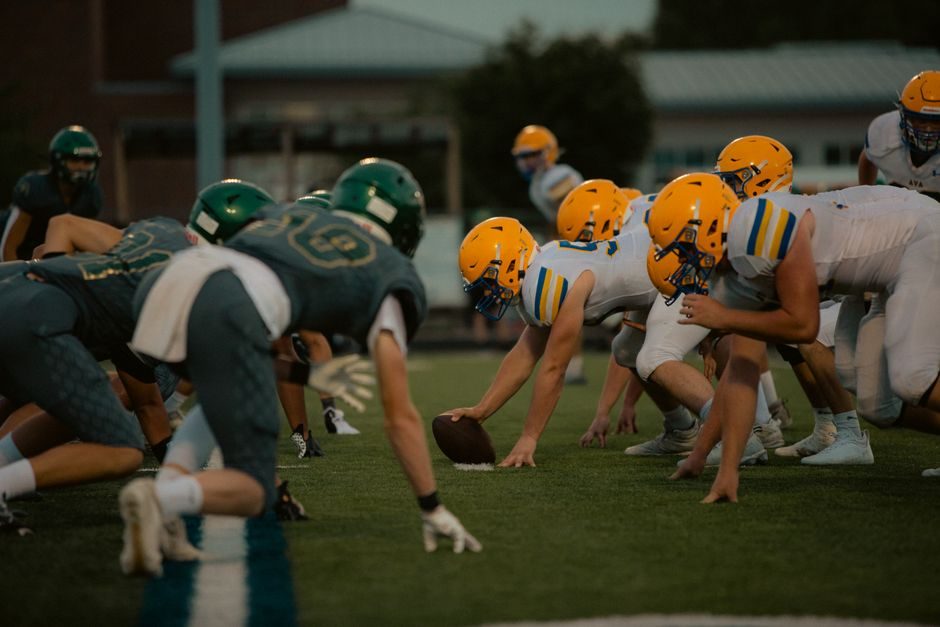
Offensive linemen face a physical profile that differs from most positions. A 1997 review in Sports Medicine reported that offensive and defensive linemen are generally larger, carry more body fat, and have greater absolute strength than players at other positions. Those are general findings, so individual players vary widely. For a breakdown of each blocker’s assignment, see our guide to lineman positions from left guard to right tackle.
Players such as Joe Thomas and Tyron Smith are often cited as left tackles who held the position at a high level for years. Teams value the role because a missed block on the quarterback’s blind side can end a drive quickly.
How Do Edge Rushers Affect the Passing Game?
Edge pass rushers affect the passing game by forcing quarterbacks to throw before they are ready. A designated pass rusher is a player whose main job is to get to the quarterback, often from the right defensive end or right outside linebacker spot. Consistent pressure disrupts timing and increases the chance of sacks, interceptions, and incomplete passes.
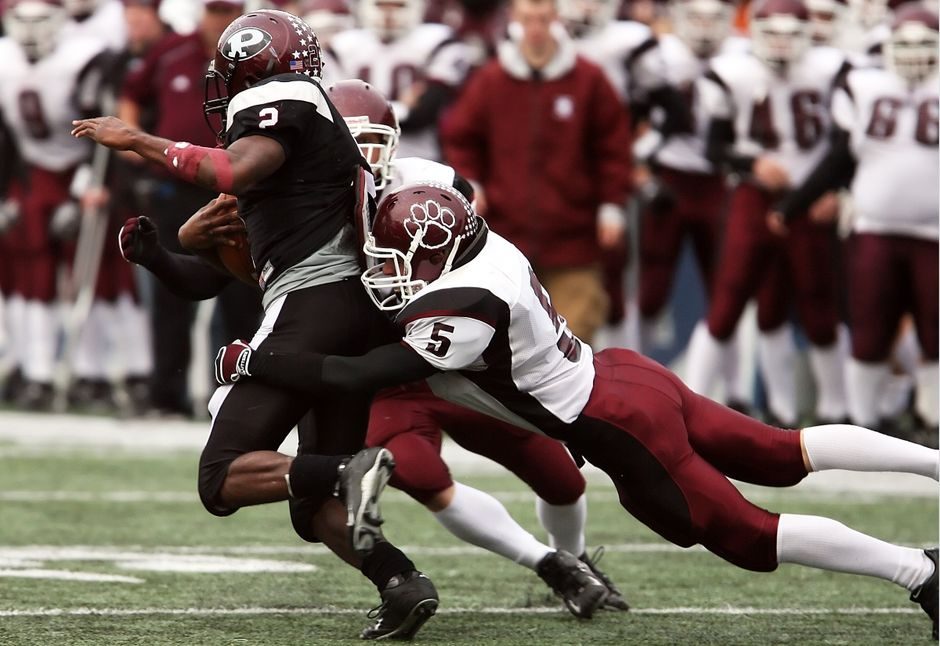
Elite pass rushers such as Robert Quinn and Jason Pierre-Paul are examples of players whose pressure changed how their defenses played. Teams often draft strong edge rushers early because the position can shift an entire defense, not just the stat sheet.
What Makes an Effective Pass Rush?
An effective pass rush combines speed, technique, and discipline. The most useful traits are easy to practice and easy to recognize on film.
- First-step quickness that gets you past the blocker before he sets his feet.
- Hand technique to strike and shed blocks while keeping your rush lane.
- Bend around the corner to stay low and close the distance to the quarterback.
- Contain discipline so you do not run past the play and open a lane for the quarterback to scramble.
Why Do Cornerbacks Matter in Pass-Heavy Offenses?
Cornerbacks matter because they cover the opponent’s receivers and limit where the quarterback can throw. In a pass-heavy league, a cornerback who can follow a top receiver forces the offense to change its plan or look elsewhere. That pressure changes the flow of the entire game.
On many rosters, cornerback contracts trail those of quarterbacks and top receivers, which can make the position a value investment for teams that need coverage. Cornerbacks who can handle elite receivers one on one give a defense flexibility when it calls its coverages.
What Is a Star Position in Modern Defense?
Modern defenses often use hybrid players who can cover slot receivers and also rush the passer. Many coaches describe this as a star role that blends skills from cornerback, linebacker, and safety. You can learn more about how the star position works in modern defense in our dedicated explainer.
How Do Wide Receivers Create Offense?
Wide receivers create offense by getting open, catching the ball, and gaining yards after the catch. Their route running determines how quickly they separate from defenders and give the quarterback a throwing window. Players such as Calvin Johnson and Antonio Brown are often cited for route-running excellence.
Route precision is a skill you can practice. Focus on sharp breaks at the right depth, controlled speed through cuts, and consistent footwork. If you are learning the standard routes, a printable football route tree for quick reference is a useful study tool.
Why Do the Center and Interior Line Matter?
The center snaps the ball, reads the defensive front, and helps set protections before every play. Because the center makes the first call of the play, errors there can disrupt the whole offense. For a deeper look at the role, see our guide to the center position and the snap.
Body composition is measured by position in research as well. A 2024 study in the Journal of Strength and Conditioning Research analyzed 553 NCAA Division I players by position, from offensive linemen to kickers, and compared them with 261 age-matched controls. The study describes differences in muscle-to-bone ratio by position rather than ranking how important each position is.
How Do Defensive Tackles Control the Line?
Defensive tackles control the middle of the line by occupying blockers and clogging running lanes. Their combination of strength, quickness, and technique helps them defend both the run and the pass. When they hold their gaps, linebackers get cleaner reads and the quarterback faces pressure up the middle.
Defensive tackles are often underrated in salary discussions, but their value shows up in run defense and in creating openings for other rushers. To see how the interior fits into the defensive front, read our overview of defensive line positions and techniques.
Are Running Backs and Tight Ends Still Essential?
Yes, running backs and tight ends remain important because they add balance and create mismatches, though their value depends on the offense they play in. Running backs drive the ground game, catch passes, and help block. Tight ends blend blocking with receiving and often line up as traditional tight ends, slot receivers, or even in the backfield.
- Running backs handle handoffs, add receiving depth, and protect the quarterback on blitzes.
- Tight ends give offenses a blocker who can also run routes and create matchup problems.
Elite performers such as Derrick Henry and Christian McCaffrey can change how a defense plays, and George Kittle and Travis Kelce show how a tight end can become a primary target in the passing game.
How Much Do Kickers, Punters, and Returners Affect a Game?
Special teams can decide close games because one kick or return can change field position or the final score. Kickers convert field goals, punters control where the opponent starts its drives, long snappers deliver accurate snaps, and return specialists set the offense’s starting point after kickoffs and punts.
- Kickers convert field goals and extra points, so accuracy under pressure matters.
- Punters influence field position by pinning opponents deep or limiting returns.
- Long snappers deliver consistent snaps, and a bad one can cost a kick or a punt.
- Return specialists create better starting points, and players such as Deonte Harris and Cordarrelle Patterson have shown how a return can shift momentum.
Devin Hester is often cited as one of the most explosive return specialists in NFL history, showing how a single return can change a game. Teams that treat special teams as an afterthought often pay for it in close finishes.
Frequently Asked Questions
What Is the Most Important Position in Football?
The quarterback is the position most teams build around because it is involved in most offensive plays and shapes how receivers, running backs, and blockers operate. A strong quarterback can raise the performance of everyone around him, while a weak one can limit an otherwise talented roster. No official ranking exists, so treat the order in this guide as an informed judgment.
Are Offensive Linemen Bigger Than Other Players?
Yes, according to a 1997 review in Sports Medicine, which reported that offensive and defensive linemen are generally larger, carry more body fat, and have greater absolute strength than players at other positions. Those are general findings, so individual players vary widely in size and build.
Which Football Position Is Hardest to Play?
No study ranks positions by difficulty, so there is no definitive answer. Quarterbacks face heavy mental demands, linemen need sustained strength, and cornerbacks need speed and coverage skill. The hardest position often depends on a player’s strengths and the level of play.
How Do Quarterbacks Get Injured Most Often?
Shoulder injuries are a notable concern for quarterbacks compared with players at other positions, according to a 2018 review. Most of their upper-extremity injuries come from direct contact rather than the throwing motion, so protection and pocket management matter for health as well as performance.
Are Kickers and Punters Really Important?
Yes, because special teams often decide close games. A missed field goal or a poor punt can shift field position and change the final score. Teams that value special teams treat kickers and punters as core roles rather than afterthoughts.
Conclusion
This football positions guide ranks the quarterback first, followed by the left tackle, edge pass rusher, and cornerback, because these roles touch the most plays or shape the most important matchups. The strongest evidence supports the quarterback’s central role and the physical profile of linemen, while the rest of the order reflects informed judgment. Use this guide to watch games with a clearer sense of which positions drive outcomes.
More on Football Positions Guide
- How Many Running Backs Can You Use on a Play?
- Is Safety an Offensive or Defensive Position? Everything You Need to Know
- Linebacker vs. Defensive Back: What’s the Difference?
- Lineman Positions Explained: From Left Guard to Right Tackle
- Mastering the Snap: A Guide to the Center Position in Football
- The DB’s Handbook: A Guide to Playing Defensive Back and Shutting Down Receivers
- The FS Position Explained: Free Safety Basics
- What Is the Star Position in Football? Modern Defense Explained
Related guides: The D-Line: Understanding Defensive Line Positions and Techniques · Offensive Football Plays by Name: Learn Every Term · Wide Receiver Route Tree Explained (with Diagram)
Free tools: Keto Macro Calculator · Keto Net Carbs Chart

