
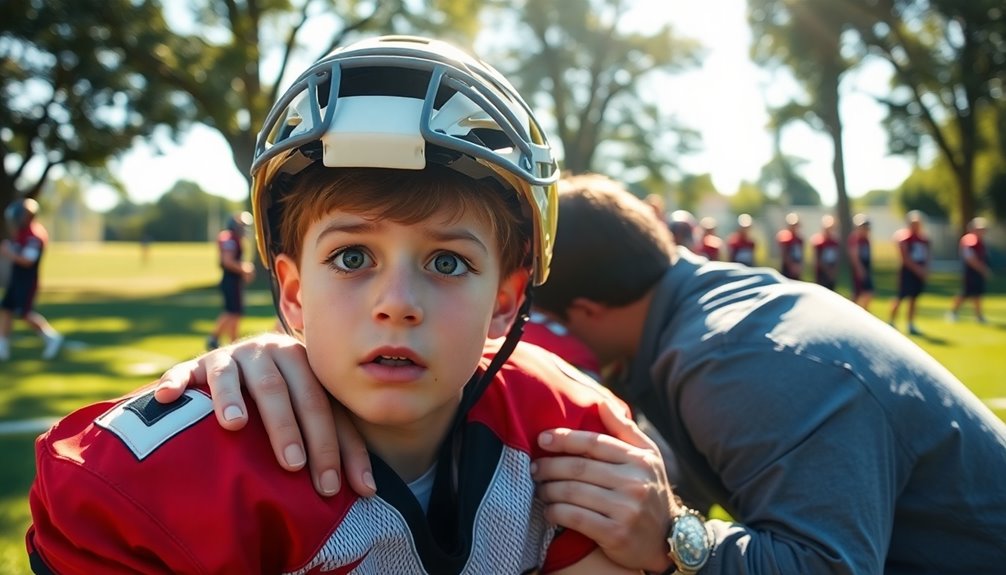
Concussions in Youth Sports: Recognition and Response Guide
March 6, 2026Concussions in youth sports are serious and require your immediate attention. Familiarize yourself with common signs and symptoms like confusion, headaches, or dizziness. If you suspect a concussion, remove the athlete from play and consult a healthcare professional for proper evaluation. Coaches must be vigilant and create a culture of safety. Open communication is essential for reporting concerns. Understanding these critical points will help guarantee the well-being of young athletes. Learn more about effective responses and long-term management.
Understanding Concussions: What You Need to Know
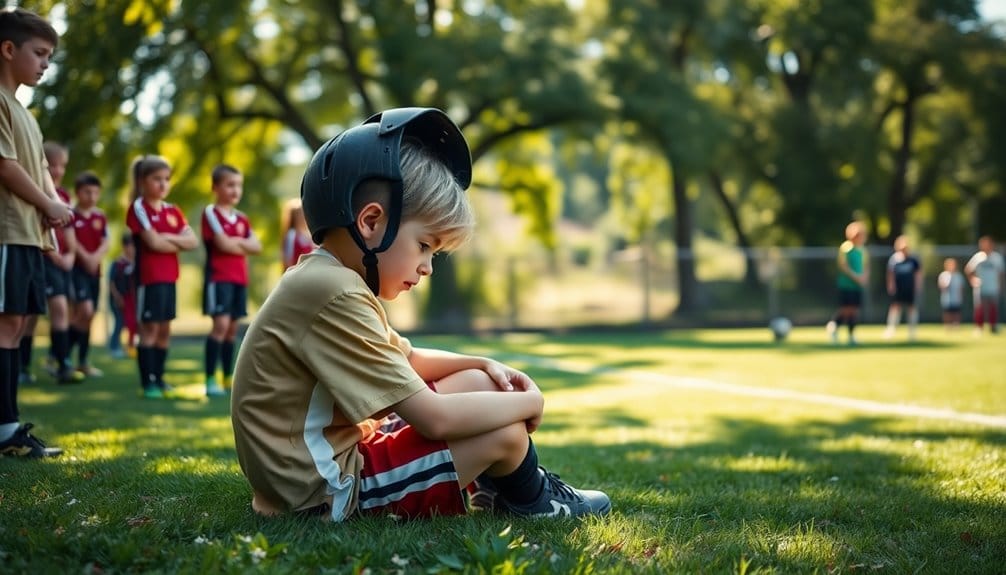
When it comes to youth sports, understanding concussions is essential for parents, coaches, and players alike.
You might’ve heard various concussion myths, such as thinking that only a loss of consciousness indicates a serious injury. That’s simply not true. Concussions can occur without any visible signs, making awareness critical.
To protect young athletes, it’s important to implement effective prevention strategies. Encourage proper techniques, guarantee players wear appropriate gear, and promote safe playing environments. Soccer field dimensions can also play a role in minimizing injury risks by ensuring adequate space for safe play.
Implementing effective prevention strategies is key to safeguarding young athletes in sports.
Educating everyone involved about the risks and realities of concussions can markedly reduce their occurrence. By dispelling myths and focusing on prevention, you’ll help create a safer atmosphere for youth sports, allowing everyone to enjoy the game while prioritizing health and well-being.
Common Signs and Symptoms of Concussions in Young Athletes
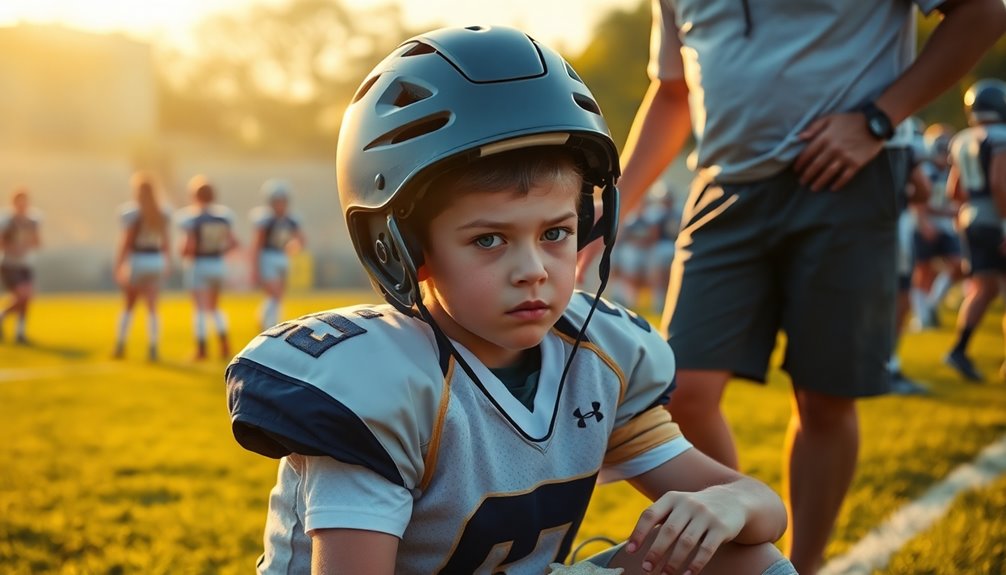
Recognizing the common signs and symptoms of concussions in young athletes is important for timely intervention and recovery. You should be aware of key symptoms like confusion, headaches, dizziness, and balance issues.
Young athletes might also experience sensitivity to light or noise, nausea, or difficulty concentrating. It’s essential to promote symptom awareness among players, coaches, and parents to guarantee everyone can identify these signs early.
Athlete education plays a significant role here; teaching young athletes about the risks of concussions empowers them to report symptoms and seek help. Incorporating mental preparation techniques can also aid athletes in managing their emotional responses during recovery.
Why Is Concussion Recognition Critical in Youth Sports?
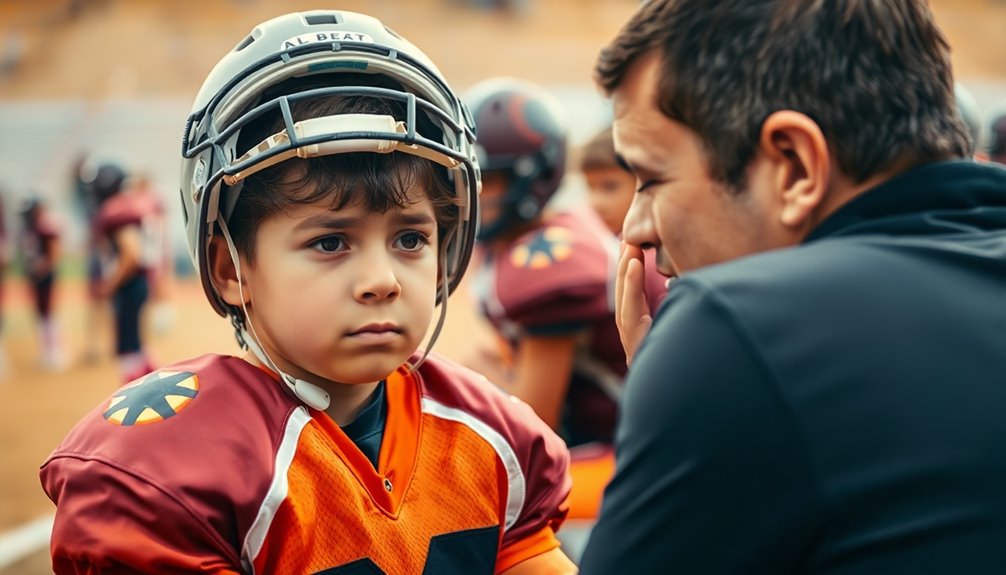
Recognizing concussions in youth sports is essential because immediate health risks can escalate if they’re ignored.
You mightn’t realize that untreated concussions can lead to long-term developmental effects, impacting a young athlete’s future. Furthermore, fostering mental strength helps in recognizing the signs and symptoms of concussions, ensuring timely intervention and care.
Immediate Health Risks
Concussion recognition is critical in youth sports because the immediate health risks can have serious, long-lasting effects. When a young athlete suffers a concussion, it’s imperative to conduct an impact assessment right away.
Ignoring symptoms like confusion, dizziness, or headaches can lead to further injury, increasing the risk of complications. You need to be proactive about injury prevention; if a concussion is suspected, removing the player from the game is essential.
Quick recognition allows for timely medical evaluation, which is necessary for effective treatment. By understanding the immediate risks associated with concussions, you can help guarantee the safety and well-being of young athletes, ultimately promoting a healthier sports environment.
Long-Term Developmental Effects
While the immediate risks of a concussion are alarming, the long-term developmental effects can be even more concerning, particularly for young athletes.
You mightn’t realize that repeated concussions can lead to significant cognitive and emotional challenges. These long-term effects can manifest as developmental delays, affecting academic performance and social interactions.
Children may struggle with memory, attention, and learning, hindering their overall growth. It’s essential to recognize and address concussions early to prevent these serious consequences.
If a young athlete shows symptoms, taking action promptly can make a difference in their future. Remember, prioritizing concussion awareness and proper management is critical for fostering healthier, more resilient young athletes.
Don’t underestimate the impact of these injuries on their long-term development.
Immediate Actions to Take When a Concussion Is Suspected
When you suspect a concussion, it’s essential to recognize symptoms promptly. Remove the player from the game and guarantee they get a medical evaluation as soon as possible. Taking these immediate actions can greatly impact their recovery and future safety. Ensuring proper flag pulling techniques can help reduce the risk of head injuries in youth sports.
Recognize Symptoms Promptly
Recognizing the symptoms of a concussion quickly is vital for a young athlete’s recovery and safety. You should start with a thorough symptom assessment to identify any signs of a concussion.
Look for common symptoms like headaches, dizziness, confusion, or balance issues. Use recognition techniques such as asking the athlete simple questions about time, place, and events to gauge their cognitive function.
Pay attention to any changes in behavior or mood, as these can also indicate a concussion. If you notice any of these symptoms, it’s important to take them seriously and act promptly.
Quick recognition can greatly impact the athlete’s health and help prevent further injury. Always trust your instincts; when in doubt, seek help.
Remove From Play
After spotting symptoms of a concussion, the next immediate step is to remove the athlete from play. This action aligns with your concussion policy and prioritizes player safety above all else.
It’s essential to act swiftly; don’t let the athlete continue participating, as this can worsen their condition. Make certain to communicate with the athlete, expressing your concerns clearly to guarantee they understand why they need to sit out.
Inform coaches and other staff about the situation promptly, so they can support the decision. Remember, it’s better to err on the side of caution.
Taking these steps not only protects the athlete’s well-being but also fosters a culture of safety within your sports program.
Seek Medical Evaluation
Immediate action is essential when a concussion is suspected, as the athlete’s health and safety depend on it. You should seek a medical evaluation promptly to guarantee proper care.
Here’s what to do next:
- Contact a healthcare provider: Schedule an appointment with a doctor trained in concussion management.
- Undergo a medical assessment: Allow the physician to evaluate symptoms, perform tests, and determine the severity.
- Consult concussion specialists: If necessary, get a referral to experts who specialize in concussion treatment and recovery.
- Follow their recommendations: Adhere to the treatment plan, including rest and gradual return to play protocols.
Acting quickly can notably impact the athlete’s recovery and long-term health.
The Role of Coaches in Identifying Concussions
Coaches play an essential role in identifying concussions, as their close interactions with young athletes position them to notice changes in behavior or performance.
To enhance coach awareness, you should familiarize yourself with the common symptoms of concussions, such as confusion, dizziness, or unusual fatigue. Implementing identification strategies, like observing players during practice and games, can help you spot signs that may indicate a concussion.
Encourage open communication with your athletes, so they feel comfortable reporting any symptoms. Regular training on concussion recognition is vital, as it keeps you informed about the latest protocols and best practices. Additionally, understanding the importance of proper stretching can aid in preventing injuries and ensuring athletes are in optimal condition.
How Can Parents Help Spot Concussion Symptoms?
How can you, as a parent, effectively spot concussion symptoms in your child? It starts with concussion education and developing symptom awareness.
Here are four key signs to watch for:
- Physical Symptoms: Look for headaches, dizziness, or balance issues.
- Cognitive Changes: Notice if your child has trouble concentrating, remembering, or seems confused.
- Emotional Disturbances: Be alert for increased irritability, sadness, or mood swings.
- Sleep Disruptions: Monitor changes in sleep patterns, like trouble falling asleep or sleeping more than usual. Additionally, understanding the importance of safety in sports can help you recognize when your child may be at risk for a concussion.
Importance of Proper Rest and Recovery After a Concussion
While recognizing a concussion is essential, the importance of proper rest and recovery afterward can’t be overstated.
After a concussion, you need to prioritize rest duration, giving your brain the time it needs to heal. This means stepping back from sports, school, and even screen time.
Recovery strategies play an important role in your healing process. Engage in light activities that don’t exacerbate your symptoms, like gentle walking, but avoid anything physically or mentally taxing. Incorporating high-intensity sprints can be beneficial once cleared by a healthcare professional, as they help improve overall fitness post-recovery.
It’s essential to listen to your body; if symptoms worsen, seek medical advice. Remember, rushing back into action may prolong your recovery or lead to further injury.
Your health is the top priority, so take the time to fully recover.
Long-Term Effects of Untreated Concussions in Youth Athletes
Ignoring a concussion can lead to serious long-term effects that you mightn’t see right away.
Cognitive impairments and emotional health issues can creep in, affecting daily life and performance.
It’s essential to understand these risks and prioritize proper treatment for young athletes. Additionally, the influence of diverse athletes in promoting awareness about concussions can help address the importance of recognizing and responding to these injuries promptly.
Cognitive Impairment Risks
What happens when a concussion goes untreated in a young athlete? The risks of cognitive impairment can be significant, leading to long-term challenges. You may notice symptoms like cognitive decline that affect not just sports but also daily life and academic performance.
Here are some potential consequences:
- Memory problems: Difficulty recalling information or retaining new material.
- Decreased focus: Trouble concentrating on tasks, affecting learning and retention.
- Reduced processing speed: Slower ability to think through problems or respond in conversations.
- Increased fatigue: Mental exhaustion that can hinder both athletic performance and schoolwork.
Addressing concussions promptly is essential for maintaining cognitive health and supporting ongoing success in academics and sports.
Emotional Health Consequences
Untreated concussions can lead to significant emotional health consequences for young athletes, impacting their overall well-being.
You might notice changes in mood, increased anxiety, or feelings of depression. These emotional struggles can affect your performance both on and off the field.
Without proper treatment and emotional support, the long-term effects can hinder your mental health, making it difficult to engage socially or academically.
It’s essential to recognize these signs early and seek help. Talking to a trusted adult or mental health professional can provide the emotional support you need to cope with these challenges.
Establishing a Concussion Management Plan for Teams
As youth sports gain popularity, developing a concussion management plan for your team becomes essential. This plan should focus on awareness and prevention, ensuring everyone understands the importance of safety.
Here are four key components to include:
- Concussion Policy: Establish clear guidelines on how to identify and manage concussions.
- Team Education: Educate coaches, players, and parents about the signs and symptoms of concussions.
- Reporting Procedures: Create a system for players to report suspected concussions without fear of penalty.
- Emergency Action Plan: Develop a protocol for responding to head injuries, including when to seek medical attention.
Implementing these elements will help protect your athletes and foster a safer sporting environment. Additionally, incorporating team-building warm-up games can enhance communication and trust among players, which is vital for recognizing potential injuries.
Understanding Return-to-Play Protocols After a Concussion
After implementing a concussion management plan, understanding return-to-play protocols is essential for the safety of young athletes.
These return to play guidelines help guarantee that athletes safely adapt back to sports after a concussion. It’s important to follow a step-by-step approach, starting with light physical activity and gradually increasing intensity.
Return to play guidelines ensure athletes safely transition back to sports post-concussion through a gradual, monitored approach.
Each stage of gradual reintegration should be monitored for any recurring symptoms. If symptoms reappear, you need to pause and consult a healthcare professional.
Only after completing all stages without issues can the athlete return to full participation. Remember, prioritizing safety over speed is key to preventing further injury and promoting long-term health. Additionally, ensuring a strong conditioning regimen can support overall athletic performance and recovery during this process.
Always keep communication open with the athlete, parents, and coaches during this process.
Legal Responsibilities of Coaches and Organizations Regarding Concussions
As a coach, you have a critical role in ensuring the safety of your young athletes, especially when it comes to concussions.
You need to be aware of training requirements and establish clear reporting protocols to protect your players.
Understanding these legal responsibilities not only keeps your team safe, but also helps you avoid potential liabilities.
Coach Training Requirements
Understanding the legal responsibilities surrounding concussions is essential for coaches and organizations, especially since athletes’ safety hinges on proper training.
To guarantee you’re equipped to handle concussion-related issues, consider the following coach training requirements:
- Complete Coach Certification: Obtain certification that includes concussion awareness and management.
- Attend Training Programs: Participate in programs focusing on recognizing concussion symptoms and appropriate responses.
- Stay Informed: Regularly update your knowledge on the latest concussion research and guidelines.
- Implement Safety Protocols: Develop and enforce protocols for managing suspected concussions during practices and games.
Reporting Protocols and Procedures
How can coaches guarantee the safety of their athletes when it comes to concussions?
To start, you need to establish clear reporting protocols and procedures. Make certain your organization has standardized reporting forms ready for any suspected concussion incidents. These forms should include details about the athlete, the nature of the incident, and any observed symptoms.
Prompt and accurate incident documentation is essential, as it helps track athletes’ health and guarantees compliance with legal responsibilities. After a concussion is suspected, you must remove the athlete from play and document the steps taken.
Regularly review and update your protocols to align with current guidelines and laws, guaranteeing a safe environment for your athletes. Your diligence in reporting can make all the difference.
Creating a Safe Sports Environment: Tips for Coaches and Parents
Creating a safe sports environment is essential for preventing concussions and guaranteeing kids can enjoy their athletic experiences.
As a coach or parent, you can promote safety through these tips:
- Implement training guidelines: Guarantee all athletes understand safe practices tailored to their sport’s specific risks.
- Use appropriate safety equipment: Invest in quality gear and ensure it’s worn correctly at all times.
- Foster open communication strategies: Encourage kids to report any symptoms or concerns without fear of losing playtime.
- Involve parents in awareness campaigns: Educate families on injury prevention and the importance of a supportive environment.
Resources for Education on Concussions in Youth Sports
While recognizing the importance of education in preventing concussions, it’s essential for coaches, parents, and athletes to access reliable resources.
Start with organizations like the CDC and the Brain Injury Association, which offer extensive educational resources on concussion awareness. These platforms provide guides, fact sheets, and online courses that cover recognition and management of concussions, tailored specifically for youth sports.
Local sports associations often host workshops or seminars that can deepen your understanding, so be sure to participate. Additionally, consider exploring online webinars and community programs focused on safe sports practices.
Encouraging Open Communication About Concussions Among Players and Parents
Open communication about concussions between players and parents is essential for ensuring the health and safety of young athletes.
By fostering a supportive environment, you can help players feel comfortable discussing their experiences. Here are some effective communication strategies to enhance parental involvement:
- Regular Meetings: Organize team meetings to discuss concussion awareness and protocols.
- Open Dialogue: Encourage players to share their concerns or symptoms without fear of judgment.
- Educational Resources: Provide information on concussion signs, symptoms, and recovery options for both players and parents.
- Feedback Mechanism: Create a way for parents and players to report issues or suggestions related to concussion safety.
Conclusion
In youth sports, recognizing concussions is essential — did you know that athletes aged 5 to 18 account for nearly 50% of all sports-related concussions? By staying informed and vigilant, you can make a significant difference in a young athlete’s health and safety. Coaches, parents, and players all play important roles in fostering an environment where open communication about head injuries is encouraged. Together, we can guarantee that our young athletes compete safely and recover properly.