
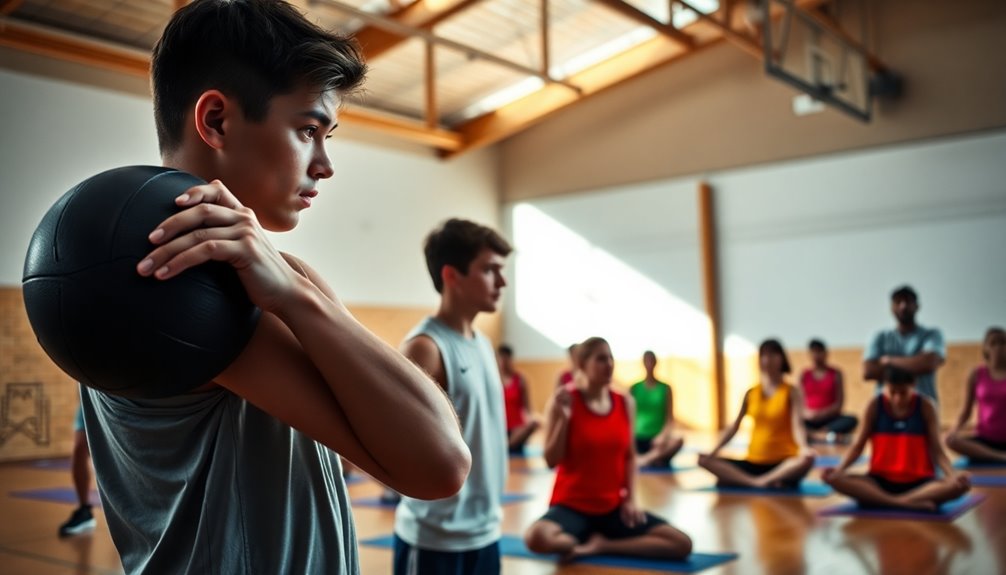
When Competition Gets Tough: Mental Resilience Training for Young Athletes
February 21, 2026When competition gets tough, mental resilience becomes your best ally. It’s about building emotional stability and mental strength to handle pressure and bounce back from setbacks. To enhance your resilience, set achievable goals, track your progress, and practice positive affirmations. Using mindfulness and visualization techniques can also help you manage stress and anxiety. Coaches and parents play an essential role in this journey, supporting your growth and development. Discover more ways to cultivate your mental toughness.
Understanding Mental Resilience: What It Is and Why It Matters

Mental resilience is an essential skill that can greatly impact a young athlete’s performance and overall well-being. It’s about developing mental strength and emotional stability to face challenges effectively.
When you cultivate mental resilience, you learn to navigate setbacks, stress, and pressure with confidence. This ability allows you to maintain focus, make better decisions under pressure, and bounce back from disappointments.
Instead of letting fear or anxiety dictate your performance, you’ll harness your emotions to fuel your determination. Understanding mental resilience means recognizing its importance in not just sports, but in life. Additionally, the influx of Black players in basketball demonstrates how diverse backgrounds can enhance mental toughness and adaptability in competitive environments.
Identifying Challenges Young Athletes Face in Competitive Environments
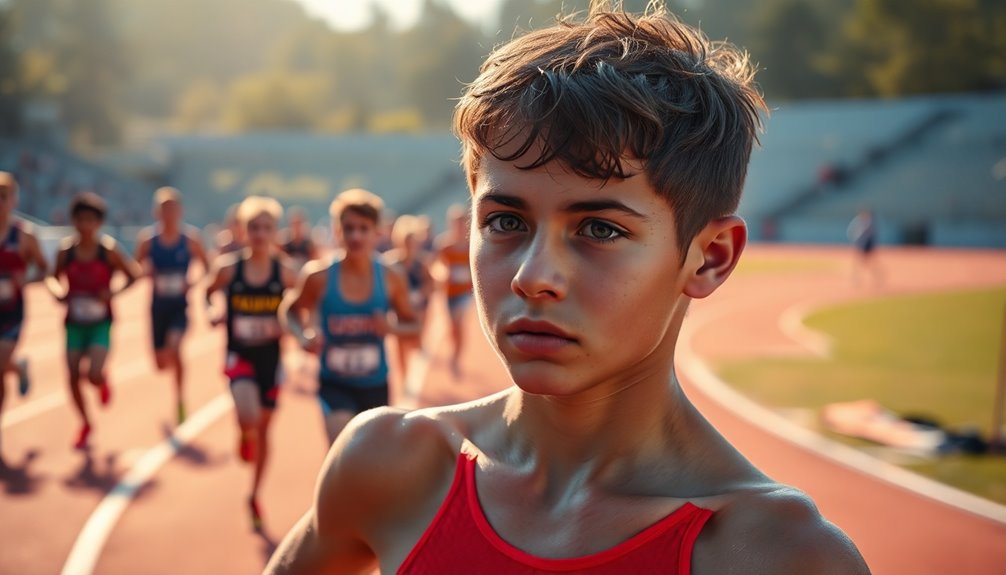
As young athletes step onto the field or court, they often encounter a variety of challenges that can test their resolve and performance. Peer pressure can heighten performance anxiety, making it tough to stay focused.
You might struggle with emotional regulation, battling feelings of self-doubt and fear of failure during vital moments. The pressure to meet unrealistic expectations from coaches and parents can lead to competitive burnout, leaving you feeling drained.
Additionally, social comparisons with teammates and opponents can further amplify your insecurities. Recognizing these challenges is the first step toward developing strategies to overcome them. Embracing a growth mindset can help young athletes view failures as learning opportunities rather than setbacks.
Practical Strategies for Building Mental Toughness
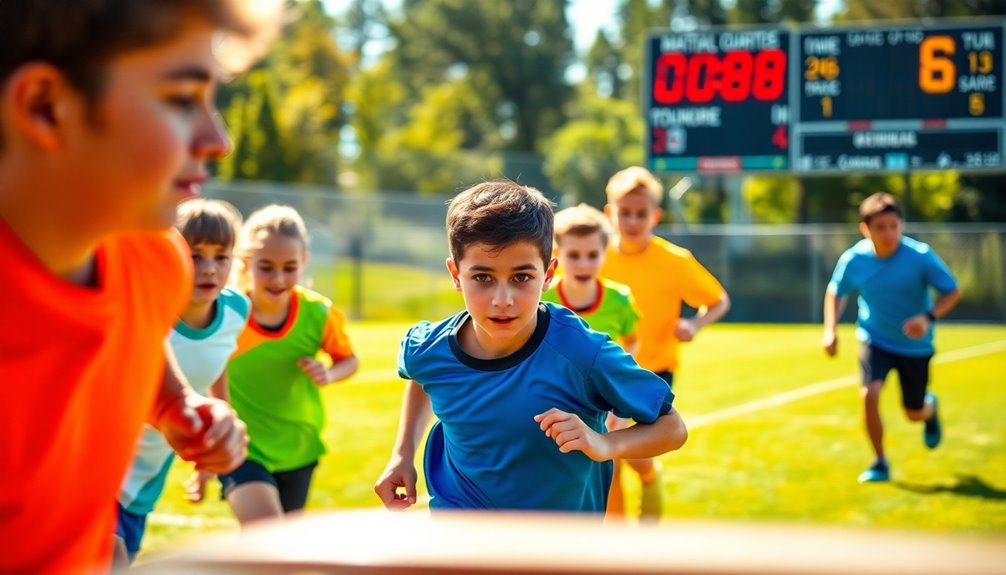
Building mental toughness is key to overcoming the challenges young athletes face in competitive environments. Start by setting clear, achievable goals. Break these down into smaller steps, allowing you to track your progress and celebrate small victories along the way. This not only boosts confidence but also reinforces your commitment to improvement.
Incorporate positive affirmations into your daily routine. Remind yourself of your strengths and capabilities, especially when facing setbacks. Phrases like “I am strong” or “I can overcome this challenge” can shift your mindset and enhance resilience.
Finally, embrace challenges as opportunities for growth. Each obstacle you encounter is a chance to build your mental toughness, preparing you for future competitions. Remember, positive thinking influences success both on and off the court, so stay focused, stay positive, and keep pushing forward!
Techniques for Managing Stress and Anxiety During Competition
When competition time rolls around, managing stress and anxiety becomes essential for your performance.
You can use breathing techniques to stay calm and centered, while visualization helps you focus on your goals. Embracing a positive attitude can also release your potential to overcome challenges and enhance your mental game.
Let’s explore how these methods can enhance your mental game and boost your confidence.
Breathing Techniques for Calm
Although competition can trigger stress and anxiety, mastering breathing techniques can help young athletes find their calm.
One effective method is deep breathing, which allows you to focus on your breath and reduce tension. Start by inhaling slowly through your nose for a count of four, letting your diaphragm expand fully. Hold that breath for a moment, then exhale through your mouth for a count of six.
This diaphragmatic breathing engages your core and promotes relaxation. You can practice this technique before a competition or during breaks to regain focus.
With regular practice, you’ll find that these breathing techniques not only manage stress but also enhance your overall performance when it matters most.
Visualization for Performance Focus
Visualization is a powerful tool that can enhance performance and ease anxiety for young athletes. By using mental imagery, you can practice goal visualization, mentally rehearsing your desired outcomes before competition.
Incorporate visualization exercises into your routine to build confidence and reinforce positive thoughts. Success visualization helps you see yourself achieving your goals, making it easier to focus during events.
Use focus techniques to block out distractions and maintain clarity. Imagery training allows you to create vivid mental scenarios that align with your performance enhancement strategies.
The Role of Mindfulness and Visualization in Athletic Performance
Mindfulness and visualization can greatly boost your athletic performance.
By practicing mindfulness, you’ll enhance your focus and concentration, allowing you to stay present during competitions.
Visualization techniques can help you mentally rehearse success, giving you the confidence to perform at your best. Additionally, adopting a winning mentality can further empower young athletes to thrive under pressure and achieve their goals.
Benefits of Mindfulness Practice
As you train your body for peak performance, incorporating mindfulness practices can greatly enhance your mental game.
Mindfulness benefits include improved focus, reduced anxiety, and better emotional regulation, all essential for young athletes facing competition. By engaging in mindfulness exercises, like deep breathing or body scans, you can cultivate awareness and presence in the moment.
This helps you manage pressure more effectively, allowing you to stay calm and composed when it counts. Regular practice not only strengthens your mental resilience but also fosters a positive mindset.
You’ll find that by being more present, you can tap into your full potential, ultimately boosting your overall athletic performance. Embrace mindfulness as a powerful tool in your training regimen.
Visualization Techniques for Success
When you visualize your goals, you harness the power of your mind to create a mental blueprint for success.
Visualization exercises help you see yourself achieving your objectives, boosting your confidence and focus. By practicing mental imagery, you can mentally rehearse your performance, imagining every detail—from your movements to the emotions you’ll feel.
This technique cultivates a sense of familiarity and preparedness, making it easier to execute under pressure. It’s essential to engage all your senses during these exercises; the more vivid your imagery, the stronger the impact on your performance.
Whether it’s scoring a goal or completing a race, visualization can turn your aspirations into reality, allowing you to approach competition with a resilient and determined mindset.
Enhancing Focus and Concentration
Building on visualization techniques, enhancing focus and concentration can greatly impact your athletic performance. By incorporating focus techniques, you can train your mind to stay present during competition.
Start with concentration exercises, like deep breathing or meditation, to clear distractions. Picture yourself performing at your best, fully engaged in the moment.
As you practice mindfulness, you’ll develop the ability to tune out external noise and internal doubts. Set specific goals for each practice session, keeping your mind anchored on one task at a time.
Regularly applying these strategies helps you create a mental habit that fosters resilience and sharpens your performance. Remember, your mental game is just as essential as your physical skills—strengthen it to elevate your overall performance.
How Can Coaches and Parents Support Mental Resilience Development?
While young athletes face various pressures, coaches and parents play an essential role in fostering mental resilience.
You can start by enhancing parent involvement through regular communication, ensuring everyone’s on the same page.
Establish strong support systems that encourage open dialogue, allowing athletes to express their feelings.
Use encouragement strategies that focus on effort rather than solely on outcomes, reinforcing a growth mindset.
Implement feedback mechanisms to help young athletes learn from experiences.
Organizing resilience workshops can also boost emotional intelligence, equipping them with tools to navigate challenges.
Finally, engage in collaborative goal setting, allowing athletes to take ownership of their objectives and develop a sense of purpose.
Additionally, fostering strong team dynamics promotes understanding and motivation, which can further enhance resilience.
Together, these strategies create a nurturing environment for mental resilience to thrive.
Conclusion
In today’s competitive sports landscape, building mental resilience is essential for young athletes. Did you know that studies show over 60% of young athletes experience anxiety during competitions? By implementing practical strategies like mindfulness and visualization, you can help them thrive under pressure. Coaches and parents play an important role in this journey, fostering a supportive environment that encourages growth and confidence. Together, you can empower young athletes to not just compete, but excel mentally and emotionally.