
Water Safety for Young Swimmers: 10 Essential Rules
February 24, 2026To keep young swimmers safe, remember these 10 essential rules: understand the importance of water safety, always supervise kids, teach them basic swimming skills early, and use life jackets correctly. Set clear rules for behavior around water, know the signs of drowning, and encourage swim lessons. Establish a buddy system and stay informed about weather and water conditions. These practices will enhance their enjoyment while swimming, and more helpful tips await you!
Understand the Importance of Water Safety for Kids
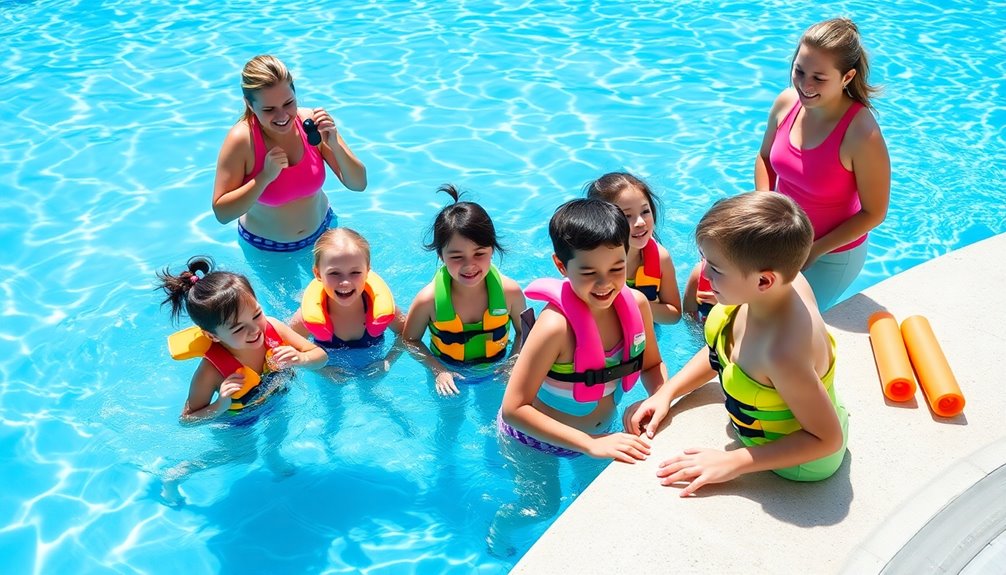
While swimming can be a fun and enriching experience for kids, understanding water safety is essential to guarantee their well-being. You need to instill child awareness about potential dangers in and around water. Teach them to recognize safe swimming areas and the importance of following rules.
Encourage your child to ask questions if they’re unsure about anything related to water. Equip them with basic swimming skills, but remind them that these skills don’t eliminate risks. Discuss the significance of wearing life jackets when necessary, especially in unfamiliar waters. Engaging in on-ball off-ball movements can help improve their overall coordination and confidence in the water.
The more informed they are, the more responsible decisions they’ll make. By prioritizing water safety, you’re not just protecting your child; you’re giving them the tools to enjoy swimming safely.
Always Supervise Young Swimmers Near Water
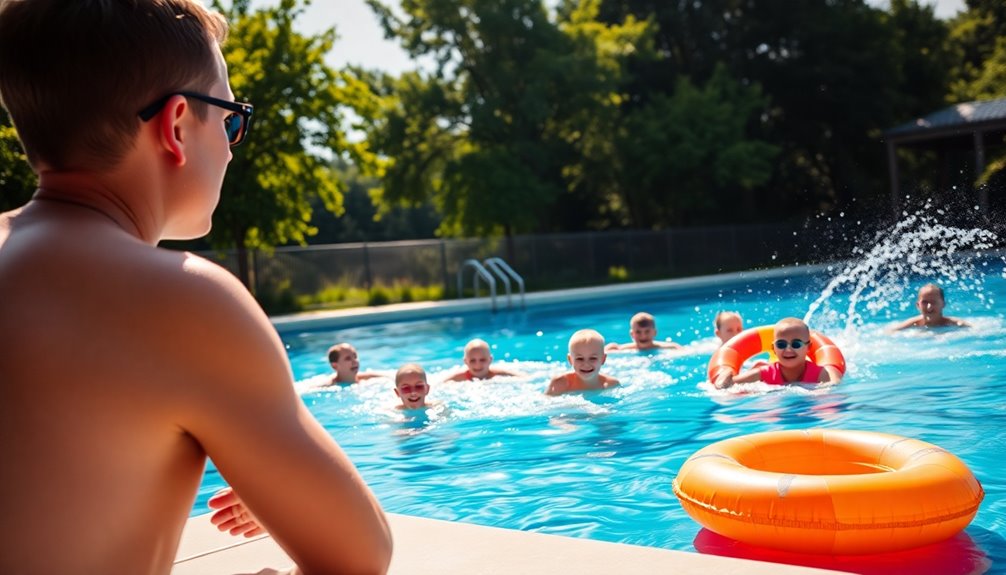
When young swimmers are near water, it’s essential to keep a close eye on them. Designate a responsible water guardian who can maintain constant vigilance, ensuring their safety at all times. This includes being aware of standard safety measures to prevent accidents and promote a safe swimming environment.
Designate A Water Guardian
To guarantee the safety of young swimmers, designating a Water Guardian is vital. This person’s primary responsibility is to supervise the children closely while they’re in or near the water.
When you’re designating guardian roles, choose someone who’s attentive, calm, and ideally experienced in water safety. It’s imperative that the Water Guardian avoids distractions, like their phone or socializing, to make certain they’re always focused on the kids.
Make sure they understand their water guardian responsibilities, which include recognizing potential hazards and knowing how to respond in emergencies.
Maintain Constant Vigilance
Keeping a watchful eye on young swimmers is essential for their safety. You can’t take your attention away, even for a moment. By maintaining vigilant observation and proactive engagement, you can help prevent accidents.
Here are some tips to guarantee constant vigilance:
- Designate a Spotter: Choose a responsible adult to focus solely on the swimmers.
- Limit Distractions: Avoid phone use or chatting; your attention needs to be fully on the water.
- Stay Within Reach: Position yourself close enough to intervene quickly if necessary.
- Teach Water Safety: Educate kids about the dangers of water, empowering them to stay safe.
Teach Children Basic Swimming Skills Early
Starting young can make a significant difference in a child’s comfort and skill in the water. By teaching your child basic swimming techniques early, you’ll help them build essential water confidence.
Start with simple skills like floating, kicking, and arm movements. These foundational techniques not only enhance their ability to swim but also instill a sense of safety and enjoyment in the water. Incorporating ball mastery techniques can also help enhance their overall coordination and confidence.
Start with basic skills like floating and kicking to build safety and enjoyment in the water.
Make swimming practice fun through games and positive reinforcement. Encourage your child to explore the water gradually, allowing them to become familiar with different depths.
Regular practice will boost their confidence and improve their skills. Remember, the earlier they learn, the more comfortable they’ll feel, paving the way for a lifetime of safe and enjoyable swimming experiences.
Use Life Jackets Appropriately and Effectively
While life jackets are crucial for safety, using them correctly is important for maximizing their effectiveness. Here are some tips to guarantee your young swimmers stay safe:
- Choose the Right Life Jacket Type: Make certain it’s suitable for their age and weight; there are various types designed for different activities.
- Proper Fitting: Always check that the life jacket fits snugly. A proper fit prevents slipping off in the water.
- Inspect Before Use: Look for any signs of damage or wear, like tears or broken buckles.
- Teach Them to Float: Show your children how to use the life jacket to float and stay calm in the water. Additionally, remind them about the importance of sportsmanship and respect while swimming, as it fosters a positive environment for all participants.
Set Clear Rules for Pool and Beach Behavior
Establishing clear rules for pool and beach behavior is essential for ensuring young swimmers understand safety expectations. Start by teaching them pool etiquette, like no running or pushing, to prevent accidents.
Make sure they know to respect others’ space and wait their turn for the slide or diving board.
At the beach, emphasize beach rules such as staying within designated swimming areas and understanding the dangers of strong currents.
Encourage them to listen to lifeguards and pay attention to warning flags. Stoppage time can be seen as a reminder that paying attention to surroundings is crucial, as unexpected situations can arise at any moment.
Reinforcing these guidelines not only promotes safety but also helps young swimmers build good habits for future swimming experiences.
Create a Safe Swimming Environment at Home
Creating a safe swimming environment at home is essential, especially when young swimmers are involved.
Establishing a secure swimming space at home is crucial, particularly for the safety of young swimmers.
You can take several steps to guarantee safety and peace of mind:
- Install pool fencing: Make sure your pool is surrounded by a tall, secure fence to keep children away when you’re not supervising.
- Use safety alarms: Invest in pool alarms that alert you if someone enters the water unexpectedly. This adds an extra layer of protection.
- Keep pool areas clear: Remove toys and floaties from the pool when not in use to prevent children from being tempted to jump in unsupervised.
- Supervise at all times: Always be within arm’s reach of young swimmers to guarantee their safety, no matter how skilled they may be.
Know the Signs of Drowning and How to Respond
Recognizing the signs of drowning can be essential in keeping young swimmers safe. You need to know what to look for and how to respond quickly in an emergency. Being prepared can make all the difference when every second counts. Understanding the importance of effective communication during such situations can greatly enhance response efforts.
Drowning Symptoms to Recognize
Although drowning can happen quickly and silently, knowing the signs can make an important difference in saving a life.
Recognizing these drowning signs is vital for effective drowning prevention. Here are four symptoms to watch for:
- Inability to stay afloat: A swimmer may struggle to keep their head above water.
- Unusual silence: Unlike what you might expect, drowning victims often can’t shout for help.
- Eyes wide and empty: Look for a blank stare; they’re not focused on their surroundings.
- Flailing arms: Watch for erratic movements, which indicate panic and distress.
Emergency Response Actions Required
When you spot someone showing signs of drowning, every second counts, and knowing how to respond can save a life.
First, shout for help and call your emergency contacts immediately. If the person is within reach, extend a pole, rope, or floatation device but don’t put yourself in danger.
If you can safely get to them, perform a rescue. Once out of the water, check for breathing and pulse. If they’re unresponsive, begin CPR—30 chest compressions followed by two rescue breaths—and continue until help arrives or they start breathing.
Familiarize yourself with basic first aid techniques, as these can be essential in emergencies.
Encourage Swim Lessons and Water Safety Courses
To guarantee your child enjoys a safe and fun experience in the water, consider enrolling them in swim lessons and water safety courses. Proper swim instruction provides essential skills that can save lives.
Here are four reasons to prioritize these courses:
- Confidence Building: Swim lessons help your child feel more comfortable and confident in the water.
- Safety Certification: Courses often include safety certifications, teaching kids how to respond to emergencies.
- Skill Development: Structured swim instruction enhances their swimming abilities, making them more capable swimmers.
- Lifelong Skills: Learning water safety early instills habits that can last a lifetime, ensuring they enjoy water activities responsibly.
Additionally, understanding proper positioning in the water can enhance their overall safety and performance.
Investing in swim lessons is an important step towards your child’s safety and enjoyment in aquatic environments.
Establish a Buddy System for Safer Swimming
When it comes to safe swimming, choosing reliable swim partners is essential.
Make sure you and your buddy establish clear communication signals to stay connected in the water.
This way, you can enjoy your time while keeping safety a priority. Additionally, incorporating strong communication practices can enhance your teamwork and overall safety in the water.
Choose Reliable Swim Partners
Choosing reliable swim partners is essential for guaranteeing safety in the water.
When it comes to your swim buddy selection, look for these reliable partner characteristics:
- Responsibility: A good swim partner knows the importance of safety and stays alert while swimming.
- Good Communication: They can express their feelings and concerns clearly, making it easier to address any issues.
- Similar Skill Level: Choose someone with similar swimming abilities to guarantee you can support each other effectively.
- Trustworthiness: You should feel confident that your partner will act responsibly in an emergency.
Establish Clear Communication Signals
Establishing clear communication signals is essential for enhancing safety during swimming sessions. When you swim with a buddy, it’s important to use both hand signals and verbal cues to convey messages effectively.
Agree on specific hand signals, like raising your hand for attention or thumbs up for “all good.” These signals can help you stay connected without shouting over the noise of splashing water.
Additionally, establish simple verbal cues, such as “help” if someone is in distress or “time to rest” for breaks. Practicing these signals before you get in the water creates a shared understanding, ensuring both of you feel safe and informed.
Stay Informed About Weather and Water Conditions
Staying informed about weather and water conditions is essential for ensuring a safe swimming experience for young swimmers. Before you head to the pool or beach, check the latest updates to keep everyone safe.
Here are a few tips to help you stay informed:
- Monitor weather forecasts: Keep an eye on storm warnings or temperature drops that may affect swimming safety.
- Check water temperature: Make sure the water is warm enough for comfortable swimming, especially for younger kids.
- Look for local advisories: Pay attention to any beach or pool conditions that could pose risks, like strong currents or high bacteria levels.
- Stay alert to changes: Be ready to adapt your plans if weather conditions shift unexpectedly. Additionally, always prioritize recovery through rest to ensure that young swimmers are well-rested and alert while enjoying the water.
Your vigilance can make all the difference!
Conclusion
By following these essential rules, you’re not just keeping your young swimmers safe; you’re creating a world where laughter echoes off the water’s surface and splashes dance in the sunlight. Picture the joy of your child mastering a new skill, their confidence soaring like a kite on a breezy day. When you prioritize water safety, you’re not just preventing accidents; you’re crafting cherished memories that will last a lifetime, ensuring every swim is a splash of happiness.

