

Overuse Injuries in Youth Sports: Prevention Is Better Than Treatment
February 24, 2026Overuse injuries are common in youth sports, but with the right strategies, you can prevent them. Make certain your training includes proper warm-ups and adequate rest time. Pay attention to any persistent pain or discomfort, as these could be early signs of an injury. Encourage open communication with coaches about any concerns. By focusing on injury prevention, you can guarantee a healthier and more enjoyable sports experience. There’s much more to explore about how to keep young athletes safe.
Understanding Overuse Injuries in Youth Sports
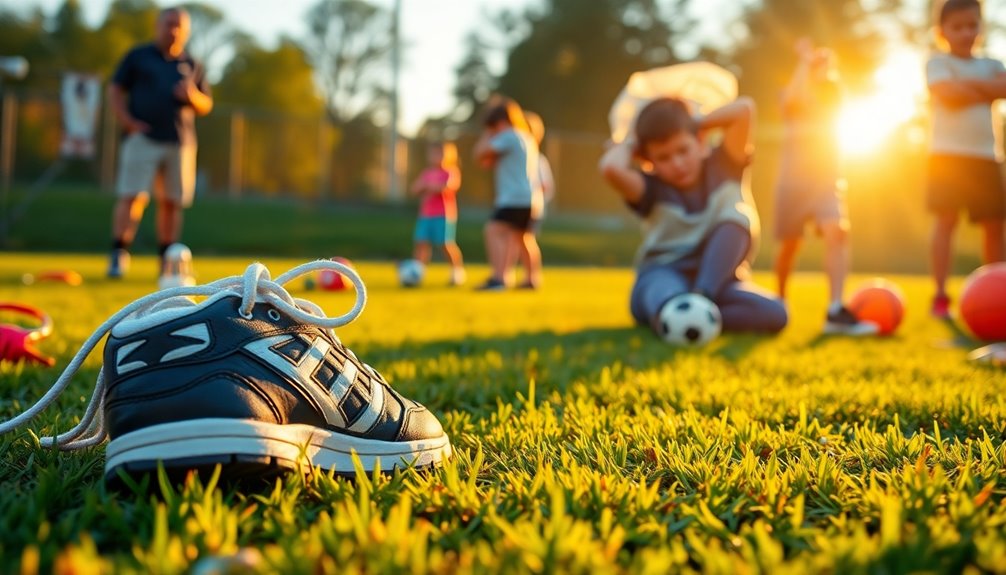
As young athletes push their limits in pursuit of excellence, they often face the risk of overuse injuries. Understanding the overuse mechanisms is essential for you as a coach or parent.
These injuries typically arise from repetitive stress on growing bodies, where youth physiology plays a significant role. Young athletes’ bones, muscles, and tendons are still developing, making them more susceptible to injury when subjected to excessive training or competition.
You need to recognize the signs of fatigue and adjust training loads accordingly. By promoting proper technique, rest, and recovery, you can help mitigate risks. Incorporating injury prevention stretches into training routines can further support young athletes’ physical readiness.
Recognizing fatigue and adjusting training loads is crucial for young athletes’ health and performance.
Prioritizing a balanced approach to training not only enhances performance but also fosters long-term health and well-being for young athletes.
Common Types of Overuse Injuries in Young Athletes

Common issues like tendonitis, stress fractures, and shin splints often arise from repetitive motions and inadequate rest. Understanding these injuries and their risk factors is essential for staying healthy and enjoying your sport. Incorporating conditioning drills into your training routine can help prevent these overuse injuries by improving overall strength and endurance.
Common Overuse Injuries
Overuse injuries are a growing concern among young athletes, with research indicating that up to 50% of sports injuries in this age group stem from repetitive stress.
Common overuse injuries include tendonitis, stress fractures, and patellofemoral pain syndrome. These injuries often arise from improper youth athlete biomechanics, where repetitive motions strain muscles and joints beyond their capacity.
Overuse injury statistics highlight that sports like soccer, basketball, and baseball frequently result in these conditions.
You should pay attention to these issues, as they can hinder your performance and overall enjoyment of the sport. Recognizing the signs early can help prevent long-term damage, so stay informed and guarantee a balanced training regimen to protect your young athlete.
Risk Factors In Youth Sports
While participating in youth sports can be a rewarding experience, several risk factors contribute to the likelihood of overuse injuries among young athletes.
High training volume is a significant factor; when kids push themselves too hard or train too frequently without adequate rest, they increase their risk of injury.
Additionally, psychological factors play a role—young athletes may feel pressured to perform, leading them to ignore pain or fatigue. This can result in a harmful cycle of overtraining.
It’s essential for coaches and parents to monitor both training intensity and emotional health, ensuring that kids enjoy their sports while minimizing risks.
Balancing training with rest and fostering a positive mindset can help prevent overuse injuries in young athletes.
The Role of Coaches in Preventing Injuries

Coaches play an essential role in preventing injuries among young athletes, especially since their guidance can greatly influence training practices and overall health.
By prioritizing coach education and injury awareness, you can create a safer environment for your team. Here are four key strategies to implement:
- Educate Yourself: Stay updated on best practices for injury prevention and proper training techniques.
- Monitor Workloads: Confirm athletes aren’t overtraining by balancing practice intensity and recovery time.
- Promote Proper Technique: Teach correct movements and biomechanics to minimize injury risk.
- Encourage Open Communication: Foster a culture where athletes feel comfortable discussing pain or discomfort. Additionally, consider integrating dynamic warm-up routines to prepare young athletes physically and reduce the likelihood of injuries.
How Can Parents Support Injury Prevention?
As a parent, your involvement is essential in supporting injury prevention for your young athlete. Start by fostering open communication strategies with your child about their feelings and any discomfort during practice or games. Encourage them to express concerns, emphasizing that it’s okay to speak up.
Make sure they’re following proper warm-up and cool-down routines, as these are vital for injury prevention. Additionally, help them balance their sports commitments with rest and recovery periods. Incorporating core strength exercises into their training can also enhance their stability and reduce the risk of injuries.
Monitor their participation in multiple sports to avoid overuse injuries, and advocate for a focus on skill development over competition. By being proactive and engaged, you can greatly contribute to your child’s safety and overall enjoyment of sports.
Recognizing the Warning Signs of Overuse Injuries
Overuse injuries often creep up on young athletes, making it essential for you to recognize their warning signs early.
Pay attention to these fatigue indicators that may signal trouble:
- Persistent Pain: If your child complains about ongoing aches, especially after activity, it’s time to take notice.
- Swelling: Look for any swelling around joints or muscles, which can indicate overuse.
- Reduced Performance: A sudden drop in performance or skill level can be a red flag.
- Avoidance of Activity: If your child starts avoiding sports or certain movements, it could be a sign of discomfort.
Incorporating dynamic stretches into warm-ups can help prepare young athletes’ bodies and reduce the risk of overuse injuries.
Importance of Proper Warm-Up and Cool-Down Routines
A proper warm-up and cool-down routine can make all the difference in your performance and recovery.
By incorporating effective techniques, you not only boost your flexibility and strength but also greatly reduce your risk of injuries. Additionally, dynamic stretches in warm-ups enhance muscle flexibility and prepare muscles for gameplay.
Let’s explore how these routines can help you stay in the game and avoid overuse injuries.
Benefits Of Warm-Up
Warm-up routines are essential for young athletes, as they prepare the body for the demands of physical activity. A proper warm-up can enhance performance and reduce the risk of injuries.
Here are some key benefits to take into account:
- Dynamic Stretching: Increases blood flow to muscles, enhancing flexibility.
- Muscle Activation: Engages the specific muscles used in your sport, preparing them for action.
- Injury Prevention: A well-structured warm-up lowers the chances of strains and sprains.
- Mental Preparation: Helps you focus and gear up mentally for the game ahead.
Aim for a warm-up duration of 10-15 minutes, incorporating aerobic warm-ups and sport-specific warm-ups.
Don’t forget to include flexibility exercises to guarantee your body is fully prepared!
Effective Cool-Down Techniques
While you may focus on how to prepare your body before a game, the cool-down routine is just as crucial for recovery and injury prevention.
After intense activity, your muscles need to revert back to a resting state, and that’s where effective cool-down techniques come in. Start with light jogging or walking to gradually decrease your heart rate.
Follow this with static stretching to improve flexibility and reduce muscle tension. Incorporating dynamic stretching into your cool-down can also help maintain mobility.
Remember, these recovery techniques are essential for preventing overuse injuries, especially in young athletes.
Prioritizing a proper cool-down not only aids in muscle recovery but also prepares your body for future workouts, keeping you in the game longer.
Injury Prevention Strategies
To effectively prevent injuries in youth sports, incorporating proper warm-up and cool-down routines is essential.
These routines not only enhance performance but also reduce the risk of overuse injuries. Here are four key strategies to follow:
- Dynamic Warm-Up: Engage in movements that mimic the sport, increasing blood flow and flexibility.
- Stretching: Focus on muscle groups used during the activity, ensuring they’re prepared for action.
- Cooldown: After practice or games, gradually decrease intensity to help muscles recover.
- Education: Stay informed on injury prevention and follow training guidelines tailored for youth athletes.
Balancing Training Intensity and Rest for Young Athletes
Balancing training intensity and rest is essential for young athletes, as their developing bodies are particularly susceptible to overuse injuries.
You need to create training schedules that allow for adequate recovery time between sessions. High-intensity workouts can boost performance, but without rest, they increase the risk of injuries.
Incorporate recovery techniques like stretching, hydration, and sleep into your routine to promote healing and growth. Listen to your body—if you feel pain or fatigue, it’s vital to adjust your training intensity.
Remember, the goal is to enhance performance while minimizing injury risks. By prioritizing balance in your training, you’ll not only stay healthy but also enjoy the sport more. Additionally, incorporating high-intensity interval training can help improve stamina while allowing for necessary recovery periods.
Keep the focus on long-term development rather than short-term gains.
The Benefits of Cross-Training for Injury Prevention
Cross-training can be a game changer for young athletes looking to prevent injuries and enhance overall performance. By engaging in various sports and activities, you can reap significant cross training benefits, promoting athletic diversity.
Cross-training offers young athletes a powerful way to prevent injuries while boosting their overall performance through diverse activities.
Here are four key advantages:
- Reduced Overuse Injuries: Switching up activities helps prevent repetitive strain on specific muscles and joints.
- Improved Strength and Flexibility: Different sports target various muscle groups, enhancing overall body strength and flexibility.
- Enhanced Skill Development: Diverse training improves coordination and agility, making you a more well-rounded athlete.
- Mental Break: Trying new activities can keep training fun and engaging, reducing burnout and maintaining motivation.
Incorporating cross-training into your routine could be the secret to staying injury-free and thriving in your sport! Additionally, slide board workouts can significantly improve skating mechanics and overall athletic performance, making them an excellent cross-training option for hockey players.
Creating a Safe Sports Environment for Youth
Creating a safe sports environment for youth starts with using the right equipment and ensuring it’s in good condition. Regular safety inspections can help identify potential hazards, while age-appropriate training sessions keep kids engaged without risking their health. Additionally, ensuring that players wear mandatory equipment like mouthguards and pocketless shorts is crucial for their safety during gameplay.
Proper Equipment Usage
Proper equipment usage is essential for securing a safe sports environment for youth athletes.
When you prioritize proper equipment, you help prevent injuries and promote a positive experience.
Here are four key points to keep in mind:
- Follow fitting guidelines: Verify that each piece of equipment fits properly to provide adequate support and protection.
- Conduct regular equipment maintenance: Check for wear and tear, and replace any damaged items to guarantee peak performance.
- Educate young athletes: Teach them how to use equipment correctly to minimize risk and enhance safety.
- Use appropriate gear for the sport: Select equipment specifically designed for the activity to assure maximum safety and effectiveness.
Regular Safety Inspections
Ensuring that equipment is in top shape is just one part of maintaining a safe environment for youth sports. Regular safety inspections are essential to uphold safety protocols and identify any potential hazards.
Check for worn-out gear, loose parts, or any signs of damage that could lead to injuries. Establish a routine for equipment maintenance that includes cleaning, repairing, or replacing items as needed.
Encourage coaches and parents to be proactive in inspecting facilities and fields, ensuring they meet safety standards. By prioritizing these inspections, you create a more secure environment where young athletes can focus on their performance and enjoyment.
Age-Appropriate Training Sessions
When designing training sessions for young athletes, it’s vital to tailor activities to their age and developmental stage. Using age-specific drills not only promotes skill development but also minimizes the risk of overuse injuries.
Here are four key considerations for creating effective training sessions:
- Focus on Fundamental Skills: Emphasize basic movements and techniques appropriate for their age.
- Incorporate Varied Activities: Mix different sports and drills to keep sessions engaging and reduce monotony.
- Limit Duration and Intensity: Confirm sessions aren’t too long or intense to avoid fatigue and injury.
- Encourage Rest and Recovery: Include rest periods within training to allow young athletes to recover properly.
Resources for Coaches and Parents on Injury Prevention
As youth sports participation continues to grow, it’s essential for coaches and parents to access effective resources that promote injury prevention.
Start by reviewing injury statistics to understand the most common overuse injuries in your sport. This knowledge helps tailor your coaching techniques to minimize risks.
Utilize online platforms and workshops that offer training on proper warm-up routines, strength conditioning, and flexibility exercises. Organizations like the American Academy of Pediatrics provide valuable guidelines and checklists for injury prevention.
Encourage open communication between players, coaches, and parents about any pain or discomfort to catch issues early. Additionally, incorporating dynamic stretches in warm-up routines can significantly reduce the risk of injuries.
Conclusion
Just like a young tree needs the right balance of sun and shade to grow strong, young athletes require a thoughtful mix of training and rest to thrive. By nurturing their bodies and listening to their needs, you can help them avoid the pitfalls of overuse injuries. Remember, it’s not just about winning the race; it’s about ensuring they enjoy the journey. Together, let’s cultivate a culture of prevention, so every child can flourish in their sports endeavors.