
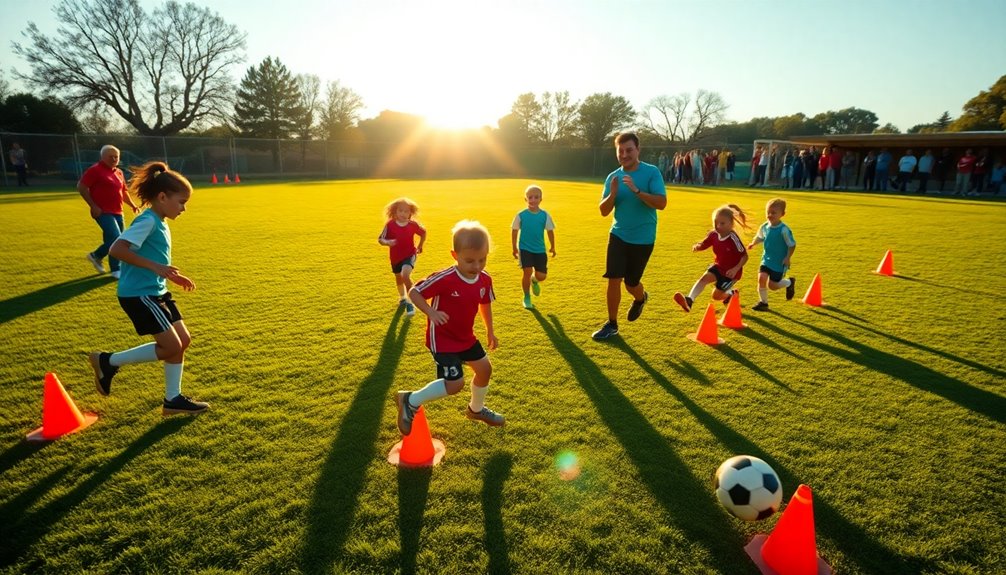
The Ultimate Youth Soccer Training Plan (Ages 6-12)
February 16, 2026The ultimate youth soccer training plan for ages 6-12 emphasizes skill development, teamwork, and a positive mindset. You’ll focus on mastering dribbling, passing, and receiving techniques while engaging in fun drills that promote growth and enjoyment. Building communication and strategizing on the field are essential for fostering a supportive environment. Setting achievable goals and regularly tracking progress helps young athletes stay motivated. Discover how each element interacts to create well-rounded players and enhance their love for the game.
Understanding the Importance of Youth Soccer Training
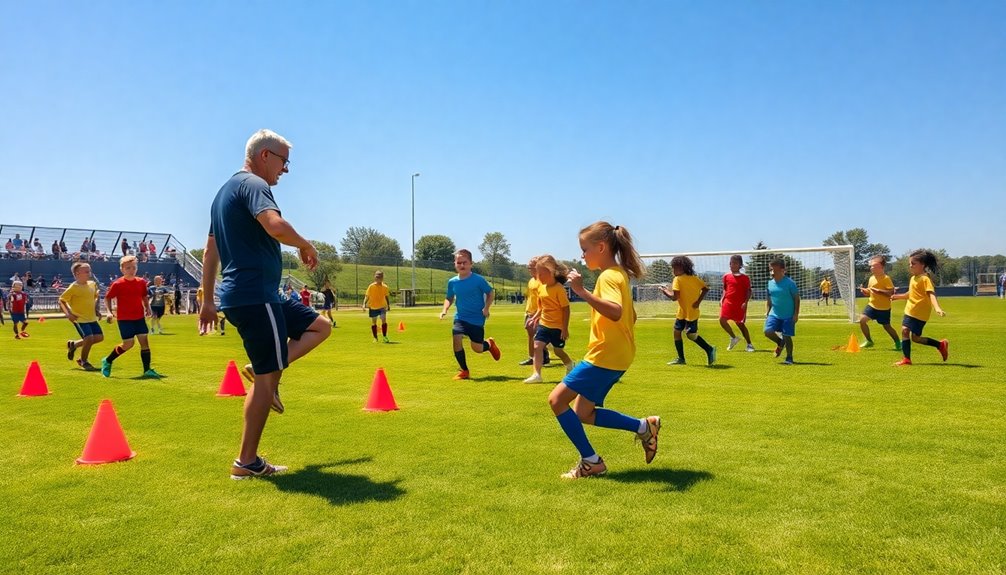
Youth soccer training is essential for developing not just skills on the field, but also vital life lessons. As you engage in training, you’re fostering youth motivation that goes beyond just kicking a ball.
You learn the importance of teamwork, communication, and discipline, which can carry into your everyday life. When you consistently practice, you enhance skill retention, making it easier to recall techniques during games.
This repetition builds confidence and a sense of achievement, pushing you to aim for improvement. Remember, every drill you complete isn’t just about becoming a better player; it’s about building character and resilience. Additionally, effective passing drills are crucial for developing critical skills that translate to match performance.
Embrace these lessons, and you’ll find that the benefits of youth soccer training extend far beyond the pitch.
Key Skills Every Young Soccer Player Should Develop
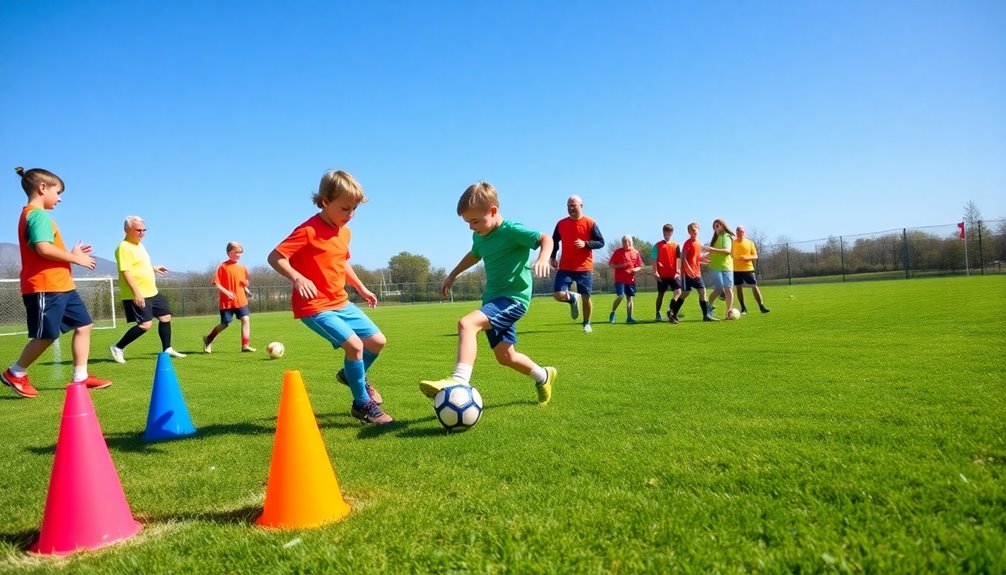
While mastering soccer techniques can be a fun challenge, developing key skills is essential for every young player’s success on the field.
Focus on dribbling fundamentals to help you navigate through defenders with ease. Practice ball control and footwork to enhance your ability to maneuver the ball effectively.
Additionally, work on passing precision; accurate passing can create scoring opportunities and strengthen team play. As you improve these skills, you’ll gain confidence and become a more valuable teammate. Incorporating finishing drills into your practice routine will also help you become a more effective goal scorer as you develop your shooting skills.
Fun Drills to Improve Dribbling and Ball Control

To truly elevate your dribbling and ball control skills, incorporating fun drills into your practice routine can make all the difference. Engaging in these activities not only enhances your ball mastery but also keeps you motivated.
Incorporating fun drills into your practice can elevate your dribbling skills and keep you motivated.
Here are some exciting drills you can try:
- Cone Dribbling: Set up cones and navigate through them using different parts of your foot, focusing on control.
- 1v1 Dribbling Challenges: Pair up with a friend and take turns trying to dribble past each other, fostering competitive spirit.
- Obstacle Course: Create a mini obstacle course with various challenges, emphasizing quick footwork and agility.
Incorporating passing techniques into your practice will complement your dribbling skills and improve overall gameplay.
These drills won’t only improve your dribbling but also make practicing enjoyable. Remember, the more you practice, the better you’ll get!
Enhancing Passing and Receiving Techniques for Kids
To enhance your kids’ passing and receiving skills, it’s vital to focus on key techniques that lay a strong foundation.
Engaging in fun drills not only makes practice enjoyable but also reinforces these essential skills. Incorporating effective passing drills into your training sessions can significantly boost their overall game performance.
Let’s explore the best ways to help your young players improve their game!
Key Techniques Overview
As you guide young players in their soccer journey, focusing on enhancing passing and receiving techniques is essential for their development.
By conducting technique analysis, you can identify areas for improvement, ensuring effective skill progression.
Here are key techniques to emphasize:
- Inside Foot Passing: Teach players to use the inside of their foot for accurate, controlled passes.
- Receiving with Purpose: Encourage players to receive the ball using their body to set up the next move, fostering better control.
- Movement Off the Ball: Instill the importance of positioning, helping players create space for effective passing and receiving.
Fun Drills to Practice
While kids are enthusiastic to have fun on the field, incorporating enjoyable drills can considerably boost their passing and receiving skills.
Start with dribble challenges, where players navigate through cones while maintaining control of the ball. This helps them develop better touch and awareness.
Next, organize passing races, where two teams compete to see who can complete the most accurate passes within a time limit. This adds excitement and urgency, motivating kids to improve their technique under pressure.
Encourage teamwork by having them pass in pairs, focusing on proper foot placement and timing.
These fun drills not only enhance their skills but also foster a love for the game, making practice an enjoyable experience for everyone involved.
Building Teamwork and Communication on the Field
Effective teamwork and communication are essential for any soccer team that wants to succeed on the field. To foster team bonding, encourage your players to engage with one another both on and off the field. This creates a sense of unity that translates into better performance during games.
Here are a few ways to enhance communication among teammates:
- Implement regular team huddles before and after practice to discuss strategies and feelings.
- Use simple signals or calls during practice and games, so players know when to pass or shift positions.
- Encourage positive feedback, which helps build confidence and reinforces effective communication.
Additionally, incorporating rondo drills into your training sessions can significantly enhance teamwork and communication skills among players.
Strategies for Developing Defensive Skills in Youth Players
Building strong communication and teamwork sets the foundation for effective gameplay, but it’s equally important to develop defensive skills among youth players. Start by teaching proper tackling techniques; emphasize when to tackle and how to make it safe and effective. Use drills that focus on one-on-one situations, allowing players to practice their timing and approach.
Next, cultivate positional awareness by encouraging players to understand their roles on the field. Incorporate exercises that require them to anticipate the opponent’s moves, promoting quick decision-making.
Finally, engage in small-sided games where defensive skills are put to the test. This not only improves their technical abilities but also reinforces the importance of working as a cohesive unit in defense. Additionally, implement defensive stance drills to help players master their positioning and agility during gameplay.
Introducing Game Tactics and Situational Awareness
As players gain confidence in their defensive skills, introducing game tactics and situational awareness becomes essential for their overall development. By focusing on game scenarios, you’ll help them understand how to read the field and make smarter decisions.
Encourage players to think critically about their positioning and movement in relation to both teammates and opponents.
Here are some key points to emphasize:
- Understanding formations: Teach how different alignments affect gameplay and player responsibilities.
- Recognizing space: Help players identify open areas and when to exploit or protect them.
- Anticipating plays: Develop their ability to predict the opponent’s moves and adjust their tactics accordingly.
Incorporating the concept of offside position will further enhance their understanding of the game and improve overall team performance.
Creating a Positive and Encouraging Training Environment
Creating a positive and encouraging training environment is essential for fostering young players’ growth and enjoyment of the game. When you coach, focus on providing supportive feedback that highlights each player’s strengths.
Celebrate small victories, whether it’s mastering a skill or showing teamwork. Positive reinforcement goes a long way; it builds confidence and motivates players to push themselves.
Encourage players to support one another, creating a culture where mistakes are seen as learning opportunities rather than failures. Keep practices fun and varied to maintain enthusiasm, and remember, your attitude sets the tone. Incorporating activities that enhance teamwork and communication can further enrich the training experience and deepen player connections.
Setting Goals and Tracking Progress in Young Athletes
When you set clear, achievable goals for young athletes, it not only gives them direction but also fuels their motivation.
By focusing on goal setting, you help them understand what they need to improve and celebrate their successes along the way. Progress tracking is essential, as it provides tangible evidence of their growth and development.
Focusing on goal setting helps young athletes recognize areas for improvement and celebrate their achievements, showcasing their growth through progress tracking.
- Encourage young athletes to set short-term and long-term goals.
- Use a visual chart or journal to track their progress regularly.
- Celebrate milestones to maintain their enthusiasm and commitment. Additionally, incorporating game-changing passing drills can enhance their skills and teamwork on the field.
Conclusion
You might worry that your young athlete won’t stay engaged or motivated during training, but by incorporating fun drills and a positive atmosphere, you’ll keep their enthusiasm high. Remember, the goal isn’t just skill development; it’s about fostering a love for the game. As they learn teamwork, communication, and strategic thinking, they’ll not only improve as players but also enjoy the journey. Embrace this training plan, and watch your child thrive on and off the field!