
What Age Should Kids Start Playing Organized Sports? The Science-Backed Answer
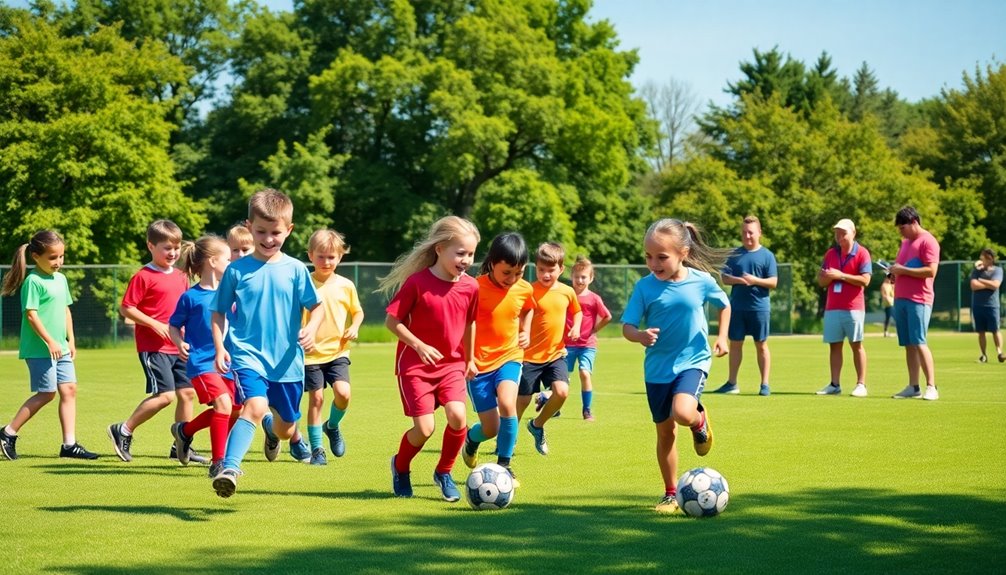
February 16, 2026Most experts agree that kids should start playing organized sports around age six or seven. By this age, they typically show key physical and social skills needed for teamwork. They’re also more likely to express interest in playing games. It’s important to reflect on their emotional readiness as well, including how they handle winning and losing. If you’re curious about how to support your child through this journey, there’s more valuable information waiting for you.
Understanding the Benefits of Organized Sports for Kids
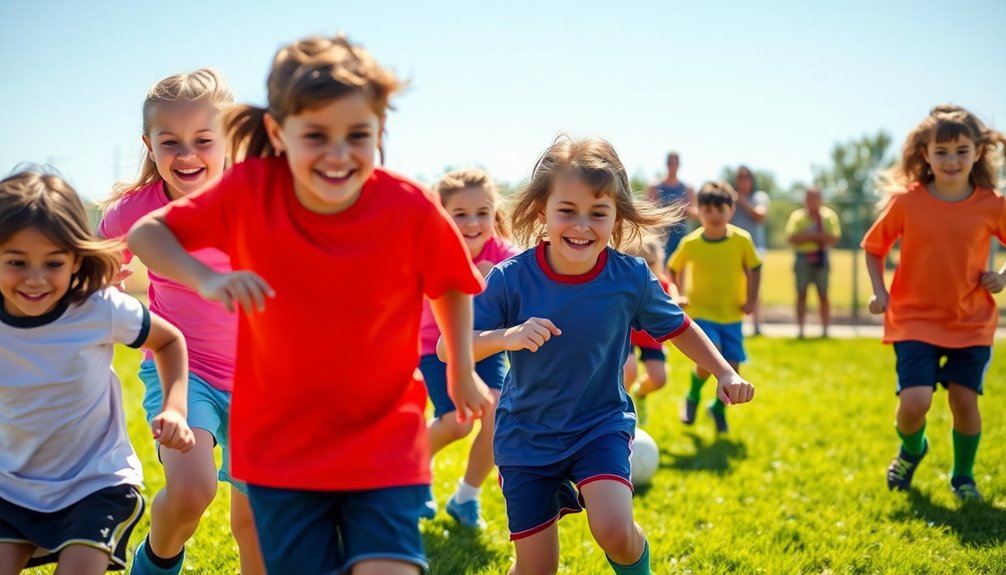
When kids engage in organized sports, they not only develop physical skills but also gain valuable life lessons.
You’ll notice that participating in these activities teaches them the benefits of teamwork. They learn how to cooperate, communicate, and support each other, which fosters strong friendships. This collaboration goes beyond the field, helping them navigate social situations in school and life.
Additionally, organized sports promote physical health, encouraging kids to stay active and develop healthy habits early on. Regular participation helps build strength, endurance, and coordination, while reducing the risk of obesity. Furthermore, engaging in organized sports fosters a holistic approach to growth, allowing children to develop both on and off the field.
What Is the Ideal Age to Start Organized Sports?
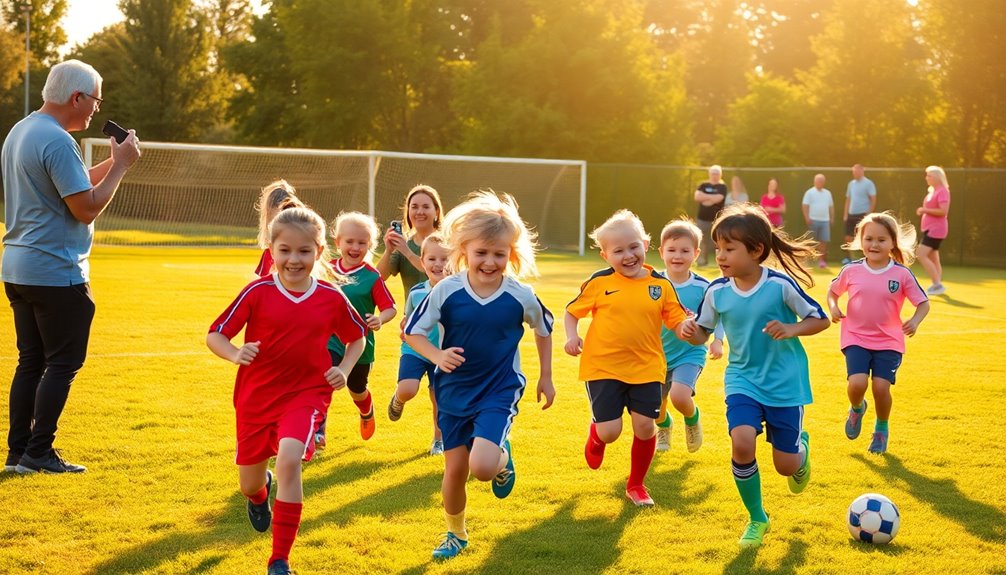
Starting organized sports at the right age can greatly impact a child’s development. While there’s no one-size-fits-all answer, many experts suggest around age six or seven as an ideal starting point.
At this age, kids often hit key age milestones, such as improved coordination and social skills, making it easier for them to engage in team dynamics. This is also when sport preferences begin to emerge, allowing children to explore various activities that resonate with them.
Encouraging participation in different sports can help them discover what they enjoy most while developing essential life skills. By letting your child start organized sports at this age, you foster a positive environment for growth and create lasting memories. Additionally, engaging in sports can enhance their ball control skills, which are crucial for overall athletic development.
The Role of Physical Development in Sports Readiness
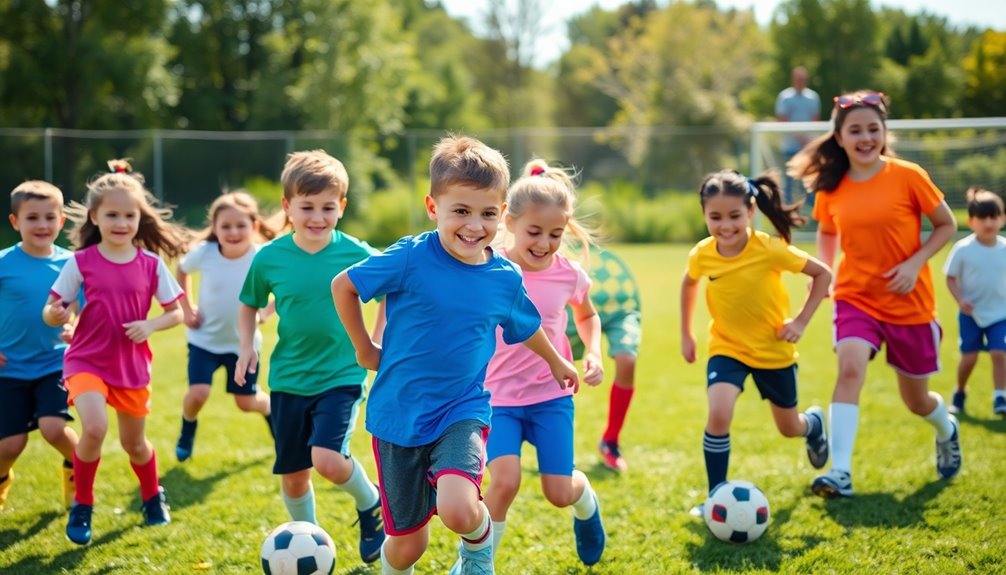
While physical development plays an essential role in determining a child’s readiness for organized sports, it’s important to recognize that each child progresses at their own pace.
You’ll want to assess your child’s motor skills and physical coordination before diving into organized activities. Kids who’ve developed basic motor skills, like running, jumping, and throwing, are generally more prepared for the demands of sports.
Good physical coordination helps them follow instructions, interact with teammates, and respond to game situations effectively. Encourage activities that promote these skills, such as climbing, dancing, or playing catch. Incorporating dynamic warm-ups can further enhance their physical readiness for organized sports.
How Do Social Skills Impact Team Sports Participation?
When you participate in team sports, your social skills play a vital role in shaping the experience.
Strong teamwork development and effective communication can enhance not only your performance but also your enjoyment of the game.
As you learn to work with others, you’ll discover how these skills can foster lasting friendships and a sense of belonging. Effective communication strategies are essential for building strong connections among teammates, ultimately leading to greater success on the field.
Teamwork Development Benefits
Teamwork thrives on effective communication and collaboration, essential social skills that greatly enhance participation in team sports.
When kids engage in cooperative play, they learn to navigate team dynamics, which helps them understand their roles within a group. This understanding fosters trust and respect among teammates, making it easier for everyone to contribute effectively.
As they practice these skills, children develop empathy and the ability to resolve conflicts, key components of successful teamwork. Additionally, working together towards a common goal encourages a sense of belonging and boosts self-esteem.
Ultimately, the benefits of teamwork extend beyond the field, equipping kids with valuable social skills they’ll carry into other areas of their lives.
Communication Skills Enhancement
Engaging in team sports not only strengthens teamwork but also greatly enhances communication skills among kids.
When participating in organized sports, children learn important social skills that will benefit them both on and off the field.
Here are some key aspects of how team sports improve communication:
- Active Listening: Kids practice focusing on teammates’ words, significant for effective collaboration.
- Non-Verbal Communication Techniques: They learn to read body language and gestures, which are essential for conveying messages without words.
- Conflict Resolution Skills: Steering through disagreements in a team setting teaches kids how to communicate their feelings and find common ground.
Emotional Readiness: Are They Prepared for Competition?
When it comes to competition, understanding how it affects your child emotionally is essential. You’ll want to pay attention to their emotional signals to see if they’re truly ready for the challenges ahead. After all, being prepared emotionally can make a big difference in their sports experience. Developing a champion mindset through resilience and perseverance is crucial for navigating competitive environments.
Understanding Competition’s Impact
While many kids are enthusiastic to jump into organized sports, it’s important to assess their emotional readiness for competition. Understanding how competition dynamics affect your child can help you gauge whether they’re prepared for a competitive mindset.
Here are some factors to keep in mind:
- Self-esteem: Does your child feel confident in their abilities, or do they struggle with self-doubt?
- Response to winning and losing: Can they handle both victory and defeat gracefully, or do they become overly upset?
- Social skills: Is your child able to collaborate with teammates and communicate effectively?
Recognizing Emotional Signals
Recognizing emotional signals is essential for determining if your child is ready for the competitive nature of organized sports. Start by observing their emotional awareness; do they understand their feelings in different situations? If they can express frustration or excitement, they might be better equipped to handle competition.
Also, consider how they manage feelings during challenging moments. If they get easily overwhelmed, it could indicate a need for further emotional development before diving into organized sports.
Encourage open conversations about their emotions and reactions to competition. This won’t only prepare them for the challenges ahead but also help them develop resilience, making sports a more enjoyable and rewarding experience.
The Argument for Starting Young: Competitive Edge or Pressure?
As parents weigh the decision to enroll their kids in organized sports at a young age, they often grapple with the balance between giving their child a competitive edge and imposing undue pressure.
Starting early can provide a competitive advantage, but it may also lead to early pressure that can overwhelm young athletes.
Consider these factors:
- Skill Development: Early participation allows kids to develop essential skills and techniques sooner.
- Social Interaction: Engaging in team sports fosters friendships and teamwork from a young age.
- Burnout Risk: Pushing too hard too soon might lead to fatigue and disinterest in sports later on.
- Structured Warm-Ups are crucial for preparing young athletes physically and mentally, ensuring they have a positive experience in their sports journey.
Ultimately, finding the right balance is vital to ensuring your child enjoys the benefits without succumbing to stress.
Risks of Early Specialization in Sports
Although early specialization in sports can seem appealing for fostering talent, it carries significant risks that can impact a child’s long-term development.
Focusing on one sport at a young age often leads to burnout and limits exposure to diverse activities essential for overall skill development. Additionally, the intense repetition involved can result in long-term injuries, such as stress fractures or tendonitis, that could sideline your child for years.
This approach may hinder their passion for sports, making them less likely to continue playing as they grow. Instead of concentrating solely on one sport, encourage your child to explore various activities.
This not only reduces the risk of injuries but also promotes a more well-rounded athletic experience. Engaging in diverse sports can improve cardiovascular endurance, which is crucial for overall athletic performance.
Balancing Fun and Competition: Why It Matters
Fostering a love for sports while maintaining a competitive edge is essential for young athletes. Striking the right balance between fun engagement and a competitive spirit can lead to positive experiences that encourage lifelong participation in sports.
Fostering a passion for sports while embracing competition is key to nurturing lifelong athletes.
Here’s why it matters:
- Motivation: Kids who enjoy their activities are more likely to stay committed, improving their skills over time.
- Social Development: Fun interactions with teammates foster friendships, helping children develop significant social skills.
- Mental Resilience: A focus on enjoyment can lessen pressure, allowing kids to learn how to handle both winning and losing gracefully. Additionally, incorporating teamwork drills can enhance communication skills and camaraderie among young athletes.
How to Choose the Right Sport for Your Child’s Age
How do you know which sport is best for your child’s age? Start by considering age appropriateness.
Younger kids often thrive in sports that emphasize fun, teamwork, and basic skill development, like soccer or t-ball. As they grow, you can introduce a wider sports variety, including more competitive options like basketball or swimming.
Observe your child’s interests and strengths; this will help you choose a sport they’ll enjoy and excel in. Pay attention to their physical and emotional readiness, ensuring the sport doesn’t overwhelm them. Incorporating elements of teamwork and communication can enhance their enjoyment and performance in team sports.
Signs Your Child Is Ready for Organized Sports
When your child shows a genuine interest in sports and enjoys playing games, it’s a great sign they might be ready for organized activities. Additionally, if they can follow directions and understand basic rules, they’re likely prepared to join a team. Recognizing these signs can help you make the best decision for their sporting journey. Furthermore, engaging in fundamental passing techniques at an early age can significantly enhance their overall sports skills and enjoyment.
Interest In Sports
While every child develops at their own pace, certain signs can indicate that your little one is ready to start organized sports. Look for these indicators of growing sports interests and youth engagement:
- Enthusiasm for Play: If your child excitedly plays games that involve running, throwing, or teamwork, it’s a great sign.
- Interest in Watching Sports: Notice if they enjoy watching games on TV, discussing players, or imitating their favorite athletes.
- Desire to Join Teams: If your child expresses a wish to be part of a team or play with friends, it shows they’re ready for structured sports.
Recognizing these signs can help you decide when to introduce organized sports, fostering a positive experience for your child.
Ability To Follow Directions
As your child shows enthusiasm for sports and a desire to join teams, their ability to follow directions becomes increasingly important.
Organized sports require kids to listen carefully and execute instructions from coaches. If your child demonstrates strong listening skills and can successfully follow instructions during practice or games, they may be ready for this commitment.
Pay attention to how well they respond to guidance, whether it’s in simple drills or more complex plays. Kids who can take direction tend to adapt better to team dynamics and understand the rules of the game.
If you notice your child actively engaging and responding positively to instructions, it’s a good sign they’re prepared to immerse themselves in organized sports!
What to Expect in Early Sports Programs
Early sports programs offer a fun and engaging way for kids to develop physical skills and build friendships. You can expect your child to experience early skill development in various areas, fostering a love for movement and teamwork.
Here’s what typically happens in these programs:
- Skill Acquisition: Kids learn the basics of the sport, from coordination to balance.
- Social Interaction: They make new friends and learn to work as part of a team.
- Positive Environment: Coaches emphasize fun engagement over competition, creating a supportive atmosphere.
These programs focus on laying a solid foundation for future sports participation, ensuring kids enjoy their time while enhancing their abilities.
The Impact of Parental Involvement in Youth Sports
Parental involvement plays a significant role in shaping a child’s experience in organized sports. When you actively support your child, you’re not just cheering from the sidelines; you’re boosting their confidence and motivation. This parental support helps them develop essential skills and resilience.
Your presence can offer emotional guidance, helping them navigate the ups and downs of competition. Kids often look to you for reassurance, and your positive feedback reinforces their love for the game.
Alternatives to Traditional Organized Sports for Younger Kids
While traditional organized sports can be a great way for kids to stay active, there are plenty of alternatives that cater to younger children’s diverse interests and abilities.
Emphasizing creative play and skill-based activities can foster a love for movement without the pressure of competition. Consider these engaging options:
- Outdoor exploration: Encourage your child to discover nature through hiking, biking, or scavenger hunts.
- Imaginative sports: Create your own games with friends, combining elements from various sports to keep it fun and fresh.
- Cooperative games: Focus on teamwork with non-competitive games that build social skills and collaboration.
These alternatives promote physical activities and active playdates, helping your child develop a lifelong love for movement in a supportive environment.
Tips for Supporting Your Child in Their Sports Journey
Supporting your child in their sports journey starts with encouraging a positive attitude.
Foster open communication by regularly checking in on how they feel about their experiences. This approach helps build their confidence and strengthens your relationship.
Encourage Positive Attitude
Encouraging a positive attitude in your child’s sports journey can make all the difference in their enjoyment and success. By fostering a growth mindset, you empower them to embrace challenges and learn from setbacks.
Here are some effective ways to support this attitude:
- Use positive reinforcement: Celebrate their efforts, not just achievements. This helps them associate hard work with success.
- Model resilience: Show how you handle challenges and setbacks. Your example can inspire them to persevere.
- Focus on fun: Remind them that sports are about enjoyment and social connections, not just competition.
Foster Open Communication
Open communication with your child about their sports experiences can greatly enhance their enjoyment and growth. Encourage open dialogue by asking questions about their practices and games. This shows you’re interested and helps them express their feelings.
Practice active listening by fully engaging when they share their thoughts, whether they’re excited or frustrated. Validate their emotions and let them know it’s okay to feel a range of feelings about their performance.
Share your own experiences with sports to create a relatable connection. Remind them that their worth isn’t tied to winning or losing, but to their effort and enjoyment.
Conclusion
To sum up, recognizing the right age for your child to start organized sports is about balancing physical readiness, social skills, and emotional maturity. Encouraging a love for movement, fostering teamwork, and supporting their growth will set the foundation for a positive experience. Whether they thrive in competitive settings or prefer alternative activities, your involvement and understanding will guide them. So, celebrate their journey, nurture their passions, and help them discover the joy of sports in their own way.