
The Hidden Costs of Youth Sports Injuries (And How to Avoid Them)
March 1, 2026Youth sports injuries can lead to hidden financial burdens, like rising medical bills and rehabilitation costs. These injuries also take an emotional toll, causing anxiety and impacting self-esteem. Missing team activities can deepen feelings of isolation. To help prevent injuries, focus on injury prevention strategies, proper training techniques, and ensuring safety gear fits well. By fostering open communication with coaches and parents, you can create a safer environment. Discover more ways to protect young athletes from these unseen costs.
Understanding the Prevalence of Youth Sports Injuries
As youth sports participation continues to rise, understanding the prevalence of injuries in this demographic becomes vital.
Injury statistics show that millions of young athletes face injuries each year, with many leading to long-term consequences. You should be aware that common injuries include sprains, fractures, and concussions, often resulting from overuse or inadequate training.
Risk factors like age, sport type, and prior injury history can greatly influence the likelihood of injury. It’s important to recognize these patterns to help protect young athletes. Implementing proper warm-up routines can significantly reduce the risk of injuries during training and games.
The Financial Burden of Medical Expenses and Rehabilitation

When your child gets injured playing sports, the medical bills can stack up quickly. You’ll face not just the immediate expenses, but also ongoing rehabilitation costs that can strain your budget. Plus, insurance coverage often falls short, leaving you to cover unexpected gaps in care. Additionally, the focus on leg strength training can lead to better injury prevention and performance, potentially reducing long-term costs associated with injuries.
Medical Bills Accumulation
While participating in youth sports can foster teamwork and physical fitness, the financial burden of medical bills from injuries often catches families off guard. You might find yourself facing unexpected medical expenses that can quickly add up, leaving you scrambling to manage costs.
To avoid this, it’s essential to prioritize medical expense tracking. Keep detailed records of all bills, appointments, and treatments related to your child’s injuries. This practice not only helps you stay organized but also aids in future financial planning.
Rehabilitation Costs Impact
Rehabilitation costs can quickly escalate, leaving families grappling with the financial aftermath of youth sports injuries. You might find yourself facing expenses from physical therapy sessions, specialized equipment, and even alternative treatments.
As rehabilitation timelines stretch on, these costs can become overwhelming. It’s essential to implement effective recovery strategies to minimize both time and expenses. Engaging in preventative care, like strength training and proper warm-ups, can help reduce the likelihood of injuries.
Additionally, staying informed about rehabilitation options allows you to make smarter financial decisions. Remember, investing in injury prevention now can save you from significant financial strain down the road, ensuring your child can return to their favorite activities without the burden of excessive costs.
Insurance Coverage Limitations
Maneuvering the complexities of insurance coverage can add another layer of stress when dealing with youth sports injuries. You may find that your policy has exclusions that limit your coverage for specific injuries or treatments.
For instance, some plans mightn’t cover injuries sustained during certain high-risk sports, leaving you to shoulder the financial burden. Additionally, coverage limitations can restrict the amount you’re reimbursed for rehabilitation services, leading to unexpected out-of-pocket expenses.
It’s vital to thoroughly review your policy and discuss potential gaps with your insurance provider. Understanding these limitations helps you prepare for the financial impact of injuries, ensuring you’re not caught off guard when medical bills start piling up.
Stay informed to mitigate stress and safeguard your family’s finances.
Emotional and Psychological Impact on Young Athletes
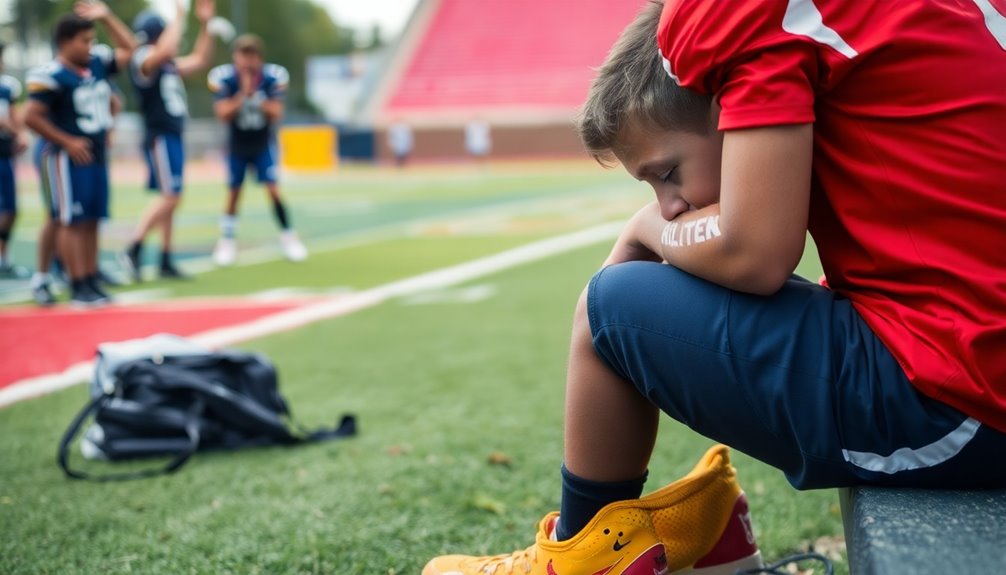
As young athletes face the physical challenges of sports, they often overlook the emotional and psychological toll that injuries can take. Injuries can shake your confidence and lead to feelings of isolation. Building emotional resilience is vital, but it’s also essential to seek psychological support during recovery.
- Increased anxiety about returning to play
- Difficulty in maintaining friendships with teammates
- Struggles with self-esteem and identity
Recognizing these impacts can help you address them proactively. Talk to coaches or counselors, and lean on friends and family for support. Additionally, fostering strong communication skills with coaches and teammates can create a supportive environment that eases the psychological burden of injury.
Lost Opportunities: Missing Out on Team Activities and Competitions
Injuries can lead to more than just physical pain; they also result in lost opportunities that can affect young athletes deeply. When you’re sidelined, you miss team activities and competitions, which can strain your relationships and lead to lost friendships.
Watching from the sidelines while your teammates bond and celebrate victories can make you feel isolated and disconnected. This separation doesn’t just impact your social life; it can also contribute to decreased confidence. You might start doubting your abilities and feel anxious about returning to the field or court.
It’s essential to recognize these emotional costs, as they can linger long after the physical injury heals. Prioritizing your health and recovery is vital to reclaiming those lost opportunities. Emphasizing fun in practices can help maintain motivation and a passion for the game, even during recovery.
The Role of Coaching and Parent Support in Injury Prevention
While you might focus on skill development and competition, the influence of coaching and parental support is essential in preventing youth sports injuries. Effective coaching strategies not only enhance performance but also prioritize safety.
When coaches emphasize proper techniques and injury prevention practices, young athletes are less likely to get hurt. Parental involvement plays a significant role too, as your encouragement can motivate your child to communicate about discomfort or fatigue. Incorporating dynamic warm-up techniques into practice routines can further enhance athletes’ readiness and reduce injury risks.
- Establish open lines of communication between coaches, parents, and athletes.
- Encourage athletes to report any pain or unusual feelings during practices and games.
- Promote balanced training schedules to avoid overuse injuries.
Essential Safety Gear: What Every Young Athlete Needs
When it comes to keeping young athletes safe, having the right gear is essential.
You’ll want to make certain they wear helmets for head protection, select proper footwear, and use padding to guard against impacts.
Each piece of safety gear plays an important role in preventing injuries and promoting a positive sports experience. Additionally, using non-metal football cleats can help minimize ankle injury risks and ensure better grip on the field.
Helmets For Head Protection
Helmets play an essential role in protecting young athletes from head injuries during sports activities.
With advancements in helmet technology, these crucial pieces of equipment have become more effective in concussion prevention. Ensuring your child wears a properly fitted helmet can greatly reduce the risk of serious injuries.
- Choose helmets that meet safety standards and are appropriate for the specific sport.
- Regularly inspect helmets for damage, replacing them if necessary.
- Educate young athletes on the importance of wearing their helmets at all times during play.
Proper Footwear Selection
Choosing the right footwear is essential for young athletes, as appropriate shoes can greatly reduce the risk of injuries and enhance performance.
Start by considering the footwear materials—opt for breathable, durable options that suit the specific sport. For instance, running shoes often use lightweight mesh, while soccer cleats feature sturdy leather or synthetic uppers for better control.
Next, proper shoe fitting is vital. Always measure your child’s feet regularly, as they can grow quickly.
Make sure there’s a thumb’s width of space between the toes and the shoe’s end, ensuring comfort without excessive movement.
Encourage your young athlete to try on shoes with the socks they’ll wear during activities, as this helps in finding the perfect fit and support.
Padding For Impact Safety
Selecting proper footwear can set the stage for a safe and enjoyable sports experience, but it doesn’t end there.
To truly protect young athletes, you need to prioritize padding for impact safety. The right padding can greatly enhance padding effectiveness and improve impact absorption, reducing the risk of injuries.
Consider these essential safety gear items:
- Knee and elbow pads: They cushion joints during falls, minimizing bruises and fractures.
- Shin guards: Perfect for sports like soccer, they shield legs from hard kicks and impacts.
- Helmets: Essential for contact and high-speed sports, they protect the head from severe injuries.
Investing in quality padding gear not only guarantees safety but also boosts confidence in young athletes.
Training Techniques to Minimize Injury Risk
To effectively minimize injury risk in youth sports, incorporating proper training techniques is essential. Start by focusing on injury prevention strategies that emphasize proper form and technique during practices.
Strength conditioning plays a significant role in building the muscles needed to support joints and reduce the likelihood of injuries. Make sure to include exercises that target core stability, flexibility, and balance. Incorporating drills such as Pain Shuttles Drill can enhance endurance and speed while preparing athletes for the demands of their sport.
Tailor training sessions to the specific demands of your sport, gradually increasing intensity and volume to avoid overuse. Encourage adequate rest and recovery, as pushing through fatigue can lead to injuries.
Finally, educate young athletes about the importance of listening to their bodies and communicating any discomfort to coaches, fostering a culture of safety and awareness.
Recognizing the Signs of Injury: When to Seek Help?
Even with the best training techniques, injuries can still occur in youth sports. Recognizing the signs of injury is essential for athlete awareness and ensuring timely help.
Pay attention to the following injury symptoms:
- Persistent pain that doesn’t improve with rest
- Swelling or bruising around the injury site
- Limitations in movement or loss of strength
If you notice any of these symptoms, don’t hesitate to seek help. Early intervention can prevent more severe injuries and long-term issues. Incorporating dynamic stretching into warm-ups can significantly reduce the risk of injuries and improve performance.
Encourage open communication with your young athlete—let them know it’s okay to voice their concerns. By staying alert and proactive, you can help them safely navigate their sports journey and enjoy their activities without undue risk.
Conclusion
As you navigate the world of youth sports, remember that injuries can have hidden costs beyond just medical bills. By investing in safety gear, fostering open communication with coaches, and prioritizing proper training techniques, you can help protect your young athlete from unnecessary setbacks. Don’t let a preventable injury turn their dreams into dust—be proactive and supportive. After all, every game matters, and those moments on the field can shape their future in ways you might not realize.