
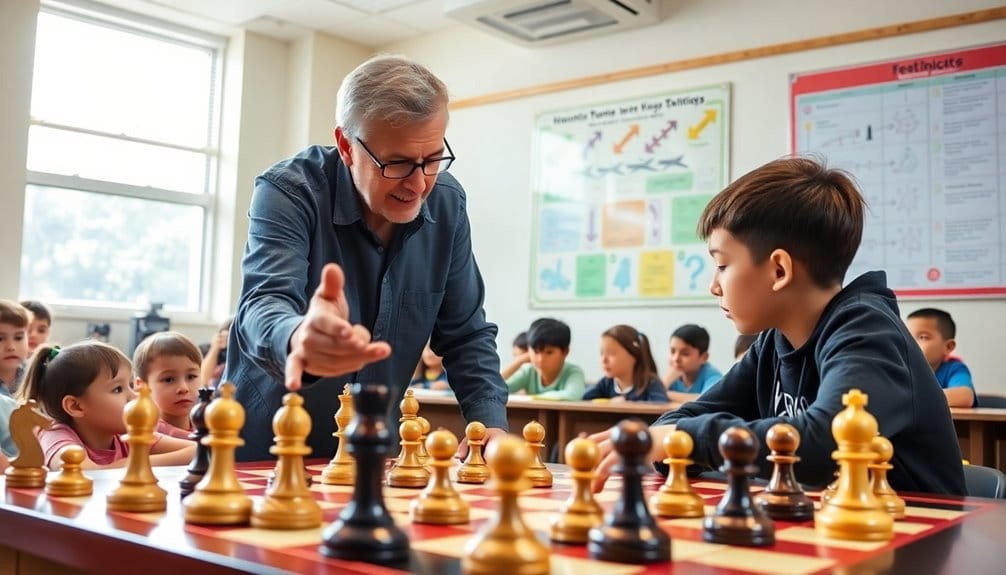
Strategy Lesson Plan for Beginner Players
May 9, 2026Creating a strategy lesson plan for beginner players involves focusing on the basics of various games. Start with simple mechanics that emphasize planning and decision-making. Introduce key strategies for chess, popular card games, and essential board game tactics. Encourage practice sessions that challenge their decision-making skills and adaptability. Integrate lessons on anticipating opponents’ moves and resource management. This foundation will boost their confidence and ability. Explore further to uncover even more strategies to enhance your gameplay.
Understanding the Basics of Strategy Games

Strategy games are like mental chess matches that challenge your planning and decision-making skills. Understanding the basics of these games involves grasping their game mechanics. You’ll need to learn how each piece or unit operates and how they interact with one another. This foundation sets the stage for effective tactical thinking.
As you explore, focus on positioning, resource management, and anticipating your opponent’s moves. Each decision you make can alter the game’s outcome, so think ahead. Additionally, incorporating strategies from flag football plays can enhance your tactical approach to outmaneuvering opponents.
Practice helps you recognize patterns and develop strategies that suit your style. Ultimately, mastering these elements allows you to enjoy the thrill of strategy games, sharpening your mind while you navigate complex scenarios and outsmart your opponents.
Key Strategies for Chess Beginners
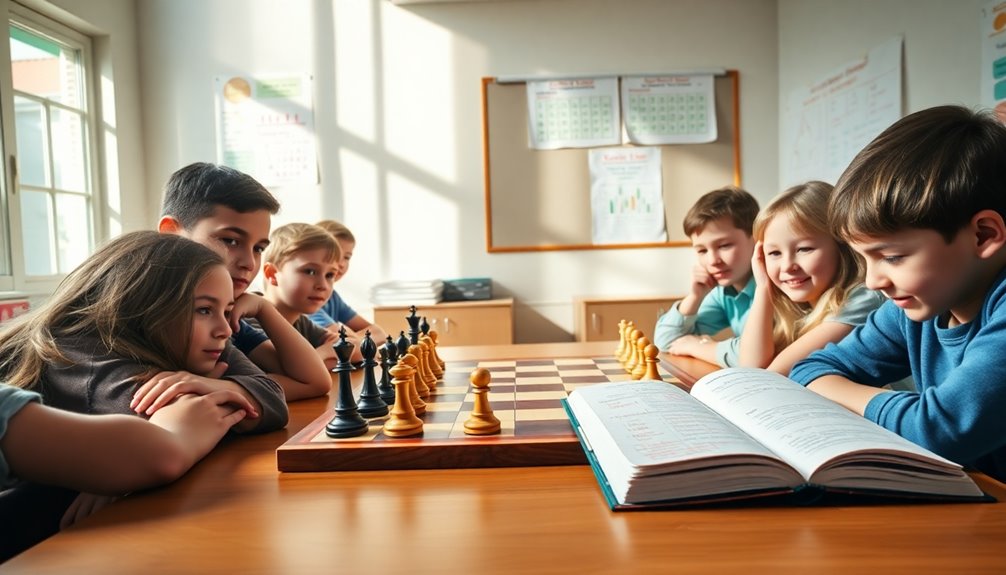
Having a solid understanding of game mechanics sets you up for success, especially in chess, where strategic thinking is key. Focus on the opening principles: control the center, develop your pieces quickly, and guarantee king safety through castling. These fundamentals will give you a strong foundation.
Next, familiarize yourself with tactical motifs like forks, pins, and discovered attacks. Recognizing these patterns can turn the tide in your favor. Always look for opportunities to create threats, forcing your opponent to react to your moves. Additionally, consider applying key strategies from other sports, such as soccer, which emphasize the importance of positioning and teamwork.
Lastly, practice regularly. The more you play, the better you’ll become at spotting strategies and tactics.
Keep these key strategies in mind, and you’ll see improvement in your game and confidence at the board.
Essential Tips for Card Game Strategy

To master card games, you need to grasp the basic rules first.
Pay attention to how your opponent plays, as their behavior can reveal valuable insights.
These simple strategies can greatly boost your game performance. Additionally, understanding passing drills can enhance your teamwork and communication skills, which are crucial in many card games.
Understand Basic Rules
Understanding the basic rules of a card game is essential for developing a solid strategy. By grasping the game mechanics, you’ll navigate player turns with confidence and purpose.
Here are some key points to focus on:
- Card Values: Know how each card ranks and its impact on gameplay.
- Turn Structure: Familiarize yourself with the sequence of actions during each turn.
- Winning Conditions: Understand what it takes to win and when the game ends.
- Special Abilities: Learn any unique powers cards may have and how they can change the game.
- Rules Variants: Be aware of any house rules or variations that could affect strategy.
Mastering these basics lays the groundwork for more advanced tactics in your card-playing journey.
Observe Opponent Behavior
While you focus on your own strategy, paying attention to your opponents can reveal crucial insights into their gameplay. Observe their moves closely; you’ll start to notice opponent tendencies that can inform your decisions. Are they aggressive or conservative? Do they bluff often? These patterns can help you anticipate their next actions.
Look for reading cues, like facial expressions or body language, which might signal whether they’re confident or hesitant.
Don’t just concentrate on your cards—understanding how your opponents think can give you a significant advantage. Use this knowledge to adjust your strategy in real time, whether it means playing more defensively or taking calculated risks.
Mastering this skill will elevate your game and increase your chances of winning.
Board Game Tactics Every New Player Should Know
Here are some essential tactics to keep in mind:
- Control the center: Dominating the center of the board often gives you more options.
- Watch your resources: Manage your assets wisely to maintain an advantage.
- Anticipate moves: Predict your opponents’ strategies to counter effectively.
- Adapt your strategy: Stay flexible and adjust based on game dynamics.
- Collaborate when needed: Sometimes, teaming up can be beneficial to take down a stronger opponent.
- Understand player conduct: Following sportsmanship and respect can enhance your gameplay experience and foster a better environment.
Practicing and Improving Your Strategic Skills
To sharpen your strategic skills, engage in practice sessions that challenge your decision-making. Focus on tactical decision making by playing games that require quick thinking and adaptability. Analyze each move to understand its impact on your overall strategy.
Consider your opponent’s potential responses and how they might affect your strategic planning. Regularly review your gameplay to identify patterns and areas for improvement.
Set specific goals for each session, such as enhancing your ability to anticipate moves or developing better resource management skills. Don’t hesitate to experiment with different approaches; this will deepen your understanding of various tactics. Additionally, practicing effective communication is vital for executing strategies successfully on the court.
Resources and Tools to Enhance Your Strategy Game Knowledge
Here are some essentials to enhance your strategy game knowledge:
- Books on Game Theory: Explore classic texts that break down strategic thinking.
- Online Forums: Engage with communities where players share tips and strategies.
- YouTube Tutorials: Watch experts analyze game mechanics and strategies in real-time.
- Strategy Apps: Use mobile apps designed to improve your resource management and decision-making skills.
- Practice Simulations: Experiment with various scenarios to test and refine your strategies.
Utilizing these resources will sharpen your skills and deepen your appreciation for the complexities of strategy gaming, much like the diverse athletes in basketball who influence playing styles and strategies.
Conclusion
You’ve now got the foundational strategies to plunge into the world of games. Remember, practice makes perfect, so don’t hesitate to put your skills to the test. Whether you’re maneuvering pieces on a chessboard or outsmarting opponents in a card game, keep your wits about you. With these tips in your back pocket, you’re well on your way to mastering the art of strategy. So, go ahead and seize the day—your next victory awaits!