
How to Coach Soccer: A Step-by-Step Guide for Beginners
February 28, 2025Last updated: · By Jake Turner
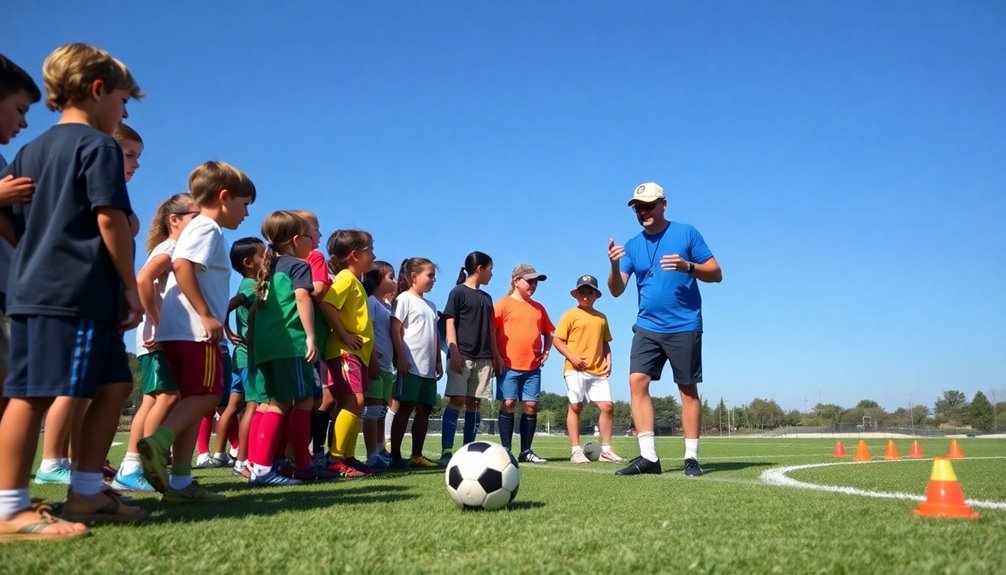
To coach soccer well, you need to know the rules well enough to teach them, build a short list of core skills through plenty of ball touches, plan safe and engaging practices, and handle injuries by the book. This coaching soccer guide covers each area in the order a first-time coach is likely to need it. If you coach children, the safety steps matter as much as the tactics.
Key Takeaways
- The CDC offers a free online course, HEADS UP to Youth Sports Coaches, that teaches coaches to recognize possible concussion signs and when to remove an athlete from play.
- The CDC advises coaches not to judge concussion severity themselves and to keep a athlete with a suspected concussion out of play the same day.
- A survey of youth soccer coaches found that fewer than a third had used a lower-limb injury prevention program in the prior season.
- A 2019 review in Pediatrics reports sharp rises in youth soccer concussions and identifies prevention programs that can lower injury risk.
- A goal kick is awarded when an attacker last touched the ball before it crossed the goal line, and a corner kick is awarded when a defender did.
What Are the Basic Rules of Soccer You Need to Teach?
The core rules you need to teach are the restarts after the ball leaves the field, the handling rules, and the offside rule for the age group you coach. Most stoppages in a game come down to who last touched the ball before it went out. Your league rulebook has the final word, so confirm the age-group rules before your first session.
| Restart | When it is awarded | How it is taken |
|---|---|---|
| Throw-in | The whole ball crosses a touchline | By a player from the team that did not touch it last, with both feet on the ground and both hands from behind and over the head |
| Goal kick | An attacker last touched the ball and it crosses the goal line without going in | By a defending player, usually the goalkeeper, from inside the goal area |
| Corner kick | A defender last touched the ball and it crosses the goal line without going in | By an attacking player from the corner arc |
Teach players to notice who touched the ball last before it leaves the field, because that decides every restart. Goalkeepers may handle the ball only inside their own penalty area. Outside it, every outfield player must use feet, head, or body.
For field sizes and line markings by age group, see our guide to soccer field dimensions, markings, and rules.
What Is the Offside Rule for Youth Players?
A player is offside when they are closer to the opponent’s goal line than both the ball and the second-to-last defender at the moment a teammate plays the ball to them, and they are in the opponent’s half. A player is not offside if they receive the ball directly from a goal kick, throw-in, or corner kick. Many recreational leagues do not enforce offside for the youngest players, so check your league’s age rules before you teach it.
What Skills Should You Teach Beginning Players First?
Teach dribbling, passing, receiving, shooting, and defending first, because every position uses them. Young players need control of the ball before they can understand tactics. Keep each session focused on one or two skills so players can practice them repeatedly.
How Do You Teach Dribbling and Passing?
Dribbling starts with small touches that keep the ball close to the feet, then moves to changes of direction and step-over moves once control is reliable. Passing focuses on accuracy and the right weight so a teammate can keep possession. For players around six years old, our fun 6U soccer drills for beginners offer simple activities that build these touches.
How Do You Teach Shooting and Defending?
For power, teach players to strike with the laces, the part of the foot over the shoelaces. For accuracy near goal, teach a shot with the inside of the foot. In defense, players should pressure the ball, close down space, move their feet to stay balanced, and keep the team compact so opponents have fewer passing options.
Use this four-step method to teach any skill:
- Demonstrate the technique slowly and give one clear coaching cue.
- Let players repeat it with no defender so they can focus on the technique.
- Add light pressure from a defender.
- Use the skill in a small-sided game.
How Should You Plan Practice Sessions?
Plan practices so every player is touching a ball for most of the session, and keep lines, waiting, and lectures short. Players learn by doing, so activities with many touches and frequent changes work better than long explanations. Start each session with a warm-up and end with a short game.
What Belongs in a Pre-Practice Safety Checklist?
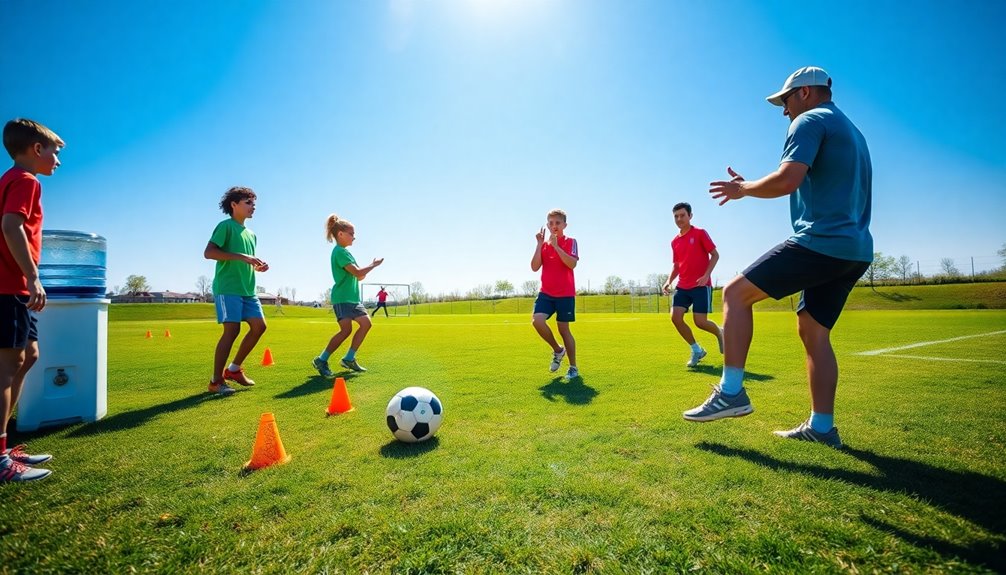
A short checklist prevents most avoidable problems before players arrive. Check the field and equipment every session, and keep a plan for emergencies.
- Inspect the field for holes, glass, and standing water before players arrive.
- Bring a first aid kit, water, and enough balls and cones for every activity.
- Keep a current roster with parent contact details and any medical notes.
- Confirm that a designated adult knows the emergency procedure and the nearest phone access.
How Do You Keep Practices Fun and Creative?
Use game-based activities that require players to make decisions, such as small-sided games with specific scoring rules. Ask open-ended questions like ‘Where is the open space?’ so players learn to read the game. Our collection of soccer games that improve skills without boring drills includes ideas you can adapt for any age.
How Do You Handle Injuries and Concussions as a Coach?
Remove any player who may have a concussion from play the same day, and do not try to judge how serious the injury is yourself. A concussion is a traumatic brain injury, and the CDC’s fact sheet for youth sports coaches advises that coaches keep a suspected-concussion athlete out of play the same day. The CDC also offers a free online concussion training course for youth sports coaches that teaches you to recognize possible signs during practice or games.
Soccer injuries are a growing concern for youth coaches. A 2019 review in Pediatrics, the journal of the American Academy of Pediatrics, reports sharp rises in youth soccer concussions and identifies modifiable risk factors and prevention programs. You can read the full review of soccer injuries in children and adolescents for specifics.
What Should You Do if a Player May Have a Concussion?
- Remove the player from play right away, even if symptoms seem mild or go away quickly.
- Do not let the player return to play the same day.
- Tell the parents or guardians what happened and what you observed.
- Arrange a medical evaluation, and follow the healthcare provider’s written guidance before any return to play.
Many states have laws that require a healthcare provider’s clearance before a youth athlete returns after a suspected concussion, so check your state rules as well.
How Can You Reduce Injury Risk in Practice?
Build injury prevention into your warm-up instead of treating it as an extra session. A survey of youth soccer coaches, indexed in PubMed Central, found that fewer than a third had used a lower-limb injury prevention program in the prior season. Include balance, landing, and cutting work in every warm-up, and keep it short enough that players do it consistently.
How Do You Work With Parents and Build Team Dynamics?
Set clear expectations with parents in writing before the first practice, then communicate regularly throughout the season. Parents who understand your rules, schedule, and sideline standards are easier to work with and better able to support their children. Give them specific ways to help rather than leaving roles unclear.
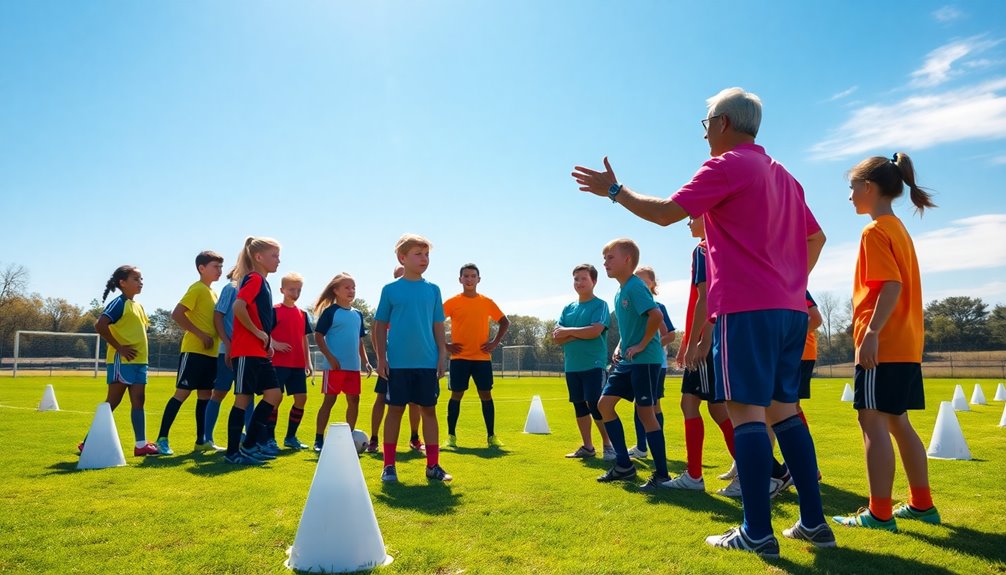
Ways to engage parents include:
- Taking on team jobs such as organizing snacks, equipment, or carpools.
- Agreeing to sideline behavior guidelines that focus on encouragement and respect for referees.
- Recognizing effort and improvement publicly, not just results.
Hold a short preseason meeting to explain your coaching approach, the practice schedule, and how you will communicate injuries and playing time. Keep an open-door policy for questions, and handle concerns privately and promptly.
What Coaching Philosophy Should You Adopt?
Prioritize player development and enjoyment over winning, especially with young players who are still learning the game. A clear philosophy guides every decision, from playing time to how you respond to mistakes. Write down your priorities so you can check your choices against them during the season.
A player-centered approach gives players room to make decisions and solve problems on their own. Reinforce teamwork and communication, and review your approach based on player feedback. Once players are older, help them understand where they fit with a guide to soccer positions in 7v7, 9v9, and 11v11 formations.
Frequently Asked Questions
Do I Need Playing Experience to Coach Youth Soccer?
Playing experience helps, but it is not the only requirement. Many youth clubs offer introductory coaching courses and require background checks before you start. Clear knowledge of the rules and training in player safety matter more for beginners than a playing résumé.
At What Age Should Players Learn the Offside Rule?
Many recreational leagues do not enforce offside for the youngest players, so the answer depends on your league’s age-group rules. Introduce the concept once players can read the ball and their teammates consistently. Focus on the idea of staying onside first, then add the details as players improve.
How Long Should a Youth Soccer Practice Last?
There is no single correct length, because the right session depends on the age and attention span of your players. Keep activities short and change them often so players stay engaged. Use a short game at the end, when players are most motivated to compete.
What Should I Do if a Player Takes a Hit to the Head?
Stop play and check the player for concussion signs, following the same steps as any suspected concussion. Remove the player from activity and do not let them return the same day. Contact the parents and arrange a medical evaluation, and do not return the player until a healthcare provider has cleared them.
Is the CDC Concussion Course Required for Coaches?
The CDC’s HEADS UP online course for youth sports coaches is free and available to anyone who coaches. Requirements vary by state and league, so check the rules where you coach. Completing the course is a practical way to learn the warning signs before you need them.
Conclusion
A strong coaching soccer guide starts with the basics: teach the rules and restarts accurately, build skills through many ball touches, and plan practices that keep players active and learning. Safety belongs in every session, including a pre-practice checklist, a same-day concussion rule, and a warm-up that supports injury prevention. Keep parents informed and make enjoyment and development your priorities, and you will give your players a solid start.
More on Coaching Soccer Guide
Related guides: 15 Fun Soccer Games That Improve Skills Without Boring Drills · Know Your Role: A Complete Guide to Soccer Positions in 7v7, 9v9, and 11v11 Formations · “What’s a Draw in Soccer?” A Guide to Soccer Rules and Lingo
Free tools: Keto Macro Calculator · Keto Net Carbs Chart