
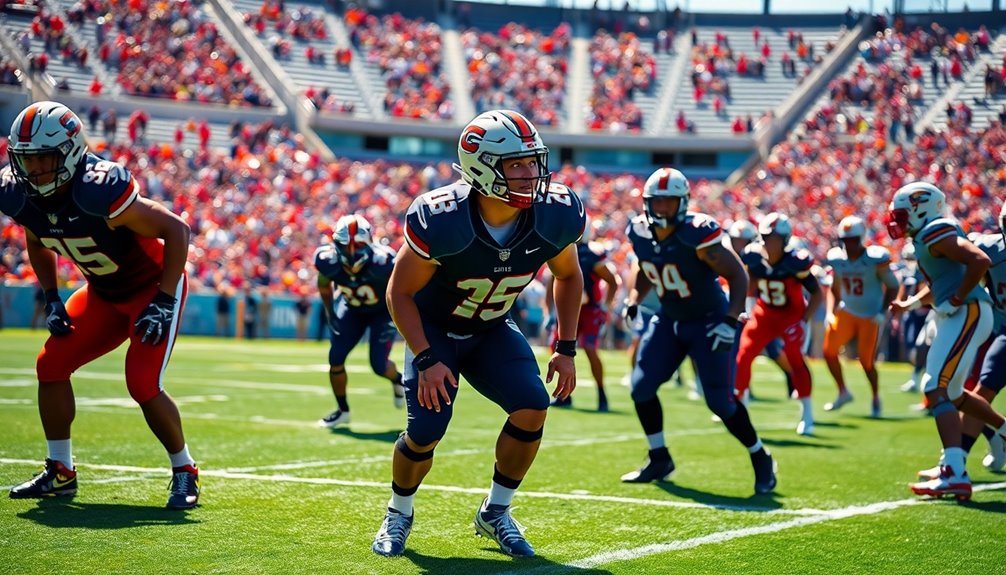
What Is an ATH Position in Football? Why It’s So Versatile
March 30, 2026The ATH position in football stands for “Athlete,” representing players who are versatile and can excel in multiple roles. These athletes adapt to various positions, enhancing team dynamics and strategy, particularly during injuries or tactical shifts. Their key attributes include exceptional athleticism and a high football IQ, making them invaluable assets. Coaches leverage their versatility for innovative game plans, creating mismatches. If you’re curious about standout ATH players and recruitment insights, stick around for more details!
What Is the Definition of the ATH Position in Football?
The ATH position in football, short for “Athlete,” represents players who bring versatility to the field. These players aren’t restricted to one role; they excel in multiple positions, such as wide receiver, defensive back, or dual-threat quarterback.
The ATH designation is especially prominent during high school and college recruiting, showcasing a player’s adaptability and potential to impact various positions on a team. Coaches value ATH players for their flexibility, allowing them to fill gaps in the roster due to injuries or strategic shifts during games.
While they mightn’t be listed on official depth charts, their unique skill sets make them essential for enhancing team dynamics and overall performance. Being an ATH player means embracing a multifaceted role in football. Additionally, their ability to execute quick passes can significantly influence offensive playcalling strategies during critical moments in games.
Why Are ATH Players Considered Versatile?
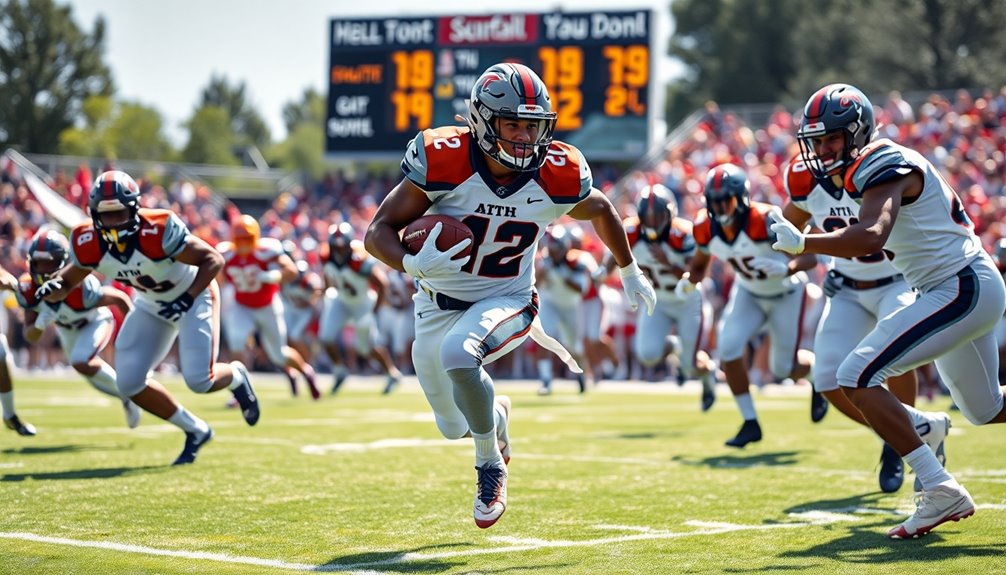
ATH players are considered versatile because they can adapt to multiple positions, making them invaluable on the field. This flexibility allows coaches to implement strategic game plans and exploit favorable matchups. With their diverse skill set, these athletes enhance team depth and provide options when injuries occur. Effective communication among ATH players also helps maintain coordination during plays, further maximizing their impact on the game.
Multiple Position Adaptability
While many players specialize in one position, those tagged as athletes (ATH) stand out because they can excel across multiple roles on the field. This multiple position adaptability allows teams to shift strategies effortlessly based on game situations and opponent matchups.
Common roles for ATH recruits, like wide receiver, defensive back, and running back, highlight their diverse skill sets. Their strong fundamentals, combined with speed and agility, make them invaluable assets in various positions. Coaches can fill roster gaps effectively, especially when injuries occur or specific game needs arise.
Ultimately, the versatility of ATH players not only enhances team depth but also provides the flexibility necessary for dynamic playbook execution and overall game success.
Strategic Game Planning Options
When you consider the evolving nature of football strategies, it’s clear that players who can shift seamlessly between positions offer a significant advantage. ATH players excel in this area, making them invaluable for strategic game planning.
Here’s why their versatility is essential:
- Adaptability: ATH players can fill various roles like wide receiver, linebacker, or safety, allowing coaches to adjust game plans based on opponents’ weaknesses.
- Exploiting Matchups: Their diverse skill sets enable them to effectively counter different defensive schemes, enhancing tactical options.
- Deeper Playbooks: ATH players contribute to more complex strategies, executing both offensive and defensive plays, which maximizes overall team performance.
Utilizing ATH players optimizes your game plans and keeps opponents on their toes.
Key Attributes That Make ATH Players Stand Out

Athleticism defines what makes ATH players exceptional on the football field. These athletes combine speed, agility, and strength, allowing them to excel in various positions like wide receiver, defensive back, or linebacker.
Their versatility shines through as they shift seamlessly between offensive and defensive roles, making them invaluable assets for strategic gameplay. Coaches actively seek ATH recruits for their adaptability, which lets teams adjust game plans based on matchups or injuries.
Additionally, many ATH players possess a strong understanding of the game, boasting high football IQs that enhance their decision-making. This ability to adapt to different formations not only fills roster needs but also boosts overall team depth and flexibility in play selection, ensuring a competitive edge throughout the season.
How Do Coaches Use ATH Players Strategically?
Coaches recognize the unique advantages ATH players bring to the field, using their versatility to craft strategic game plans. By leveraging the ATH label, they can adapt quickly to opponents’ strengths and weaknesses.
Here are three ways coaches use ATH players strategically:
- Tactical Flexibility: ATH players can switch positions, like moving from running back to wide receiver, allowing for dynamic plays.
- Exploiting Mismatches: By placing ATH players in varied roles, coaches can target weaknesses in opposing defenses, boosting offensive effectiveness.
- Creative Play-Calling: Coaches can implement unexpected formations and surprise tactics that can change the course of a game.
Utilizing ATH players not only enhances team depth but also prepares them for unforeseen challenges during the season.
The Importance of ATH in College Football Recruiting
While the landscape of college football continues to evolve, the ATH position has become essential in recruiting top talent. Coaches increasingly value the ATHLETE DESIGNATION because it signifies a player’s ability to adapt to multiple roles, from wide receiver to defensive back or dual-threat quarterback.
This versatility not only enhances team flexibility but also allows for strategic adjustments during games. Recruiters look for high athletic attributes in these players, ensuring they can fit various needs based on team dynamics and game situations. Additionally, the influence of diverse athletes in sports highlights the importance of adaptability and skill in maximizing player potential.
Examples of Notable ATH Players and Their Impact
When you think about notable ATH players like Trevon Diggs and Jabrill Peppers, their versatility really stands out. Their ability to excel in multiple positions not only enhances their individual performance but also allows coaches to craft innovative game strategies. You can see how this adaptability creates significant impacts on team dynamics and overall success. Additionally, their participation in various local leagues fosters a deeper understanding of teamwork and enhances their skills on the field.
Impact on Team Strategy
The versatility of ATH players, like Jabrill Peppers and Trevon Diggs, fundamentally reshapes team strategy in football. Their ability to switch between offensive and defensive roles allows coaches to employ a dynamic game plan.
Here’s how they impact team strategy:
- Mismatches: Coaches can use ATH recruits to exploit mismatches against opponents, adapting to various game situations.
- Depth Management: With the flexibility of ATH players, teams can effectively manage player fatigue and injuries, keeping performance levels high throughout the season.
- Creative Strategies: Their multifaceted skills enable teams to implement innovative offensive and defensive strategies, enhancing overall cohesion.
Versatility in Player Roles
ATH players like Jabrill Peppers and Trevon Diggs exemplify how versatility can transform a team’s dynamics. Their ability to excel in multiple positions on both offense and defense showcases just how impactful versatile players can be.
For instance, dual-threat quarterbacks can shift a team’s strategy by influencing both passing and rushing efforts, making them invaluable assets. Coaches appreciate ATH recruits like Michigan’s Jacob Oden and Mason Curtis, who enhance team depth by filling various roles as needed.
This adaptability allows teams to optimize matchups and address gaps caused by injuries or tactical shifts. By evaluating players for overall athleticism rather than specialization, teams can implement more creative strategies and dynamic gameplay that keeps opponents guessing.
How to Evaluate ATH Players During Recruitment
Evaluating ATH players during recruitment requires a keen eye for versatility, as these athletes often shine in multiple positions. Here are three key factors to contemplate:
- Physical Attributes: Assess speed, agility, and strength to gauge how well an athlete can perform in various roles.
- Tendency Indicators: Look for tendencies that suggest future positions, like a scrambler tendency pointing to a quarterback or a run stopper indicating a linebacker.
- Football IQ: Evaluate their understanding of the game; strong fundamentals are essential for adapting to different positions. Incorporating position-specific drills into their training can also highlight their adaptability and skill set.
Flexibility in your recruitment strategy is critical. Seek out ATH players who can meet immediate roster needs while also offering long-term potential across various positions.
This approach guarantees a well-rounded team.
The Future of the ATH Position in College Football
How can the ATH position shape the future of college football? As offenses grow more dynamic, the ATH role becomes vital. Coaches appreciate these versatile players who can easily switch between positions like wide receiver, running back, and defensive back, adapting to various game strategies. Notable ATHs like Jabrill Peppers and Trevon Diggs highlight how impactful these athletes can be across multiple facets of the game. The trend of recruiting ATH players is expected to rise, focusing on building depth and flexibility within teams. With flag football plays emphasizing speed and agility, the ATH designation signifies a shift toward multifaceted players, making them important in modern gameplay. Embracing this evolution could redefine how teams approach both recruitment and strategy.
Conclusion
In the grand scheme of football, you might think the ATH position is just a catch-all for players who don’t fit nicely into a box. Ironically, it’s that very flexibility that makes ATHs the superstars of the field. Coaches love their adaptability, yet you might find it amusing that the most sought-after athletes aren’t always the ones with a single specialty. So, next time you watch a game, keep an eye on those versatile ATHs; they’re often the real game-changers.