
Youth Sports Equipment Safety: 8 Red Flags to Avoid
February 23, 2026When it comes to youth sports equipment safety, be on the lookout for these eight red flags: ill-fitting gear, expired certifications, visible wear and tear, outdated materials, poor-quality materials, excessive reliance on hand-me-downs, non-compliance with sport-specific guidelines, and delayed replacement of gear. Ignoring these issues can increase injury risks and compromise safety. Stay proactive to keep your young athlete safe on the field, and you’ll find valuable tips on what steps to take next.
Understanding the Importance of Properly Sized Equipment
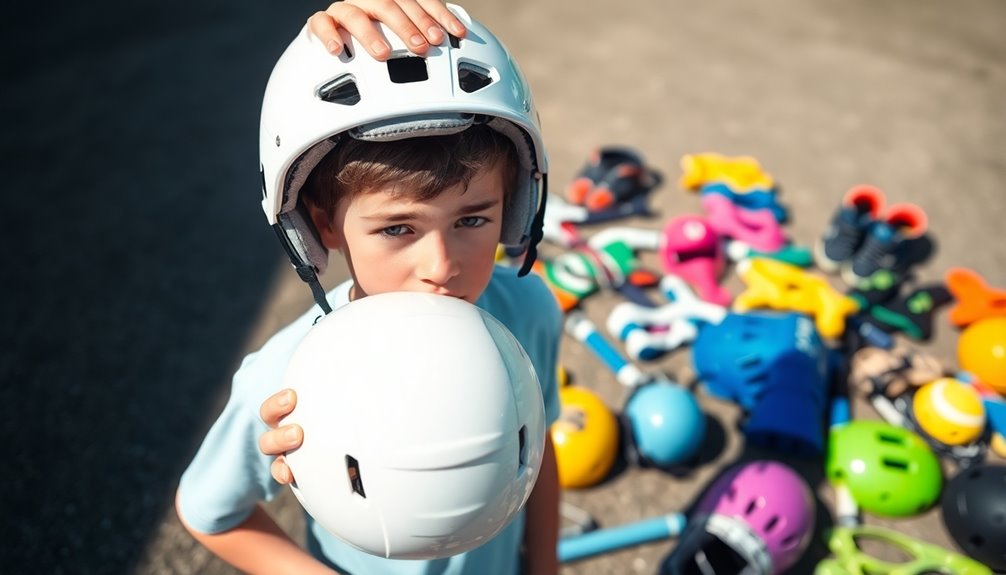
How can the right size of sports equipment enhance your child’s performance and safety? When your child uses gear that fits properly, it allows for better control and movement. Proper fit boosts their confidence, leading to improved performance on the field or court.
Additionally, well-fitting equipment plays an essential role in injury prevention. Ill-fitting gear can cause discomfort and distract your child, increasing the risk of accidents or injuries. For instance, oversized helmets or pads may not provide adequate protection, while cramped shoes can lead to blisters or sprains. Furthermore, accurate sizing contributes to overall athlete performance and can prevent injuries while enhancing gameplay, as noted in the equipment sizing charts.
Recognizing Outdated Safety Standards in Sports Gear
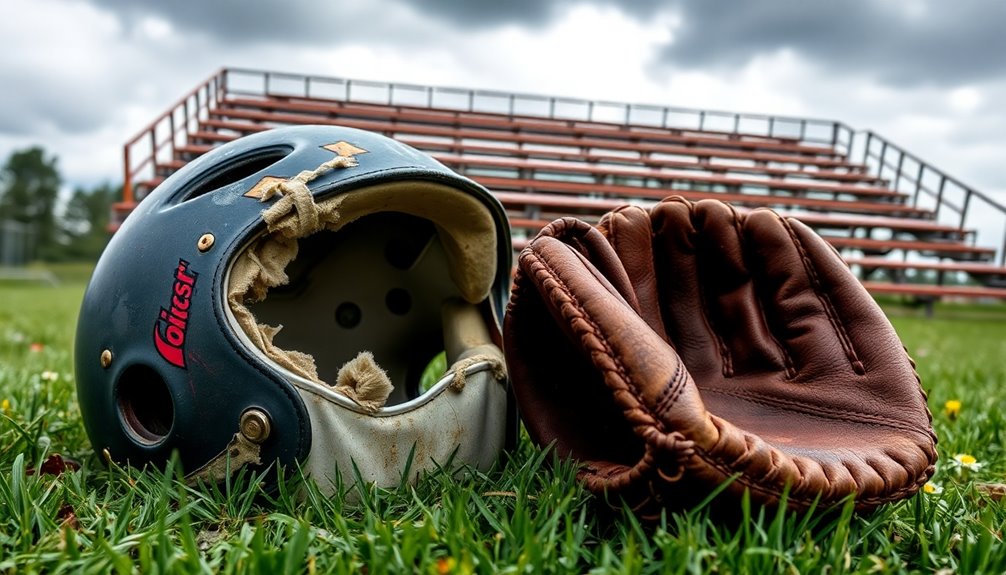
When you check your child’s sports gear, it’s essential to recognize signs of outdated safety standards. Look for expired certification labels and materials that may no longer meet current compliance issues. Ensuring proper safety testing can make all the difference in keeping young athletes safe. Additionally, be aware that certain items, such as customized items, cannot be returned if they do not meet safety standards.
Outdated Material Compliance Issues
Although many parents trust that youth sports equipment meets current safety standards, outdated material compliance issues can pose significant risks to young athletes.
It’s essential to recognize that materials can degrade over time, reducing their protective qualities. Equipment manufactured years ago may not comply with the latest safety regulations, exposing your child to unnecessary hazards.
Always check for compliance updates from manufacturers, as these can indicate when gear may no longer be safe. If you notice any signs of wear or material degradation, like cracks or fading, it’s time to replace that equipment.
Prioritizing safety means staying informed and ensuring your child uses gear that meets current standards, ultimately keeping them safer on the field.
Expired Certification Labels
While it’s easy to overlook certification labels on sports gear, recognizing expired ones is essential for your child’s safety. Expired labels can indicate that the equipment doesn’t meet current safety standards, putting your child at risk during play.
Certification importance can’t be stressed enough; these labels guarantee that the gear has been tested and deemed safe for use. Always check the dates on these labels before purchasing or using any equipment.
If the label is expired, it’s best to replace the item with one that has a current certification. Prioritizing safety means being vigilant about these details, so your child can enjoy sports without unnecessary dangers lurking in outdated gear.
Lack of Safety Testing
Even though many parents assume that all sports gear meets safety standards, a lack of safety testing can lead to serious risks.
Outdated safety regulations and insufficient testing protocols create a dangerous environment for young athletes. You should be aware of these red flags:
- Cracks or visible wear on helmets
- Missing certification labels on pads
- Inconsistent stitching on jerseys
- Unfamiliar brand names with no safety history
- Equipment that doesn’t fit properly
When you choose sports gear, verify that it’s thoroughly tested and meets current safety standards.
Don’t let outdated equipment jeopardize your child’s safety. Always prioritize gear that has passed rigorous safety testing to protect their health and well-being on the field.
Identifying Signs of Wear and Tear in Equipment
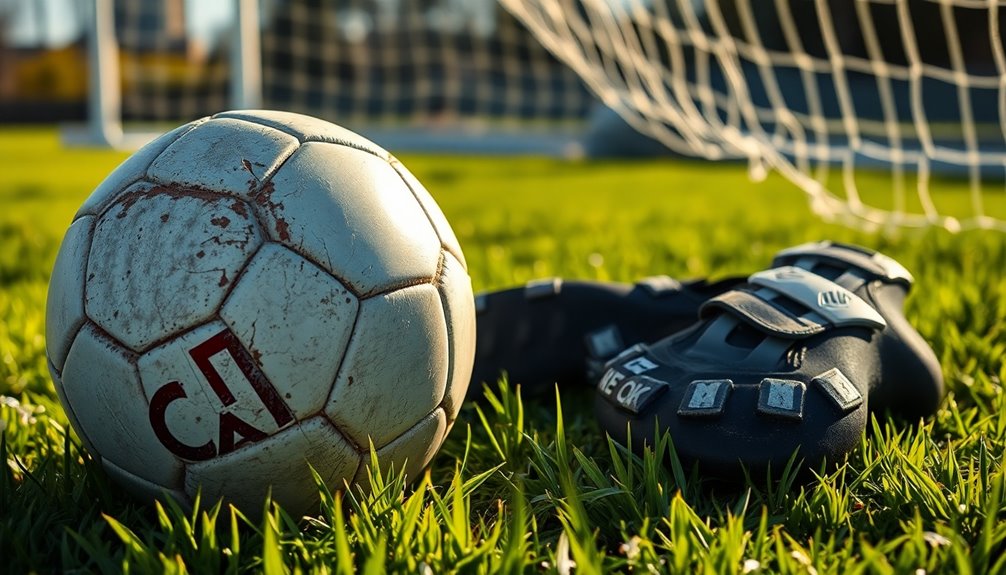
As you gear up for the next youth sports season, it’s essential to check your equipment for signs of wear and tear.
Start by looking for wear indicators, such as frayed straps on helmets or torn seams on uniforms. These signs can compromise safety and performance.
Inspect the surfaces of your gear for damage; chips, cracks, or dents can indicate that it’s time for a replacement.
Pay special attention to areas that experience high impact, like the soles of shoes or padding on protective gear.
If you notice any significant surface damage, it’s better to err on the side of caution. Ensuring that your gear meets mandatory protective gear standards can significantly enhance safety.
Regular checks can help guarantee your equipment remains safe, allowing your young athlete to play confidently.
Evaluating the Quality of Materials Used in Gear
Here are some key factors to take into account:
- High-quality plastics that resist cracking and fading
- Reinforced stitching for added durability in high-stress areas
- Breathable fabrics that wick moisture and prevent overheating
- Impact-resistant materials for protective gear like helmets and pads
- Lightweight composites that allow for easier movement without sacrificing strength
Prioritizing material durability during gear maintenance can save you from accidents and injuries down the line. Additionally, focusing on flexibility enhances joint mobility can further prevent injuries and improve overall performance.
Always invest in gear that meets your standards to guarantee a safe and enjoyable sporting experience.
Checking for Proper Certification and Safety Ratings
Before you hit the field, it’s essential to check that your sports equipment has the proper certifications and safety ratings. Look for labels from recognized certification sources like ASTM International or the Consumer Product Safety Commission.
These organizations guarantee that the gear meets specific safety standards designed to protect young athletes. Don’t just assume that all equipment is safe; always verify that it carries the appropriate seals of approval. This extra step can prevent injuries and give you peace of mind while your child plays. Additionally, be sure to select equipment that meets safety standards to further enhance protection against injuries.
Furthermore, familiarize yourself with any relevant safety organizations in your sport to stay updated on the latest safety standards. Prioritizing certified equipment is vital for guaranteeing a safe and enjoyable sporting experience.
The Risks of Using Hand-Me-Down Sports Equipment
While it might seem cost-effective to use hand-me-down sports equipment, doing so can pose significant risks to your child’s safety. You mightn’t be aware of the hand-me-down history behind that gear, which could harbor safety misconceptions.
Using hand-me-down sports equipment may save money, but it can jeopardize your child’s safety due to unknown risks.
Here are some potential dangers to weigh:
- Worn-out padding that fails to absorb impacts
- Cracked helmets that don’t protect against head injuries
- Ripped netting or broken strings compromising performance
- Outdated designs that don’t meet current safety standards
- Unadjusted sizes that lead to improper fit
Each of these factors can increase the likelihood of injury. Additionally, using equipment that is not designed to handle high-intensity demands can further compromise safety during sports activities.
Prioritizing your child’s safety means investing in reliable, certified equipment, rather than relying on hand-me-downs that may not be up to standard.
Awareness of Sport-Specific Equipment Requirements
Relying on hand-me-down sports equipment can lead to safety hazards, but understanding sport-specific equipment requirements is equally important for your child’s protection.
Each sport has its own set of sport-specific guidelines that dictate what gear is necessary to guarantee safety and performance. For instance, football helmets must meet specific safety standards, while baseball gear may require different specifications. Ensuring that your child has adequate leg strength can also prevent injuries during physical activity.
Familiarize yourself with these equipment regulations to avoid injuries and enhance your child’s experience. Check with coaches or local sports organizations to verify the gear you purchase meets the required safety standards.
Knowing When to Replace Sports Gear for Optimal Safety
Knowing when to replace sports gear is essential for maintaining your child’s safety and performance on the field. Understanding gear lifespan and establishing replacement intervals can prevent injuries and guarantee peak play.
Timely replacement of sports gear is crucial for ensuring your child’s safety and optimal performance during play.
Here are some red flags to watch for:
- Visible wear and tear: Cracks, frays, or dents can compromise safety.
- Decreased performance: If gear isn’t functioning as it should, it’s time to replace it.
- Poor fit: Equipment that no longer fits correctly can hinder performance.
- Age of the gear: Many items have a recommended lifespan; be mindful of this.
- Changing sports: If your child shifts to a new sport, they may need new gear.
Additionally, ensure that any protective gear, such as shin guards for lower leg protection, is regularly checked for effectiveness.
Conclusion
When it comes to youth sports, think of equipment like a trusty pair of running shoes. Just as you’d replace worn-out shoes to prevent injury, you need to make certain your child’s gear is safe and up-to-date. According to the Consumer Product Safety Commission, over 200,000 kids visit the ER each year due to sports-related injuries. Don’t let outdated gear put your child at risk. Keep an eye out for those red flags and prioritize their safety on the field.