

Youth Sports Injuries: 12 Warning Signs Every Parent Must Watch For
February 19, 2026As a parent, you should be on the lookout for warning signs of youth sports injuries. Pay attention to persistent pain, unexplained swelling, or changes in your child’s mood. If they’re reluctant to participate in activities they once loved or show visible signs of injury, such as limping or unusual movements, it’s time for a check-up. Recognizing these signs early can protect your child’s health. Keep going to uncover more essential information you need.
Understanding the Importance of Monitoring Youth Sports Injuries

In youth sports, injuries can happen more often than you’d think, making it important to monitor them closely.
You play an essential role in injury prevention by staying aware of your child’s physical and emotional well-being. Regularly check in on how they’re feeling after practices and games, as kids mightn’t always voice their discomfort. Encourage open communication about any pain or unusual feelings.
Parental awareness is imperative; knowing the signs of fatigue or overexertion can help you intervene before a minor issue escalates. By actively engaging and educating yourself about injury risks, you can create a safer environment for your child to thrive in sports while minimizing the likelihood of injury. Incorporating conditioning drills can also help ensure your child is physically prepared and reduce the risk of injuries.
Parental vigilance is key; recognizing fatigue signs allows for timely intervention, fostering a safer sports experience for your child.
Stay vigilant, and your involvement can make all the difference.
Common Types of Injuries in Young Athletes
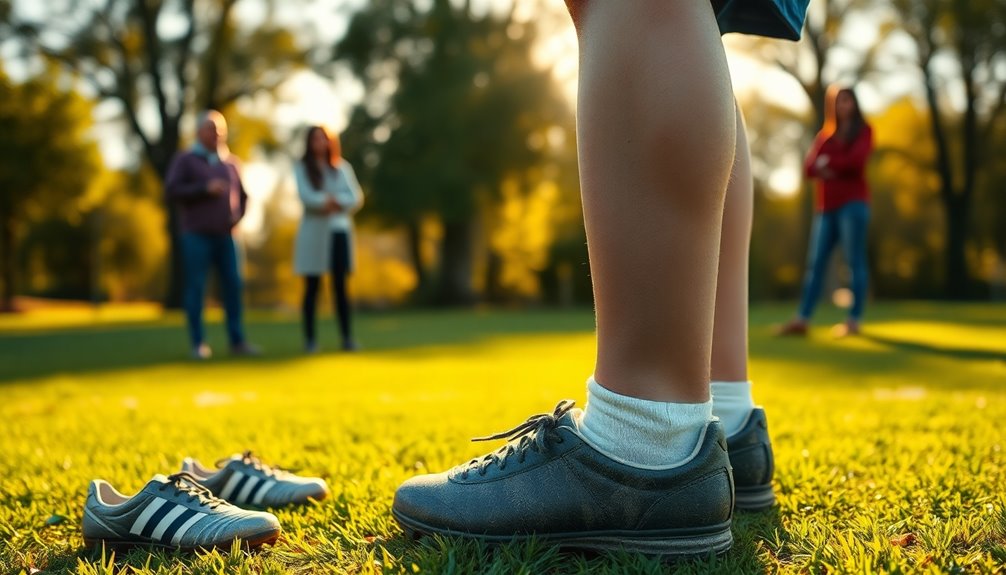
Youth athletes face a variety of injuries that can impact their performance and overall enjoyment of sports.
Understanding these common injuries will help you focus on sprain prevention and effective injury recovery strategies:
- Ankle Sprains: Twists and turns can lead to painful sprains.
- Knee Injuries: Overuse or sudden impacts can cause strains or tears.
- Shin Splints: Often a result of improper footwear or overtraining.
- Fractures: Falls or collisions can lead to broken bones.
- Tendinitis: Repetitive motions can inflame tendons, causing discomfort.
Recognizing these injuries early can help you guarantee your child gets the right care. Additionally, ensuring proper core strength exercises can help reduce the risk of such injuries during sports activities.
Persistent Pain: When to Take It Seriously?
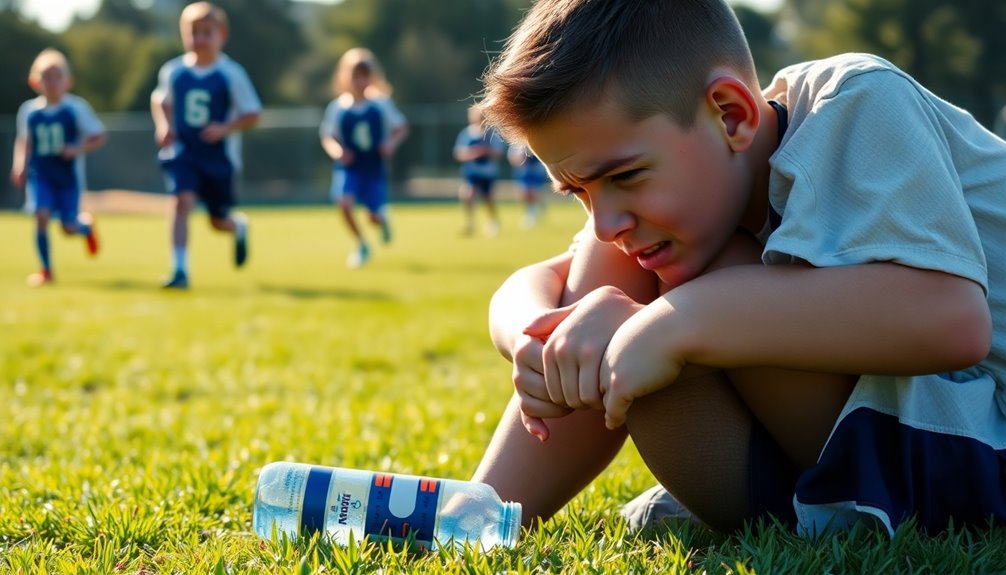
Persistent discomfort can signal an underlying injury that needs proper evaluation. Don’t assume they’ll just “tough it out” or that it’s a normal part of the game. Pay attention to how long the pain lasts and whether it interferes with their daily activities. If the pain persists beyond a few days or worsens, seek an injury evaluation from a qualified professional. Early intervention can prevent further complications and help your child return to the field stronger and healthier. Always prioritize their well-being over winning games. Incorporating proper stretching and injury prevention routines can also play a vital role in reducing the risk of injuries.
Unexplained Bruising or Swelling: What It Could Mean
Have you noticed any unexplained bruising or swelling on your child after practices or games? These symptoms can be concerning and might indicate underlying issues.
It’s essential to pay attention to these swelling signs and understand potential bruising causes.
Consider the following possibilities:
- A direct impact during play
- Overuse injuries from repetitive motions
- Blood clotting disorders
- Muscle strains or tears
- Infections or allergic reactions
If your child experiences bruising or swelling without apparent reason, it’s vital to consult a healthcare professional. Regular practice for team performance can sometimes lead to injuries, especially if proper technique is not maintained.
Ignoring these signs could lead to more severe injuries or complications. Always prioritize your child’s health by being proactive in addressing any unusual symptoms you observe.
Limited Range of Motion: Signs of a Potential Injury
When your child struggles to move a joint or limb as freely as usual, it could signal a potential injury. Limited range of motion often indicates an underlying issue that needs attention.
Watch for changes in your child’s mobility; limited movement may indicate an underlying injury that requires attention.
Watch for signs like stiffness, discomfort, or any reluctance to participate in activities. You can help by encouraging gentle flexibility exercises tailored to their needs, promoting mobility without strain. Incorporating dynamic stretching during warm-ups can also help enhance their flexibility and reduce the risk of injury.
If you notice persistent limitations, consult a healthcare professional for guidance on appropriate recovery techniques. They can create a personalized plan to restore your child’s range of motion safely.
Catching these signs early can prevent further complications and guarantee your child’s return to sports with confidence and strength. Always prioritize their health and well-being.
Frequent Headaches: A Warning Sign for Concussions
Frequent headaches can be more than just a nuisance; they might signal a concussion, especially in young athletes. If your child experiences recurring headaches, it’s essential to recognize potential concussion symptoms.
Pay close attention to these common headache triggers:
- Bright lights or loud noises
- Strenuous physical activity
- Stress or anxiety
- Lack of sleep
- Dehydration
If your child complains of headaches after a fall or collision, don’t dismiss it as just a bump. Extended halftime duration can provide essential recovery time, which highlights the importance of rest in sports.
Keep an eye out for accompanying symptoms like dizziness, confusion, or balance issues. Early recognition can make a significant difference in your child’s recovery. Always consult a healthcare professional to assess the situation and guarantee their safety in sports.
Changes in Performance: Recognizing the Red Flags
Changes in a young athlete’s performance can be a telling indication of underlying issues, including potential concussions. If you notice a sudden performance decline, it’s vital to pay attention. Your child might struggle to keep up with teammates or show signs of skill regression, like missing easy plays or losing focus.
These shifts are often subtle but can signal a more significant problem. Look for patterns, such as decreased enthusiasm or reluctance to participate in practice. Engaging in regular ball control techniques is essential for maintaining performance levels and confidence in young athletes.
It’s important to address these changes early. Ignoring them could lead to further injury or long-term consequences. Trust your instincts; if something seems off, consult a medical professional to guarantee your child’s safety and well-being in their sport.
Difficulty Walking or Running: Assessing the Cause
If your young athlete is experiencing difficulty walking or running, it’s vital to assess the underlying cause promptly. Ignoring this issue could lead to more severe injuries.
Conducting a gait analysis can help identify problems such as:
- Uneven strides or limping
- Pain in specific joints or muscles
- Stiffness or swelling in the legs
- Changes in foot position while running
- Fatigue that doesn’t match physical exertion
Understanding these signs is essential for injury prevention. You might want to consult a sports physician or physical therapist to evaluate their movement patterns and provide tailored exercises. Incorporating proper skating mechanics into their training can also enhance their overall performance and reduce the risk of injury.
Early assessment can guarantee your child stays active and healthy, allowing them to return to their favorite sports without lingering issues.
Increased Irritability or Mood Changes: Emotional Indicators of Injury
When your young athlete starts showing increased irritability or mood changes, it might signal an underlying injury. These emotional indicators can stem from physical pain that they may not fully understand or express.
It’s important to provide emotional support and create an open environment where they feel comfortable sharing their feelings. Encourage them to use coping strategies, such as deep breathing or talking about their frustrations, which can help them manage their emotions effectively. Additionally, recognizing the impact of fun practices on their overall well-being can support their emotional development and resilience.
Pay attention to shifts in their behavior, as these can be key signals of discomfort or distress. By addressing both their emotional and physical well-being, you can help your child navigate their feelings while ensuring they receive the care they need.
Refusing to Participate: Understanding Your Child’s Hesitation?
Why might your child suddenly refuse to participate in sports they once loved? There could be various reasons behind their hesitation, and it’s important to explore these feelings.
Providing emotional support and employing effective communication strategies can help uncover the root cause. Consider the following possibilities:
Emotional support and open communication can reveal the underlying reasons for your child’s reluctance to engage in sports.
- Fear of injury or past pain
- Pressure to perform or excel
- Lack of enjoyment or fun in the sport
- Peer dynamics or bullying concerns
- Changes in personal interests or priorities
Engaging in open conversations with your child can help them express their thoughts and feelings. Additionally, understanding the importance of defensive skills can provide a foundation for discussing concerns related to injury or performance anxiety.
Listen actively and validate their emotions, creating a safe space for them to share. Understanding their hesitation is the first step toward supporting their well-being and passion for sports.
Visible Changes: Swelling, Deformities, or Abnormal Movements
When you notice noticeable swelling, it could signal an injury that needs attention.
Obvious bone deformities or unusual movement patterns can also indicate something serious.
Recognizing these visible changes in your child can help you take the right steps toward recovery.
Noticeable Swelling Areas
Noticing swelling in a young athlete’s body can indicate an underlying injury that requires immediate attention. Swelling often results from trauma, overuse, or infection, and recognizing it early can lead to better treatment options.
Keep an eye out for these noticeable areas of swelling:
- A puffy ankle after a fall
- A swollen knee during play
- Enlarged wrists from repetitive motions
- Distended elbows post-throwing
- Inflamed joints after extensive running
These swelling causes can denote sprains, strains, or fractures. If you observe any of these symptoms, it’s essential to consult a healthcare professional.
Early intervention can greatly affect the recovery process and help your child get back to enjoying their sport safely.
Obvious Bone Deformities
Swelling can sometimes mask more serious issues, such as obvious bone deformities. If you notice any visible changes in your child’s limbs—like unusual angles or bulges—don’t ignore them.
These obvious deformities could indicate bone fractures or other significant injuries. Pay attention to how your child’s bone structure looks after a fall or collision. If something doesn’t seem right, it’s essential to seek medical attention immediately.
Early detection can prevent further complications and guarantee proper healing. Remember, even minor injuries can lead to serious consequences if left untreated.
Always trust your instincts as a parent; if you feel something’s off, you’re likely right. Your child’s health and safety should always come first.
Unusual Movement Patterns
While watching your child play sports, you might notice unusual movement patterns that could signal an underlying issue. Pay attention to any signs that indicate something’s not quite right, as these could lead to injuries if ignored.
Look for:
- An abnormal gait, like limping or dragging a foot
- Difficulty with balance, causing frequent falls
- Compensatory movements, such as favoring one side
- Unusual joint angles during activities
- Swelling or tenderness around joints
These symptoms might suggest strain or injury and shouldn’t be overlooked.
If you observe these changes, it’s important to consult a medical professional for a thorough evaluation. Early intervention can help your child return to the game safely and effectively.
Seeking Professional Help: When to Consult a Doctor
If your child’s experiencing persistent pain or a limited range of motion after a sports injury, it’s time to consult a doctor.
Ignoring these signs can lead to more serious issues down the road.
Acting quickly guarantees your child gets the right care and can return to their favorite activities safely.
Persistent Pain Concerns
When persistent pain lingers after a sports injury, it’s essential to seek professional help. Ignoring chronic pain can lead to further complications and hinder your child’s ability to participate in sports.
Watch for these warning signs:
- Unexplained swelling around the injury site
- Increased pain during physical activity
- Pain that persists even with rest
- Changes in your child’s mood or behavior
- Difficulty sleeping due to discomfort
Addressing these issues promptly can greatly aid in injury prevention and guarantee your child receives appropriate care.
Don’t hesitate to consult a doctor if you notice any of these signs; early intervention is key to a successful recovery and can help your child return to the game stronger than before.
Limited Range of Motion
Limited range of motion can be a significant indicator that your child needs professional help after a sports injury.
If you notice your child struggling to move a joint or limb as they usually would, it’s time to consult a doctor. This limitation mightn’t just be a sign of injury; it could also lead to long-term issues if left unaddressed.
A healthcare professional can assess the situation and recommend appropriate rehabilitation exercises to restore mobility. Early intervention is key for effective recovery and injury prevention.
Don’t wait for the problem to worsen; seek help promptly. By addressing limited motion early, you can help your child get back to their favorite sports activities safely.
Conclusion
To sum up, staying vigilant is key. Watch for persistent pain, monitor unexplained bruising, and notice limited range of motion. Pay attention to mood changes, respect your child’s hesitations, and recognize visible signs of injury. By being proactive, you’re not just protecting your child’s physical health; you’re also supporting their emotional well-being. So, trust your instincts, seek professional help when needed, and make sure your young athlete stays safe and healthy on the field.