
Rally Lesson Plan for Coaches
May 5, 2026As a coach, your rally lesson plan should focus on key skills like communication, positioning, and timing. Start with engaging drills that cater to different skill levels, ensuring players build confidence and adaptability. Foster teamwork through collaborative activities and set clear goals to track progress. Incorporate feedback to help players improve and create a positive atmosphere that encourages growth. By following these strategies, you’ll enhance your coaching effectiveness and boost player development for successful rallies. You’ll discover even more useful tips ahead!
Understanding the Basics of Rallying
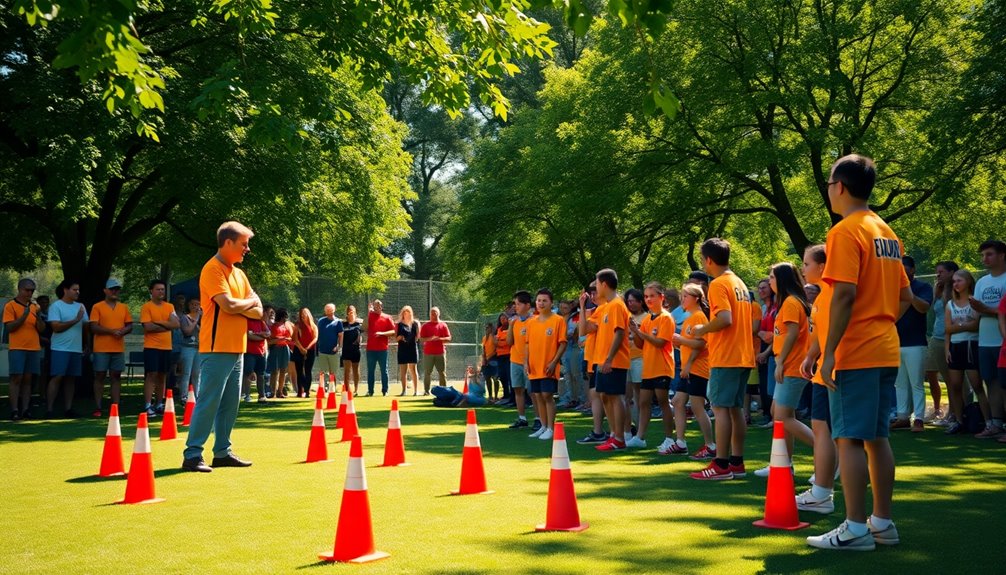
Rallying isn’t just about speed; it’s about mastering control and teamwork. To truly excel in rallying, you need to focus on effective rally techniques that enhance coordination among players.
Encourage them to communicate clearly, as this fosters trust and improves performance on the court. You should emphasize the importance of positioning and timing, which are essential for executing successful rallies.
Additionally, player motivation plays a key role in their development. Inspire them to push their limits and embrace challenges, creating a positive atmosphere that drives improvement. Incorporating teamwork and communication can significantly enhance their coordination and overall performance in rallies.
Key Skills for Effective Rallying
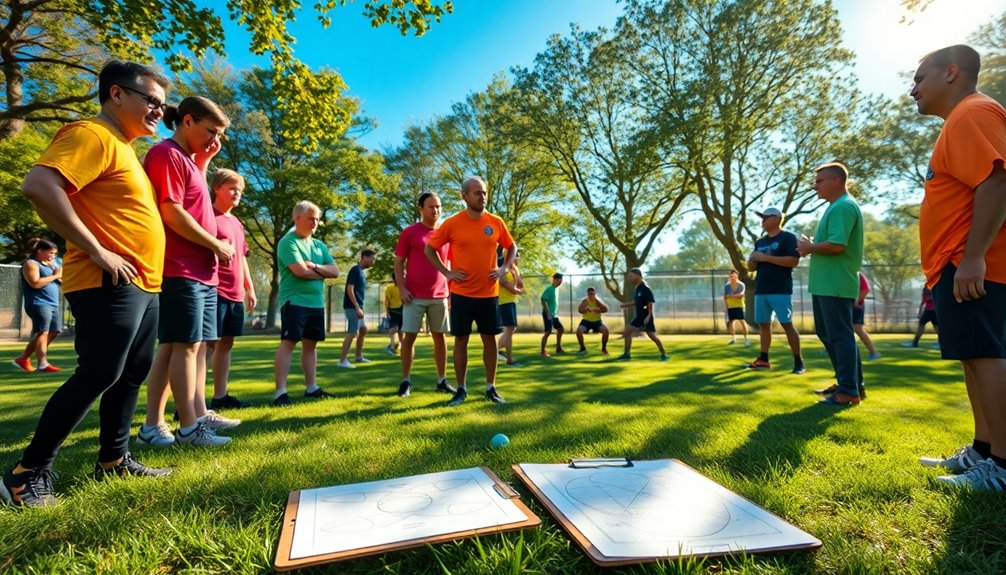
To rally effectively, you need to master key skills like communication techniques, strategic positioning, and timing. Each element plays a vital role in enhancing your team’s performance during games. Let’s explore how these skills can elevate your rallying strategy. Incorporating small-sided passing drills can further develop your team’s ability to maintain possession under pressure.
Communication Techniques
Effective communication is crucial for successful rallying, as it fosters teamwork and enhances player engagement. You’ll want to utilize nonverbal cues, like gestures and eye contact, to reinforce your messages.
Practice active listening; it shows players you value their input and builds trust. Use feedback techniques to offer constructive criticism, helping players improve.
When conflicts arise, apply conflict resolution strategies to maintain a positive atmosphere. Incorporate motivational strategies to keep energy levels high, and employ clarity enhancement methods to guarantee everyone understands their roles.
Use encouragement methods to boost morale, reinforcing positive behaviors. Finally, engage players with tactics that promote participation, creating a dynamic and collaborative environment for effective rallying.
Strategic Positioning
Understanding strategic positioning can elevate your rallying game considerably. Focus on effective rally formations that maximize your team’s strengths.
Start by evaluating player spacing; guarantee everyone occupies their designated areas to maintain balance. This spacing allows for quick movement and better coverage of the court.
During rallies, position your players not just by their skills but also by their synergy. For instance, place your strongest players where they can make impactful plays, while your support players can cover gaps.
Keep an eye on your opponents’ formations too; adjust your positioning to exploit weaknesses. By mastering these principles, you’ll enhance your team’s overall performance and increase your chances of winning rallies.
Timing and Rhythm
While mastering the timing and rhythm of your rallies, you’ll find that these elements are essential for maintaining control and creating opportunities.
Developing effective timing techniques and rhythm patterns can greatly enhance your game. Focus on these key aspects:
- Cadence drills to improve your swing timing.
- Rhythm exercises that help you find a consistent pace.
- Sync drills that promote teamwork and coordination.
- Tempo adjustments to adapt to your opponent’s style.
Designing Your Rally Lesson Structure
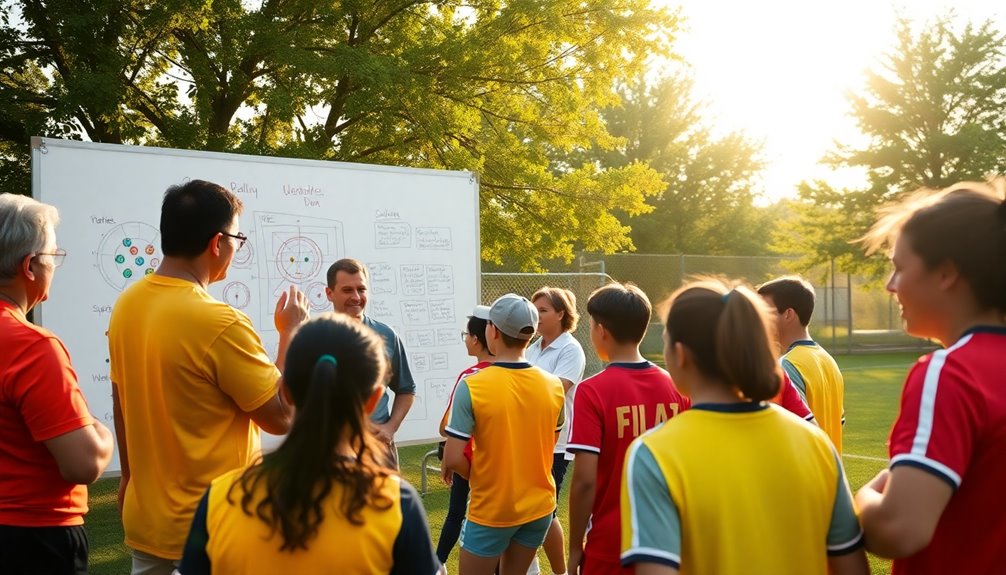
To create a successful rally lesson structure, you need to establish clear objectives that guide your coaching approach.
Focus on rally etiquette to foster respect among players, enhancing their competitive spirit.
Incorporate player motivation by setting achievable goals that promote skill progression.
Use game analysis to assess performance metrics, helping players understand their strengths and areas for improvement.
Encourage mental resilience by introducing adaptability strategies, allowing athletes to adjust to different situations during rallies. By integrating finishing drills into your practice, you can enhance players’ confidence and decision-making during competitive scenarios.
This structure not only builds individual skills but also cultivates teamwork and camaraderie.
Engaging Drills to Enhance Rally Skills
Here are some effective drills to implement:
- Target Rally: Players aim for specific areas on the court, enhancing precision.
- Controlled Chaos: Set up multiple balls in play, developing quick decision-making.
- Rally with a Twist: Introduce random rules mid-rally to boost adaptability.
- Partner Challenges: Pair players for competitive drills, fostering friendly rivalry and teamwork.
Incorporating small-sided games can further improve players’ ability to maintain possession and adapt to various game situations.
Strategies for Fostering Teamwork During Practice
To build strong teamwork during practice, focus on effective communication drills that get everyone talking.
Collaborative goal setting can help your players unite under shared objectives, boosting their motivation.
Don’t forget to incorporate team-building activities that strengthen bonds and enhance trust among teammates. Additionally, engaging in fun drills can foster teamwork, perseverance, and positive attitudes through enjoyable activities.
Communication Drills
Effective communication is essential for building teamwork during practice, especially in a fast-paced environment like sports. By focusing on communication drills, you can enhance player dynamics and reinforce rally etiquette.
Here are some effective strategies to implement:
- Call and Response: Use specific phrases to help players communicate during rallies.
- Non-Verbal Signals: Encourage players to develop hand signals for quick, silent communication.
- Partner Drills: Pair players to practice conveying strategies and feedback in real-time.
- Feedback Sessions: Foster an open environment where players can discuss what worked and what didn’t.
These drills not only improve communication but also create a cohesive team atmosphere, allowing players to thrive under pressure and support one another effectively.
Collaborative Goal Setting
While fostering teamwork during practice, collaborative goal setting can greatly enhance team dynamics and motivation. Start by involving your players in the goal alignment process; let them voice their individual and collective aspirations. This creates a sense of ownership and commitment.
Implement accountability measures to track progress, ensuring everyone stays engaged and responsible. Use motivation techniques like positive reinforcement to celebrate achievements, big or small.
Don’t forget to schedule regular reflection sessions where the team can discuss what’s working and what needs adjustment. This not only reinforces team cohesion but also helps players learn from each other.
Team-Building Activities
Building on the commitment established through collaborative goal setting, team-building activities are an excellent way to strengthen relationships among players. Engaging in these activities fosters trust and enhances communication, paving the way for a more cohesive team.
Incorporate a mix of fun and challenging tasks to build camaraderie and mutual respect. Here are some effective activities to contemplate:
- Icebreaker games: Help players get to know each other better.
- Trust exercises: Such as trust falls, to build reliance among teammates.
- Group challenges: Encourage collaboration and problem-solving.
- Role reversal: Allow players to experience different positions, enhancing empathy and understanding.
These activities create an environment where shared goals can thrive, ultimately improving team performance.
Incorporating Feedback: How Can You Help Players Improve?
Incorporating feedback is essential for helping players improve, as it provides them with specific insights to enhance their skills. Use effective feedback techniques like performance analysis and constructive criticism to guide your players.
Encourage a growth mindset by framing challenges as opportunities to learn. Implement self-assessment tools that allow players to reflect on their progress and identify areas for growth.
Peer review can also foster player motivation, as teammates can share insights and support one another. Finally, integrate goal tracking to measure improvement over time. Additionally, emphasize the importance of mental skills training to boost player performance and resilience during challenging situations.
Setting Goals for Your Rally Sessions
Setting clear goals for your rally sessions is essential for maximizing player development and engagement. By focusing on specific objectives, you can enhance both individual and team performance.
Use goal visualization techniques to help players see their desired outcomes, and implement performance metrics to track progress effectively.
- Define short-term and long-term goals.
- Encourage players to visualize their success.
- Regularly assess performance metrics to measure improvement.
- Adjust goals based on player feedback and progress.
Incorporating quick decision-making skills into your training can further elevate players’ effectiveness during rallies.
Adapting Your Lesson Plan for Different Skill Levels
After establishing clear goals for your rally sessions, it’s important to recognize that players come with varying skill levels. Conduct a skill assessment to gauge each player’s strengths and weaknesses. This information will guide your lesson adaptation, ensuring that everyone feels challenged yet capable.
For beginners, focus on fundamental techniques and simple drills to build confidence. Intermediate players can work on refining their skills with more complex drills and strategy discussions. Advanced players benefit from competitive scenarios that push their limits. Incorporating data-driven strategies can further enhance practice effectiveness by aligning drills with player strengths.
Always be ready to adjust on the fly—if a drill isn’t resonating, switch it up. By tailoring your approach, you’ll foster growth and keep all players engaged, making each session more effective and enjoyable.
Creating a Positive and Motivating Learning Environment
- Use positive reinforcement to acknowledge achievements, no matter how small.
- Implement motivation techniques that resonate with each player’s personality.
- Provide supportive feedback that encourages improvement while celebrating effort.
- Incorporate fun activities that promote teamwork and peer support, cultivating a growth mindset.
- Engaging in consistent routines during practice can enhance muscle memory and contribute to overall skill development.
Conclusion
Incorporating these strategies into your rally lessons will not only enhance your players’ skills but also foster a love for the game. Remember, “practice makes perfect.” By creating engaging drills, promoting teamwork, and providing constructive feedback, you’ll help your players grow in confidence and ability. Keep your sessions adaptable to different skill levels, and always aim to maintain a positive atmosphere. With dedication and the right approach, you’ll see remarkable progress in your team’s performance.