
The Parent’s Guide to Youth Sports Injury Prevention (7 Must-Know Strategies)
February 14, 2026In youth sports, injury prevention‘s essential for your child’s safety and enjoyment. Start with proper warm-ups and cool-downs that enhance performance and flexibility. Choose the right equipment tailored to their age and skill level, and guarantee they’re well-hydrated before, during, and after activities. It’s important to recognize signs of overtraining and encourage open communication about pain. By fostering a safe practice environment, you’ll keep your young athletes healthy and active. Discover more tips to keep them safe and thriving!
Why Injury Prevention Matters in Youth Sports
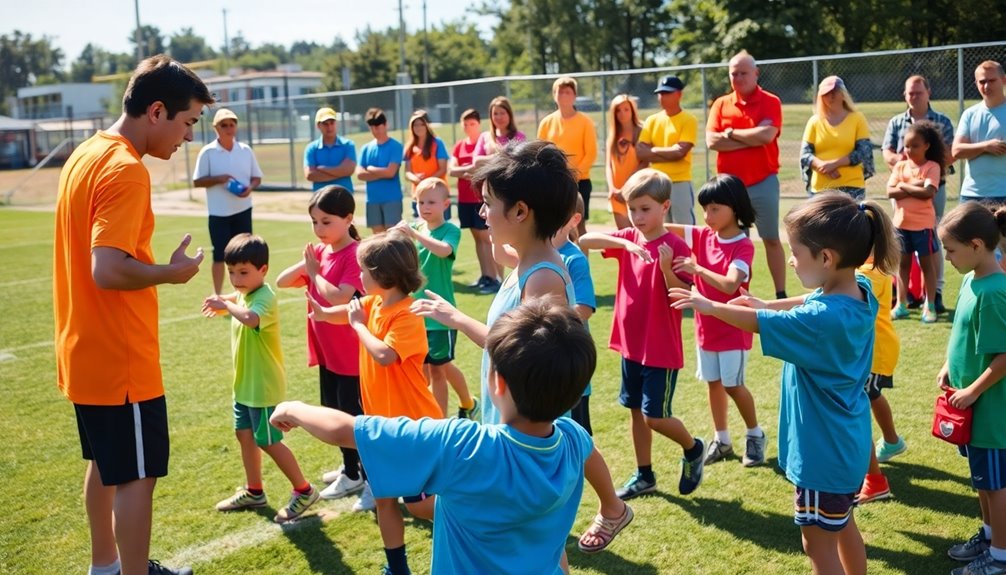
Injury prevention matters in youth sports because young athletes are still developing physically and mentally, making them more susceptible to injuries. Recent injury statistics show that youth sports participation has increased, but so have the rates of injuries, highlighting the need for effective prevention strategies.
You mightn’t realize that even minor injuries can impact a child’s long-term development and participation in sports. By prioritizing injury prevention, you help guarantee that young athletes can enjoy their favorite activities while minimizing risks. Incorporating high-intensity sprints into training can also enhance their overall athletic performance and reduce injury risk.
Educating yourself and your child about safe practices, monitoring their physical limits, and encouraging proper techniques can greatly reduce the likelihood of injuries. Ultimately, focusing on prevention fosters a healthier, more enjoyable experience in youth sports for everyone involved.
The Importance of Proper Warm-Ups and Cool-Downs

Proper warm-ups and cool-downs play an essential role in keeping young athletes safe and injury-free. By incorporating these practices, you can help your child prepare for physical activity and recover effectively afterward.
Here are three key components to focus on:
- Dynamic stretches: Encourage your child to perform movements that mimic the sport they’re about to play, like leg swings or arm circles, to increase blood flow and flexibility.
- Skill-specific drills: Integrate light practice of skills they’ll use during the game, allowing their body to adapt gradually to the demands of the sport.
- Static stretches: After activity, guide your child through static stretches to help relax muscles and improve flexibility, reducing the risk of soreness and injury.
Incorporating cool-down stretches can also enhance overall recovery post-exercise. Emphasizing these steps can greatly enhance their safety and performance.
How to Choose the Right Equipment for Your Child

When choosing equipment for your child, it’s essential to assess the specific needs of the sport they play. Prioritizing a proper fit can make a significant difference in their performance and safety. Ensuring that the cleats provide adequate toe room is crucial for preventing discomfort and enhancing control during play.
Assess Sport-Specific Needs
Choosing the right equipment for your child can make a significant difference in their performance and safety during sports.
To guarantee you meet the sport requirements and support their specific skills, consider these key factors:
- Sport-Specific Gear: Different sports require unique equipment. Research what’s essential for your child’s chosen activity.
- Age and Skill Level: Equipment should match their age and skill level to promote safety and enhance performance.
- Material and Quality: Invest in high-quality gear made from durable materials that can withstand wear and tear.
Prioritize Proper Fit
Finding the right fit for your child’s sports equipment is essential for their safety and performance.
Start by ensuring proper shoe fit; shoes that are too tight or loose can lead to injuries like blisters or sprains. Always measure your child’s feet and check for any growth, as shoe sizes may change frequently.
For other equipment, like helmets and pads, follow the manufacturer’s sizing guidelines carefully. If your child plays multiple sports, remember that each sport may require different equipment sizing.
Don’t hesitate to consult experts at sporting goods stores for advice. Investing time in finding the right fit not only boosts your child’s confidence but also helps prevent injuries, allowing them to enjoy their sports experience fully.
Understanding the Role of Hydration in Injury Prevention
Staying properly hydrated is essential for preventing injuries during sports.
When you recognize the signs of dehydration, you can help your child avoid the risks that come with it.
Let’s explore how hydration impacts performance and safety on the field. Additionally, maintaining core strength through proper hydration can enhance overall athletic performance and reduce the likelihood of injuries.
Importance Of Proper Hydration
While many factors contribute to preventing injuries in youth sports, proper hydration often takes a backseat in discussions. Staying hydrated is vital for your child’s performance and injury prevention.
Here are three effective hydration strategies you should consider:
- Pre-Game Hydration: Encourage your child to drink water before practice or games to optimize hydration timing.
- During Activity: Provide water breaks every 20-30 minutes to keep them hydrated, especially during hot weather.
- Post-Game Replenishment: After sports, make sure they rehydrate with water or electrolyte drinks to recover lost fluids.
Signs Of Dehydration Risks
How can you tell if your child is at risk of dehydration during sports? Watch for common dehydration symptoms like excessive thirst, dry mouth, fatigue, and dark yellow urine.
If your child seems sluggish or complains of headaches, those are red flags too. Implementing effective hydration strategies is essential. Encourage them to drink water before, during, and after practices or games.
A good rule of thumb is to sip water every 20 minutes during activity. You could also consider electrolyte drinks for intense sessions, but be mindful of sugar content.
Always monitor their fluid intake, especially in hot weather. By staying vigilant about these signs and strategies, you can help keep your child hydrated and reduce their risk of injury.
Recognizing Signs of Overtraining and Fatigue
Have you noticed your young athlete struggling more than usual during practice? It might be a sign of overtraining.
Recognizing overtraining symptoms and fatigue indicators is vital for their well-being. Here are three key signs to watch for:
- Decreased Performance: If they’re not hitting their usual marks, it could indicate fatigue.
- Mood Changes: Irritability or lack of enthusiasm can be clear fatigue indicators.
- Physical Complaints: Frequent aches, pains, or injuries may signal that they’re pushing too hard.
If you observe these signs, it’s important to encourage rest and recovery. Engaging in controlled scrimmages can help maintain a balance between practice intensity and player well-being.
Keeping an eye on your athlete’s well-being can prevent serious injuries and guarantee they enjoy their sport.
The Benefits of Cross-Training for Young Athletes
Cross-training can be a game-changer for young athletes, as it not only enhances their overall fitness but also reduces the risk of injuries. By incorporating different activities into their training routine, you can help them develop a well-rounded skill set.
Cross-training benefits include improved strength, flexibility, and endurance, which are essential for any sport. It also allows young athletes to engage different muscle groups, decreasing the likelihood of overuse injuries. Additionally, varying workouts keeps training interesting and fun, helping maintain motivation. This approach fosters a love for physical activity, essential for long-term success. Ultimately, cross-training is a smart strategy for injury prevention and helps your child excel in their chosen sport while staying healthy and engaged. Incorporating high-intensity interval training into their routine can further boost their cardiovascular fitness and speed.
Encouraging Open Communication About Pain and Injuries
Promoting cross-training can lead to better overall fitness, but it’s equally important to create an environment where young athletes feel comfortable discussing pain and injuries.
Open injury dialogue helps in timely pain reporting and can prevent serious injuries. Here are three strategies to encourage this communication:
- Normalize Conversations: Talk openly about injuries and pain, so kids understand it’s okay to speak up.
- Teach Pain Recognition: Help them identify what different types of pain mean and when to report it.
- Foster Trust: Build a supportive atmosphere where athletes feel safe sharing their concerns without fear of judgment or repercussions. Additionally, ensure that young athletes are aware of proper equipment and attire regulations to help prevent injuries during play.
Tips for Creating a Safe Practice Environment
While ensuring a safe practice environment might seem challenging, it’s essential for protecting young athletes from injury. Start by choosing safe surfaces for practices, like grass or rubber mats, to minimize the risk of slips and falls. Regularly inspect these surfaces for hazards such as holes or debris.
Next, make sure there’s adequate spacing between players during drills to prevent collisions. You should also establish clear boundaries for practice areas to keep everyone focused and safe. Encourage coaches to emphasize proper techniques and warm-ups to reduce strain. Incorporating effective warm-up drills can also help prepare the athletes physically and mentally, further reducing the risk of injuries.
Finally, remind parents and athletes to report any unsafe conditions immediately. By prioritizing these strategies, you’ll create a safer environment that helps athletes thrive while minimizing the risk of injuries.
Conclusion
Injury prevention in youth sports is essential for keeping your child safe and thriving. Did you know that nearly 50% of all youth sports injuries are preventable with proper precautions? By focusing on warm-ups, appropriate gear, hydration, and open communication, you can greatly reduce the risk of injuries. Encourage your young athlete to embrace cross-training and listen to their body. Together, you can create a positive and safe sports experience that promotes their health and love for the game.