
4-2-3-1 Formation: A Beginner’s Guide to Soccer’s Most Balanced Shape
November 18, 2026The 4-2-3-1 is a soccer formation that uses four defenders, two holding midfielders, three attacking midfielders and one central striker. The two holding midfielders protect the back four, while the front three create chances and press the opposition. If you are new to tactics, think of it as a shape that balances defense and attack without asking any single player to do everything.
Key Takeaways
- The 4-2-3-1 uses four defenders, two defensive midfielders, three attacking midfielders and one striker.
- The formation grew out of tweaks to the 4-4-2 and was initially most popular in Spain before spreading through major leagues from the 2000s onward.
- It was first used widely in top-level football at the 2010 World Cup, according to footballhistory.org.
- The two holding midfielders give the back line cover, which is why many coaches describe the shape as balanced.
- The wide attacking players must press and track back, so the shape works best when those players have the fitness and discipline for that job.
What Is the 4-2-3-1 Formation?
The 4-2-3-1 is a team shape that places four defenders, two defensive midfielders, three attacking midfielders and one striker on the pitch. The numbers read from the back line forward, starting after the goalkeeper. A formation is simply the starting arrangement of players, which tells you where each player begins and which zones they are responsible for.
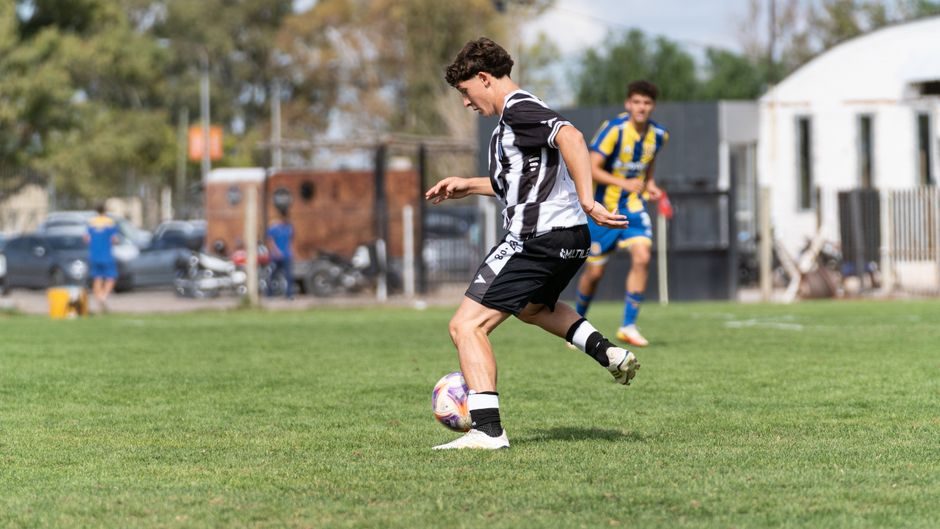
The three attacking midfielders usually include a central playmaker, often called the number 10, flanked by two wide players. The lone striker is the main goal threat, although the attacking midfielders often join the attack and move between lines. Because of this, the shape is more flexible than its numbers suggest.
A formation is a starting point, not a rigid set of rules. Players rotate, switch positions and adjust when their team has the ball and when it does not. The 4-2-3-1 is valued because its structure makes those adjustments easier.
Where Did the 4-2-3-1 Come From?
The 4-2-3-1 developed as a modification of the 4-4-2, which was the standard shape for much of the late twentieth century. Coaches gradually changed the two central midfielders into a defensive pair and pushed one attacker into a more central role behind the striker. Coaches’ Voice describes the shape as evolving from tweaks to the 4-4-2, with its early popularity concentrated in Spain.
According to a Premier League explainer on the 4-2-3-1 that republishes Coaches’ Voice content, the formation began with a single defensive midfielder covering the space in front of the back line. A second defensive midfielder was added later, and the shape became more common as pressing grew in the modern game. That history explains why the double pivot is central to the system.
The shape spread through major leagues from the 2000s onward. Its wider reach came as teams valued compact defensive structures that could still generate goals. The footballhistory.org formations guide notes that it was first used widely in top-level football at the 2010 World Cup, which helped push it into the mainstream.
For a broader look at the basic lines and roles, the Coaches’ Voice guide to 4-2-3-1 fundamentals is a useful reference for coaches who want more tactical detail.
How the 4-2-3-1 Works on the Pitch
The 4-2-3-1 works by splitting the midfield into a defensive pair and an attacking trio, which lets the team cover the middle of the pitch while still creating chances. Each line has a distinct job, but the lines must connect. The gap between the midfield and the striker is where many matches are won or lost.
What Do the Back Four and Goalkeeper Do?
The back four is usually two center backs and two full-backs. The center backs protect the middle of the box, while the full-backs must balance defending the wings with supporting the attack. The goalkeeper organizes the line and often plays a role in starting attacks with short passes.
What Are the Two Holding Midfielders For?
The two holding midfielders, sometimes called the double pivot, sit in front of the back four and shield it. One player often focuses on breaking up attacks and winning the ball, while the other usually moves the ball forward and keeps the team’s shape. Their pairing matters more than either player on his own, because they must cover for each other when one moves forward.
What Is the Attacking Midfield Three?
The attacking midfield three is made up of a central playmaker and two wide players. The central player links the midfield to the striker, looking for passes between the lines. The wide players can cut inside to shoot, stay wide to stretch the defense, or drop back to press.
What Does the Lone Striker Do?
The lone striker is the team’s main target for goals and for long passes. He must hold up the ball, run in behind the defense and press the opposing center backs. Because the striker works alone up top, the attacking midfielders must support him closely.
How to Set Up the 4-2-3-1 Step by Step
To set up the 4-2-3-1, start by placing players in their zones and then teach the team how the lines connect. The shape works best when every player understands his responsibilities without the ball as well as with it. Use the steps below as a practical starting point for training.
- Place the back four in a flat line with the full-backs ready to push forward when the team has the ball.
- Set the two holding midfielders in front of the center backs, with one player staying deeper and the other able to step up to win the ball.
- Position the central attacking midfielder between the opposing midfield and defense, where he can receive passes and turn.
- Place the two wide attacking players near the touchlines, ready to cut inside or stretch the defense depending on where the ball is.
- Practice pressing as a unit, so the striker and attacking midfielders trigger pressure together and the holding midfielders cover the space they leave behind.
Before you drill the shape with a team, it helps to know the basic player roles. The guide to soccer positions for 7v7, 9v9 and 11v11 games explains how roles change as squads get larger. For full-sided teams, the 11v11 soccer positions explained for coaches and players goes deeper into each role.
Field size also affects how much space the wide players must cover. Check the soccer field dimensions, markings and rules before you decide how wide your attackers should start.
What Are the Strengths and Weaknesses of the 4-2-3-1?
The 4-2-3-1 is strong because it protects the defense while still producing attacking options. Its main weakness is that it depends on the wide players and the holding midfielders working hard without the ball. When those players tire or lose focus, the shape can split apart.
Key Strengths
- The double pivot gives the back four extra cover in the middle of the pitch.
- The attacking midfield three creates passing options between the lines.
- The shape can switch between a compact defensive block and a fast attacking structure.
- The lone striker gives the team a clear focal point for long balls and crosses.
Key Weaknesses
- The lone striker can be isolated if the attacking midfielders do not support him.
- The wide attackers must defend a lot, which can leave them tired late in matches.
- If the holding midfielders are both too deep, the team can lose control of the middle of the pitch.
- Teams facing a strong pair of wingers may need to adjust the full-backs to cover wide areas.
How Does the 4-2-3-1 Compare to 4-3-3 and 4-4-2?
The 4-2-3-1 sits between the 4-4-2 and the 4-3-3 in its balance of defense and attack. It keeps two central midfielders for protection, like the 4-4-2, but adds a playmaker behind the striker. The table below summarizes the main differences for beginners.
| Feature | 4-2-3-1 | 4-3-3 | 4-4-2 |
|---|---|---|---|
| Midfield structure | Two holding players and three attacking midfielders | Three midfielders, usually one holding player and two box-to-box players | Four midfielders in two flat lines |
| Number of strikers | One | Three forwards | Two |
| Main strength | Balance between defense and creativity | Width and attacking pressure | Simple structure and strong two-man striker pairs |
| Main weakness | Lone striker can be isolated | Midfield can be outnumbered | Can struggle to control the center without a playmaker |
Frequently Asked Questions
Is the 4-2-3-1 a good formation for beginners?
The 4-2-3-1 is a good shape for coaches and players who want a clear structure. Its roles are easy to explain, and the two holding midfielders provide a defensive base. Beginners should still learn the basic principles of pressing and covering before they try to master the full system.
What does 4-2-3-1 mean?
The numbers describe how many players are in each line, counting from the goalkeeper forward. The 4-2-3-1 has four defenders, two defensive midfielders, three attacking midfielders and one striker. The numbers describe starting positions, not fixed roles.
Who invented the 4-2-3-1 formation?
No single coach is credited with inventing the 4-2-3-1. It developed gradually from tweaks to the 4-4-2, with a second defensive midfielder added over time. Its use spread widely after it appeared at the 2010 World Cup.
What is the difference between 4-2-3-1 and 4-3-3?
The 4-2-3-1 uses two holding midfielders and one striker, while the 4-3-3 uses three midfielders and three forwards. The 4-2-3-1 aims for balance and central control, while the 4-3-3 focuses on width and attacking pressure. Coaches choose between them based on their players’ strengths.
Can youth teams play the 4-2-3-1?
Youth teams can play the 4-2-3-1, but they should adapt it to the players’ ages and skills. Younger players may find the wide roles and pressing demands difficult to manage. Coaches often introduce the shape gradually and simplify the roles until players understand the basics.
Conclusion
The 4-2-3-1 is a practical formation that balances defense and attack with four defenders, two holding midfielders, three attacking midfielders and one striker. It evolved from the 4-4-2 and became widely used after the 2010 World Cup. Learn the role of each line, practice how the lines connect, and you will understand why this shape remains one of the most common in modern soccer.