

Soccer Positions Explained: Where Should Your Child Play?
March 3, 2026Understanding soccer positions is key to finding where your child can thrive on the field. Each role—goalkeeper, defender, midfielder, and forward—requires specific skills. For instance, goalkeepers need quick reflexes, while midfielders excel at playmaking. Consider your child’s strengths, like speed or passing ability, to identify the best fit. Encourage them to try various positions for a well-rounded experience. Keep exploring how to support their journey to becoming a skilled player in their chosen role.
Understanding the Different Soccer Positions
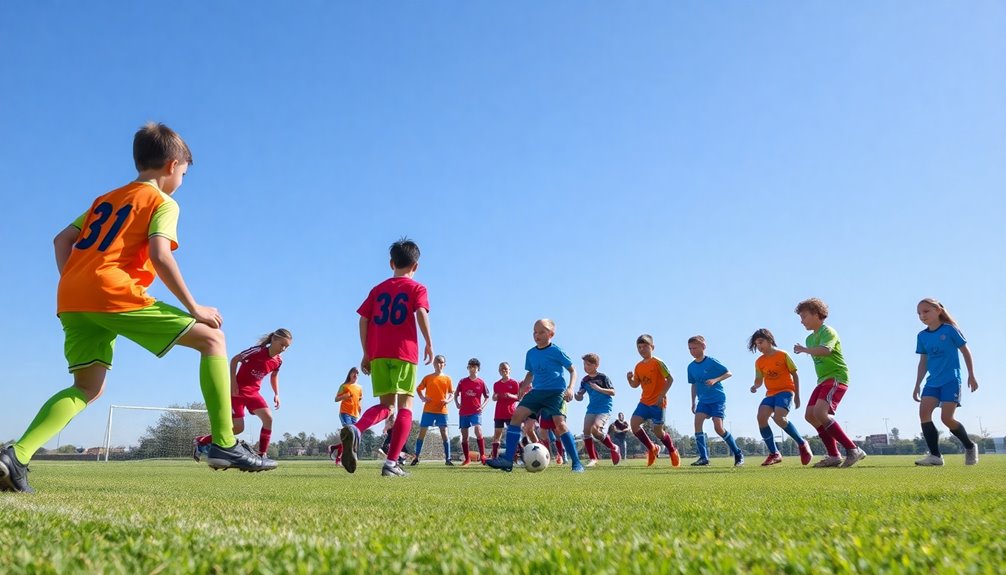
When you step onto the soccer field, understanding the different positions can greatly enhance your game. Each position has unique roles that require specific player attributes.
For instance, forwards need speed and agility to break through defenses, while midfielders should have excellent vision and passing skills to connect plays. Defenders must possess strong tackling abilities and awareness to thwart opposing attacks.
Knowing these position roles not only helps you find where you fit best but also enhances team dynamics. By recognizing your own strengths and weaknesses, you can better align with the required attributes for your chosen position. This understanding fosters team dynamics and improves overall performance, making each match a more enjoyable experience for everyone involved.
The Role of Goalkeeper: Key Skills and Attributes
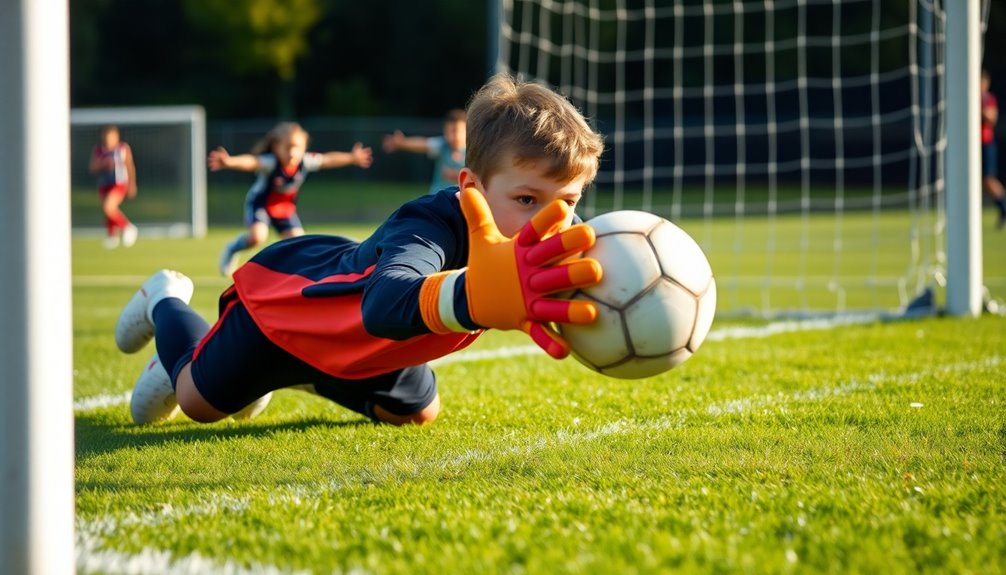
Understanding the different positions on the field sets the stage for recognizing the unique role of the goalkeeper. As the last line of defense, you need to master key goalkeeper techniques. Quick reflexes, strong decision-making, and excellent communication are crucial attributes. Your training should focus on shot-stopping, positioning, and distribution skills.
You’ll also want to develop your physical attributes, like agility and strength, through essential training routines. Field presence and communication enhances your ability to direct teammates effectively during gameplay.
Being a goalkeeper isn’t just about saving shots; it’s about organizing the defense and maintaining composure under pressure. Embrace the challenge and sharpen your skills, as your role can make all the difference in a match.
With dedication, you’ll become an invaluable asset to your team.
Defenders: The Backbone of the Team
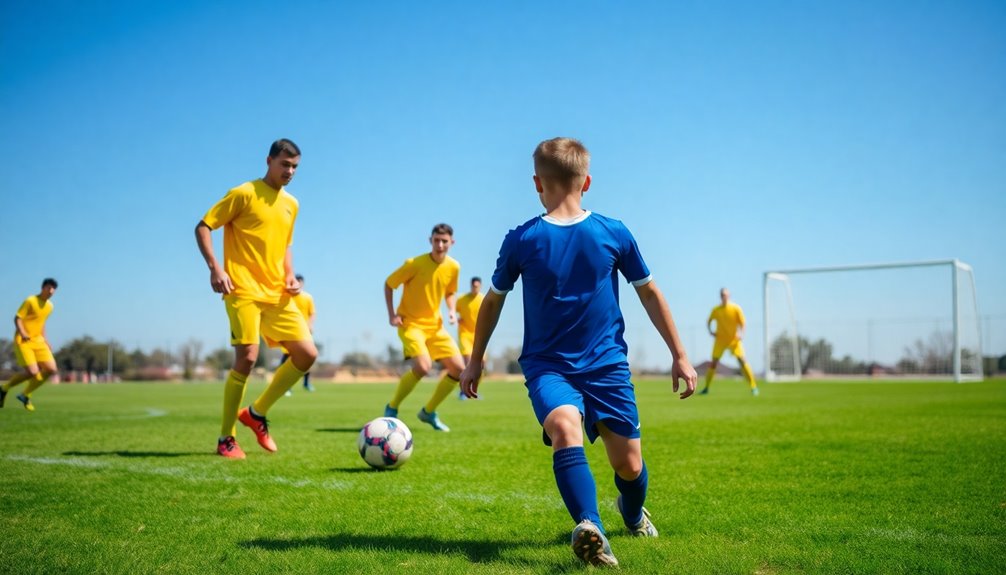
Defenders play a vital role in your team’s success by mastering essential defensive skills. You’ll see that their responsibilities go beyond just blocking shots; they also organize the defense and initiate counterattacks. Understanding their impact can transform how you view the game. Additionally, defenders must excel in skills like marking and intercepting, which are crucial for preventing opposing attacks.
Importance of Defensive Skills
At the heart of every successful soccer team lies a solid defensive line, where defensive skills play an essential role in maintaining balance and stability. As a parent, you want your child to understand that mastering defensive techniques is critical. These skills not only help prevent goals but also foster confidence on the field.
Good defenders know when to intercept a pass or tackle an opponent, which is fundamental for effective gameplay. Additionally, teamwork strategies among defenders can greatly enhance their performance. When players communicate and support each other, they create a formidable wall against attacking players.
Key Defensive Responsibilities
Building on the importance of defensive skills, knowing the key responsibilities of defenders is essential for any young player.
Defenders are the backbone of your team, and they play a significant role in preventing goals. You’ll need to master tackling techniques, ensuring you can dispossess opponents without committing fouls.
Effective marking strategies are equally important; you should always stay close to your assigned player, making it difficult for them to receive the ball or take shots on goal.
Communication with teammates is essential, as it helps organize the defense and cover gaps.
Additionally, be prepared to quickly shift from defense to offense, supporting your team’s attack when the opportunity arises.
Embrace these responsibilities, and you’ll become a critical asset on the field.
Midfielders: The Connectors of Play
Midfielders play a crucial role in connecting the defense and attack on the soccer field. As a parent, understanding their responsibilities can help you identify if your child has what it takes for this position.
Midfielders need exceptional playmaking skills to facilitate team movement and create goal-scoring opportunities. Here are some key midfielder responsibilities:
- Transitioning the ball: They move the ball from defense to attack, ensuring fluid gameplay.
- Supporting both ends: Midfielders help defend against opponents while also setting up offensive plays.
- Controlling tempo: They dictate the pace of the game, knowing when to speed up or slow down.
An effective midfielder often exhibits traits found in attacking midfielders, allowing them to orchestrate intricate plays and create scoring chances.
Encouraging your child to develop these skills can make them a valuable asset on the field!
Forwards: Scoring Goals and Creating Opportunities
As a forward, your main job is to score goals and create opportunities for your team.
You’ll need a mix of speed, agility, and sharp decision-making skills to break through defenses.
Understanding your responsibilities will help you shine on the field and contribute to your team’s success. Incorporating drills that enhance ball control techniques will further improve your ability to maneuver in tight spaces and maintain possession under pressure.
Key Responsibilities of Forwards
While you might think of forwards primarily as goal-scorers, their role extends far beyond just putting the ball in the net.
Forwards are key players in your team’s offensive strategy, actively working to create chances and set up plays. Here are some key responsibilities they take on:
- Goal Scoring: They capitalize on opportunities to put the ball in the net, making them essential for winning games.
- Creating Opportunities: Forwards often assist teammates by setting up scoring chances, ensuring the flow of the game remains dynamic.
- Pressuring Defenses: By applying pressure on opposing defenders, they disrupt the other team’s buildup and create space for their teammates.
Understanding these responsibilities can help you appreciate the forward’s important role in soccer beyond just scoring goals.
Skills Needed for Success
To excel as a forward, you need a unique blend of skills that go beyond mere goal-scoring. Strong technical abilities are essential; you’ll often find yourself dribbling past defenders, executing precise passes, and striking the ball accurately. Your footwork should be sharp, enabling quick reactions in tight spaces.
Equally important is positional awareness. You must understand where to be at the right moment, anticipating plays and exploiting gaps in the defense. This awareness helps you create opportunities not just for yourself but for teammates as well.
Being able to read the game can turn a good forward into a great one, as it allows you to stay one step ahead of the opposition. Embrace these skills, and you’ll thrive on the field.
Wingers: Speed and Precision on the Flanks
Wingers play an essential role in modern soccer, providing speed and precision on the flanks that can turn the tide of a match.
If your child thrives in these areas, they might be a perfect fit for this position.
Here are some key aspects of winger tactics and flank strategies to evaluate:
- Crossing Ability: A good winger delivers accurate crosses to create scoring opportunities.
- Dribbling Skills: They need to outmaneuver defenders, using speed and agility to exploit space.
- Defensive Support: Wingers often track back to help the defense, ensuring a balanced team structure.
Wingers should also be aware of their defensive responsibilities to maintain team cohesion and support their teammates effectively.
Evaluating Your Child’s Skills for Each Position
Understanding your child’s strengths can help you determine the right soccer position for them. Start with a skill assessment to evaluate their abilities.
Consider their speed, agility, and ball control; these traits are vital for wingers. If they’ve strong defensive skills and a knack for reading the game, they might excel as a defender.
Speed, agility, and ball control are essential for wingers, while strong defensive skills suit those aspiring to be defenders.
Look for leadership qualities and strategic thinking, which are important for a goalkeeper or midfielder. Position suitability is key; make certain they enjoy the role you think fits them best.
Encourage your child to try different positions during practice and games. This hands-on experience will help you both understand where they shine and where they might need improvement, ultimately guiding you to the best position for them. Additionally, understanding player roles can enhance their performance and enjoyment of the game.
How to Identify Your Child’s Preferred Playing Style?
To identify your child’s preferred playing style, start by observing their game preferences during practice and matches.
Pay attention to the skills they excel at, whether it’s dribbling, passing, or defending.
This insight will help you guide them toward a position that suits their strengths and interests. Additionally, consider how their skills align with effective teamwork as it can greatly enhance their overall performance on the field.
Observe Game Preferences
As you watch your child play soccer, pay attention to how they interact with the game, since their actions can reveal their preferred playing style.
Game observation is key to understanding their player preferences. Here are some aspects to look for:
- Positioning: Do they gravitate towards offense or defense?
- Decision-Making: Are they quick to pass, or do they prefer to take on defenders?
- Engagement: Do they actively seek the ball, or do they hang back?
Analyze Skill Strengths
After observing how your child engages with the game, it’s time to analyze their skill strengths to better identify their preferred playing style.
Start with a skill assessment, focusing on what they excel at during practice and games. Do they’ve a powerful kick, exceptional dribbling, or keen game awareness?
Notice how they interact with teammates and respond under pressure. These player strengths can help determine their ideal position.
For instance, if they thrive at making quick decisions and passing, they might enjoy playing as a midfielder. On the other hand, if they’re great at defending, consider a defensive role.
Understanding these strengths won’t only enhance their enjoyment but also boost their confidence on the field.
The Importance of Team Dynamics in Positioning
While individual skills are essential, the success of a soccer team largely hinges on how well players work together within their respective positions.
Team dynamics play a significant role in fostering team chemistry and enhancing positional awareness. When players understand their roles and how they fit into the larger picture, the entire team benefits.
Here are a few key aspects to reflect upon:
- Communication: Open and effective communication helps players anticipate each other’s moves.
- Trust: Building trust among teammates encourages risk-taking and collaboration, leading to better performance.
- Adaptability: Being flexible and aware of others’ positions allows for quicker adjustments during gameplay. A strong defensive structure is essential for overall team performance and can greatly influence the outcome of matches.
Adapting to Different Positions: Can Your Child Switch?
How can your child adapt to different soccer positions? Embracing position flexibility is key. Encourage your child to develop skills that apply across multiple roles on the field.
For example, a forward can learn defensive techniques, making them more versatile. This player adaptability not only enhances their game but also benefits the team by providing options during matches.
Support your child in practicing various skills—dribbling, passing, and shooting—regardless of their primary position. This broadens their understanding of the game and boosts confidence.
If they’re comfortable switching between roles, they’ll be more valuable to their team. Ultimately, fostering a mindset of flexibility will prepare your child to thrive in any position and adapt to the team’s needs. Incorporating passing drills into their training can further enhance their overall skillset on the field.
Physical Requirements for Various Soccer Positions
Understanding the physical requirements for various soccer positions can markedly enhance your child’s performance on the field.
Each position demands specific physical fitness levels, which can determine your child’s position suitability.
Here’s what to contemplate:
- Speed and Agility: Essential for forwards and wingers to outmaneuver defenders.
- Endurance: Critical for midfielders who cover extensive ground throughout the match.
- Strength: Important for defenders to hold their ground against opposing players.
Mental and Tactical Skills in Soccer Positions
To excel in soccer, players need more than just physical prowess; they must also develop strong mental and tactical skills tailored to their specific positions.
For instance, forwards should cultivate mental agility to quickly adapt their strategies based on the defense they face. They need to anticipate plays and make split-second decisions.
Midfielders, on the other hand, require high tactical awareness to control the game’s tempo and connect both offense and defense effectively.
Defenders must exhibit mental sharpness to read the opponent’s movements and react accordingly.
Goalkeepers benefit from sharp mental focus, as their split-second decisions can determine the match’s outcome.
How to Encourage Your Child’s Passion for Their Position
Cultivating a love for soccer starts with recognizing what makes each position unique and valuable.
To encourage your child’s passion for their position, consider these strategies:
Encouraging your child’s passion for soccer involves supporting their interests and making practice a fun, engaging experience.
- Explore passion projects: Help them create projects that deepen their understanding of their role, like watching videos or studying famous players in that position.
- Support position preferences: Allow them to express what they enjoy about their position and why it resonates with them.
- Practice together: Spend time practicing skills related to their position, making it fun and engaging rather than just a task.
Tips for Communicating With Coaches About Positioning
When talking to coaches about positioning, it’s essential to understand their coaching philosophy first.
Share your child’s strengths and how they align with the team’s needs, and don’t hesitate to ask about development goals for your player.
Open communication can lead to better understanding and support for your child’s growth.
Understand Coaching Philosophy
Effective communication is essential when discussing positioning with your coach. Understanding their coaching philosophy can greatly enhance your child’s player development.
Here are some tips to facilitate this conversation:
- Ask about coaching styles: Inquire how their philosophy influences player roles and positioning.
- Discuss team formation: Understand how the chosen formation impacts your child’s potential position on the field.
- Express your child’s interests: Share your child’s preferred playing style and how it aligns with the coach’s vision.
Discuss Player Strengths
Identifying your child’s strengths is essential in discussions about positioning with their coach. Begin with a thorough strength analysis to pinpoint what your child excels at. Is your child fast, skilled at ball control, or a strong defender? Knowing these attributes helps you articulate their potential role on the field.
Next, conduct a skill assessment. This involves evaluating technical abilities, game awareness, and adaptability to different situations.
Share your findings with the coach, emphasizing how your child’s strengths align with various positions. Be open to the coach’s insights, as they can provide valuable context about team dynamics.
Effective communication about your child’s strengths not only aids in positioning but also fosters their growth as a player.
Ask About Development Goals
Discussing your child’s strengths sets the stage for an important conversation about their development goals with the coach.
It’s vital to communicate openly about what your child aims to achieve on the field. Here are some tips to guide your discussion:
- Clarify Player Aspirations: Ask the coach how they can align your child’s position with their long-term goals.
- Request Feedback: Inquire about your child’s performance and areas for improvement to help shape their development goals.
- Discuss Training Focus: Find out what skills or attributes the coach believes are essential for your child’s position and how they plan to develop these aspects.
Conclusion
To summarize, finding the right soccer position for your child can greatly enhance their enjoyment and development in the game. Did you know that about 60% of youth soccer players specialize in one position by age 12? Encouraging your child to explore various roles can help them discover their strengths and interests. Stay engaged with their coaches to guarantee they’re in a position that suits their skills and keeps their passion for the game alive!