

Fuel the Champion: 12 Youth Sports Nutrition Tips That Actually Work
February 12, 2026Proper nutrition is key to your success as a young athlete. Focus on balanced meals with carbohydrates, proteins, and healthy fats to fuel training and recovery. Don’t forget hydration; drink water before, during, and after activities. Smart snacks, like fruit smoothies and energy bars, can give you quick energy boosts. Timing your meals is essential to optimize performance. There’s so much more to explore that can help you excel and feel your best!
Why Nutrition Matters for Young Athletes

When young athletes fuel their bodies with the right nutrients, they not only enhance their performance but also support their overall growth and development. Proper dietary habits play an essential role in achieving this.
By consuming a balanced mix of carbohydrates, proteins, and healthy fats, you provide the energy needed for rigorous training and competition. Nutrients like vitamins and minerals also aid in recovery, helping you bounce back faster after intense activities. Additionally, proper stretching post-match can help prevent muscle soreness and injuries, further supporting recovery and performance.
When you prioritize nutrition, you’re setting the stage for performance enhancement, allowing you to reach your full potential. Focus on whole foods, stay away from processed snacks, and listen to your body’s signals.
Making these adjustments can lead to significant improvements in both your athletic achievements and overall well-being.
The Importance of Hydration Before, During, and After Activity
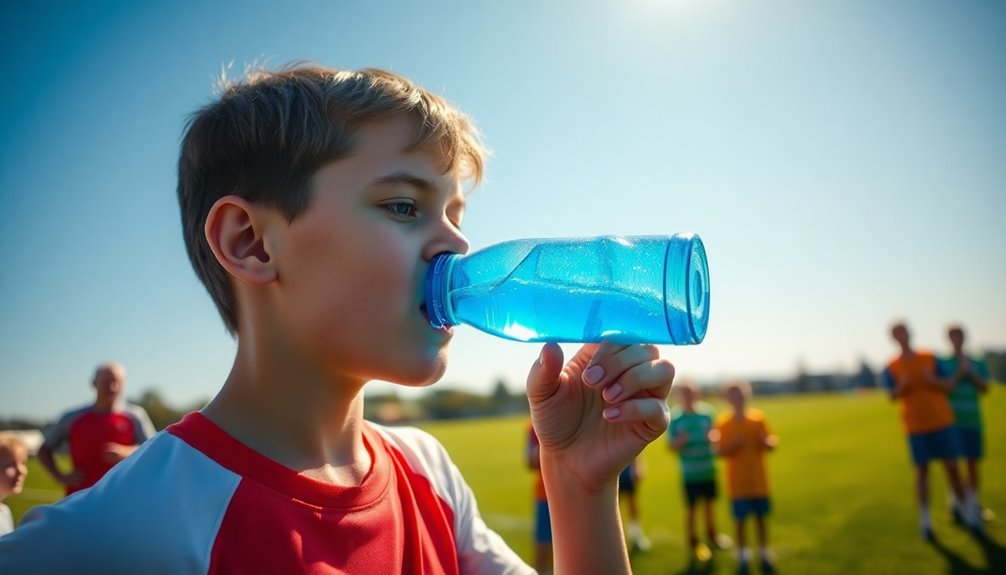
Hydration is essential for optimizing your performance and maintaining your health, especially during intense physical activity. You need to develop effective hydration strategies to guarantee your body stays cool and properly fueled.
Before exercise, drink water to prepare your muscles and joints. During activity, sip on water or a sports drink to replace lost electrolytes and keep your energy levels up. Afterward, rehydrate to aid recovery and muscle repair.
Don’t fall for hydration myths that suggest you only need fluids when thirsty; by then, you might already be dehydrated. Pay attention to your body’s signals and make hydration a priority. Staying hydrated helps prevent fatigue and improves your overall performance on the field or court. Incorporating high-intensity sprints into your training can also enhance your hydration needs, as these drills increase fluid loss through sweat.
Balanced Meals: What Should a Young Athlete Eat?

To fuel your body effectively, young athletes need balanced meals that combine carbohydrates, proteins, and healthy fats.
Focus on meal variety to guarantee you’re getting the nutrient density your growing body requires. Here are three essential components to include in your meals:
- Whole grains – Foods like brown rice and quinoa provide long-lasting energy.
- Lean proteins – Options such as chicken, fish, or legumes help build and repair muscles.
- Colorful fruits and vegetables – They’re packed with vitamins and minerals, supporting overall health.
Each meal should be a colorful plate filled with these nutritious options. Additionally, maintaining proper nutrition and hydration is crucial for peak athletic performance.
Smart Snacks: Quick Fuel Options for Energy Boosts
When you’re in need of a quick energy boost, smart snacks can make all the difference.
These nutritious options are perfect for on-the-go athletes like you, providing the fuel you need to perform your best.
Let’s explore some tasty snacks that keep your energy levels high and your body ready for action. Incorporating high-intensity cardio drills into your training routine can further enhance your performance and endurance during matches.
Quick Energy Boosts
Fueling up with the right snacks can make a big difference in your performance during youth sports. Quick energy boosts keep you energized and focused, so consider these tasty options:
- Fruit Smoothies – Blend your favorite fruits with yogurt for a revitalizing energy hit.
- Chocolate Milk – This delicious drink offers the perfect balance of carbs and protein for recovery and energy.
- Energy Bars – Look for bars with nut butter and dried fruits to fuel your body quickly.
Don’t forget hydration! Adding hydration tablets to your routine can keep you invigorated.
With these smart snacks, you’ll feel ready to take on the competition and give it your all! Stay fueled, stay strong!
Nutritious On-the-Go Options
Whether you’re heading to practice or a game, having nutritious on-the-go snacks can keep your energy levels high and your mind sharp.
Look for options that balance portable protein and convenient carbs. Nut butter packets paired with whole-grain crackers offer a quick protein boost while keeping hunger at bay. Greek yogurt cups are another great choice, providing both protein and essential nutrients.
Don’t forget about trail mix; it’s packed with nuts, seeds, and dried fruit for a perfect mix of energy-boosting carbs and protein. Protein bars can also be handy, just check the ingredients for quality.
These smart snacks will fuel your performance and help you stay focused throughout your activities. Keep them handy for your busy schedule!
Timing Your Meals: When to Eat for Optimal Performance?
Timing your meals can make a big difference in your performance.
You’ll want to fuel up before the game, focus on recovery right after, and plan snacks between events to keep your energy levels high. Incorporating endurance and conditioning routines into your training can also help you maintain energy levels during competitions.
Let’s explore how to optimize your meal timing for the best results.
Pre-Game Fuel Timing
To guarantee ideal performance during a game, knowing when to eat is essential. Proper pre-game fuel timing can make all the difference. Here’s how to plan your meals and snacks for peak performance:
- 3-4 Hours Before the Game: Enjoy a balanced meal rich in carbs, protein, and healthy fats. This gives your body time to digest.
- 1-2 Hours Before the Game: Opt for light pre-game snacks like bananas or yogurt. These provide quick energy without weighing you down.
- 30 Minutes Before the Game: If you need an extra boost, grab a small snack like a granola bar or a sports drink. This is ideal for immediate energy.
Post-Workout Recovery Meals
After you finish a workout, your body craves nutrients to recover and rebuild. Timing your post-workout meal is essential; aim to eat within 30 to 60 minutes. This is when your muscles are most receptive to nutrients.
A great option is a post workout smoothie packed with fruits, leafy greens, and a scoop of recovery protein. This combination helps replenish glycogen stores and aids muscle repair. You can also include ingredients like yogurt or nut butter for added flavor and energy.
If you prefer solid foods, consider a balanced meal with lean protein, whole grains, and healthy fats. Remember, fueling your body after exercise isn’t just about recovery; it’s about preparing for your next challenge.
Snack Strategies Between Events
While you’re managing a busy day of competitions or events, keeping your energy levels steady is essential for ideal performance.
Snack timing plays a vital role in maintaining your energy balance. Here are three strategies to keep in mind:
- Pre-Event Snacks: Fuel up 30-60 minutes before your event with easily digestible snacks like bananas or granola bars.
- Between Events: Opt for quick energy boosters, such as trail mix or yogurt, to recharge without feeling heavy.
- Hydration: Don’t forget to sip water regularly; staying hydrated supports overall performance.
The Role of Carbohydrates in Athletic Performance
Carbohydrates play an essential role in fueling your athletic performance, as they provide the energy needed for both endurance and high-intensity activities.
To optimize your energy levels, focus on carbohydrate timing. Consuming carbs before, during, and after your workouts can greatly enhance your performance and recovery.
Different carbohydrate types also matter; simple carbs, like fruits and sports drinks, offer quick energy, while complex carbs, such as whole grains and legumes, supply sustained fuel. Aim to include a balance of both in your diet.
By understanding the right timing and types of carbohydrates, you can better support your training, boost your stamina, and improve your overall athletic performance. Additionally, incorporating nutrition strategies such as post-training meals with a proper carbohydrate to protein ratio can enhance recovery and energy replenishment.
Start making smart choices today, and watch the difference!
Protein Power: How Much Do Young Athletes Need?
As young athletes train and compete, understanding their protein needs is crucial for supporting muscle growth and recovery. You want to guarantee you’re getting enough protein to fuel your body. Aim for about 1.2 to 2.0 grams of protein per kilogram of body weight daily. To maximize your protein intake, consider these tips:
- Choose diverse protein sources: Incorporate lean meats, dairy, beans, and nuts into your meals.
- Focus on protein timing: Consume protein-rich snacks or meals within 30 minutes post-workout for peak recovery.
- Listen to your body: Notice how different amounts of protein impact your energy and performance. Additionally, ensure that your nutrition supports peak performance to enhance your overall athletic capabilities.
Healthy Fats: Why They’re Essential for Growth and Recovery
Healthy fats play an essential role in your growth and recovery as a young athlete.
They provide essential energy, support hormonal balance, and help reduce inflammation after intense training.
Incorporating the right fats into your diet can markedly enhance your performance and overall well-being. Additionally, proper nutrition timing, including healthy fats, is crucial for maintaining peak performance during intense workouts and competitions.
Essential Energy Source
While many athletes focus on carbohydrates and proteins, healthy fats play an essential role in growth and recovery. They’re packed with energy density, providing the fuel you need for intense training sessions.
By incorporating healthy fats, you can enhance your performance and aid in recovery.
Consider these key benefits of healthy fats:
- Sustained Energy: They support carbohydrate cycling, ensuring long-lasting endurance during games or practices.
- Muscle Repair: Healthy fats help reduce inflammation, allowing your muscles to recover faster after intense workouts.
- Nutrient Absorption: They enhance the absorption of fat-soluble vitamins, ensuring your body gets the nutrients it needs to thrive.
Supports Hormonal Balance
In addition to boosting energy and aiding recovery, healthy fats are essential for maintaining hormonal balance in young athletes. These fats play an important role in the production of hormones like testosterone and estrogen, which are critical for growth and development.
When you focus on nutrient timing, incorporating healthy fats around your training can help optimize hormone levels. Include sources like avocados, nuts, and olive oil in your meals to support your body’s needs.
This balanced approach to nutrition can enhance performance and guarantee your body functions at its best. Remember, without adequate healthy fats, you might struggle with energy levels, mood swings, and recovery—key factors for success in youth sports.
Prioritize these fats to fuel your athletic journey!
Aids Inflammation Reduction
Including healthy fats in your diet can significantly aid in reducing inflammation, which is essential for young athletes.
These fats not only support recovery but also enhance performance. Here are three anti-inflammatory foods you should consider:
- Avocados: Rich in monounsaturated fats, they help lower inflammation while providing energy.
- Fatty Fish: Salmon and mackerel are packed with omega-3 fatty acids that combat inflammation effectively.
- Nuts and Seeds: Almonds and chia seeds are loaded with healthy fats and antioxidants that aid recovery.
Vitamins and Minerals: Key Nutrients for Young Athletes
Vitamins and minerals play a crucial role in supporting the health and performance of young athletes, as they provide the essential nutrients needed for growth, energy, and recovery.
To guarantee you’re getting enough vitamins, focus on diverse vitamin sources like fruits, vegetables, whole grains, and dairy. For instance, vitamin C from oranges helps boost immunity, while B vitamins found in whole grains aid energy production.
Focus on a variety of vitamin sources like fruits, vegetables, and whole grains to enhance your immunity and energy production.
Don’t forget minerals! Calcium strengthens bones, and iron supports oxygen transport in the blood, enhancing endurance. Incorporating foods rich in these nutrients into your diet can maximize your athletic potential, as comprehensive coverage of nutritional needs ensures athletes are well-prepared for their competitions. So, remember to prioritize these key nutrients to fuel your body and achieve your best performance on and off the field.
Meal Prep Tips for Busy Young Athletes and Their Families
When you’re juggling school, practice, and games, meal prep can be a game-changer for busy young athletes and their families.
By getting everyone involved, you can create a fun, efficient routine that fuels performance. Here are three meal prepping tips to get you started:
- Plan Together: Sit down as a family to choose meals for the week. This fosters involvement and excitement about healthy eating.
- Batch Cook: Prepare large quantities of nutritious staples like grains, proteins, and veggies. This saves time and guarantees you always have fuel on hand.
- Snack Packs: Create grab-and-go snack bags filled with fruits, nuts, or yogurt. They’re perfect for quick energy before or after practice.
Incorporating balanced nutrition into these meals will help enhance your young athlete’s performance and recovery.
With these tips, you’ll be ready to power through your busy schedule!
Recognizing and Avoiding Common Nutrition Myths
Though nutrition is essential for young athletes’ performance and recovery, many myths can cloud your understanding of what to eat.
Myth identification is important; you might hear that certain foods are “superfoods” or that carbs are your enemy. These claims often lack scientific backing.
Myth identification is crucial; beware of unfounded claims about “superfoods” and carbohydrates.
Instead, focus on evidence evaluation—look for reputable sources that support nutritional advice. For example, balanced meals with proteins, fats, and carbohydrates are critical for energy and recovery.
Don’t fall for trends like extreme diets or elimination of food groups, as they can hinder your athletic performance.
How to Foster a Positive Relationship With Food and Performance?
How can you create a healthy relationship with food while boosting your athletic performance? Start by embracing mindful eating. Pay attention to what you eat, savor each bite, and appreciate the flavors. This helps you develop food enjoyment and reduces the guilt often tied to eating.
Here are three ways to foster that positive relationship:
- Listen to Your Body: Recognize hunger and fullness cues to fuel your performance effectively.
- Celebrate Variety: Explore different foods to discover what you love, making meals exciting and nutritious.
- Avoid Labels: Ditch the “good” and “bad” food mindset; every food can fit into a balanced diet.
Conclusion
In the quest for athletic greatness, remember that nutrition is your secret weapon, much like the mythical elixir of strength. By fueling your body with the right foods and staying hydrated, you’re not just preparing for the next game; you’re setting the foundation for lifelong health and performance. Embrace balanced meals, smart snacks, and proper timing, and you’ll find yourself not just chasing victory, but also enjoying the journey along the way. Keep pushing forward!