

Cultivating Greatness: How Skilled Players Can Encourage Their Teammates
February 7, 2026Skilled players can cultivate greatness by embodying commitment and excellence, inspiring teammates to elevate their performance. Their resilience and dedication set a benchmark that encourages others to adopt similar qualities. Building trust through open communication and active listening reinforces team dynamics. By mentoring and acknowledging each teammate’s contributions, they foster a sense of belonging. Celebrating collective successes enhances team morale and unity. Discover how these practices can lead to lasting impacts within your team.
The Importance of Team Dynamics in Sports
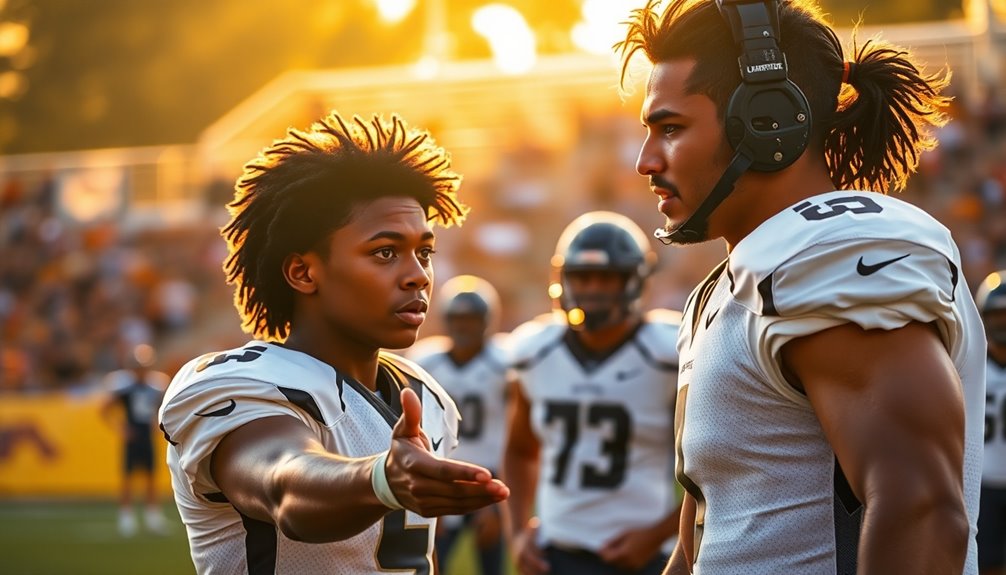
Team dynamics in sports play an essential role in achieving success, as they directly influence how well teammates communicate and collaborate.
You’ll find that understanding team roles is vital; each player contributes uniquely, enhancing overall performance. When everyone knows their position and responsibilities, it creates a more cohesive unit.
Emotional support also plays a significant part in this dynamic. Encouraging one another during tough moments fosters trust and resilience within the team.
Emotional support is crucial; uplifting teammates during challenges builds trust and fosters resilience within the team.
You can strengthen these bonds by celebrating successes and providing constructive feedback. Remember, a positive atmosphere not only boosts morale but also enhances focus and determination. Additionally, investing in defensive skills is crucial for championship aspirations, as it promotes better teamwork and communication among players.
How Skilled Players Set the Standard for Excellence

While talent alone doesn’t guarantee success, skilled players often set the standard for excellence in a team. Their performance and dedication create excellence benchmarks that teammates aim to meet.
When you witness a player pushing their limits, it ignites a fire within you and others, fostering a culture of hard work and commitment. This skillful leadership not only elevates individual performance but also unites the team, encouraging everyone to contribute their best.
You’ll find that as skilled players demonstrate resilience and determination, it motivates you to adopt those same qualities. By embodying excellence, they inspire you and your teammates to push beyond perceived limits, ultimately enhancing the entire team’s performance and camaraderie. Additionally, their commitment to team goals reinforces a culture of collective success that benefits all players.
Leading by Example: The Power of Role Models

Skilled players not only set the standard for excellence but also embody the qualities that inspire others to follow suit.
When you demonstrate role model behaviors, your teammates are more likely to mimic your commitment and attitude. Your exemplary actions, whether it’s showing up early to practice or maintaining focus during tough games, create a ripple effect that encourages others to elevate their own performance.
By leading through your actions, you foster a culture of accountability and motivation. Remember, your influence extends beyond your personal achievements; it shapes the team’s dynamic. Consistent maximum effort and dedication to improvement are key traits that can further enhance this effect.
Embrace the responsibility of being a role model, and watch how your dedication ignites a shared passion for greatness among your peers. Together, you can reach new heights.
Effective Communication: Building Trust Among Teammates
Effective communication is essential for building trust among teammates, as it fosters an environment where everyone feels valued and understood. To boost this trust, prioritize the following:
- Open Dialogue: Encourage conversations that allow everyone to voice their thoughts and concerns. This transparency strengthens relationships and promotes emotional support.
- Active Listening: Show that you value your teammates’ input by listening attentively. This creates feedback loops that improve conflict resolution and team bonding.
- Regular Team Check-Ins: Implement trust exercises and trust-building activities to maintain connection. These check-ins allow for transparent communication and guarantee everyone is on the same page. Additionally, incorporating small-sided games can enhance teamwork and communication skills, further solidifying trust among players.
Sharing Knowledge: Mentorship and Its Impact
Building trust through effective communication sets the stage for a culture of shared knowledge and mentorship within a team.
When you embrace mentorship, you reveal numerous mentorship benefits that enhance both individual and team performance. By sharing your expertise, you not only bolster your teammates’ skills but also foster a sense of belonging and support.
Embracing mentorship enhances performance and fosters belonging, creating a supportive environment for skill development.
Knowledge sharing encourages open dialogue, where players feel comfortable asking questions and seeking guidance. This collaborative environment promotes growth, allowing everyone to thrive.
As you mentor others, you’ll find that your own understanding deepens, creating a cycle of continuous improvement. Implementing inclusive mentorship programs can further strengthen these connections and enhance player development.
Ultimately, a strong mentorship culture transforms not just players but the entire team, driving collective success on and off the field.
Encouraging a Growth Mindset: Fostering Resilience
While you may encounter challenges along the way, fostering a growth mindset can transform setbacks into opportunities for resilience.
To cultivate this mindset in yourself and your teammates, focus on these key practices:
- Embrace Mistakes: View errors not as failures but as stepping stones to improvement. Learning from them strengthens resilience building.
- Set Incremental Goals: Break down larger objectives into smaller, achievable targets. Celebrate these milestones to boost motivation and reinforce a growth mindset.
- Encourage Open Dialogue: Create a safe space for sharing struggles and successes. This openness fosters collective learning and enhances team resilience. Additionally, implementing structured practice plans can provide a framework for addressing both individual and team challenges effectively.
Celebrating Team Successes: Boosting Morale and Unity
When you take the time to celebrate team successes, you not only boost morale but also strengthen the bonds that unite your group.
Recognizing achievements, big or small, is essential in fostering connections among teammates. Celebrating milestones creates a sense of shared purpose and accomplishment that motivates everyone to aim for greater heights.
It’s not just about the wins; it’s about acknowledging the hard work and dedication that went into reaching those goals. By highlighting these moments, you cultivate an environment where every member feels valued and supported.
This unity encourages collaboration and trust, making your team more resilient in the face of challenges. Teamwork and unity are vital in creating a winning formula that propels the entire group towards success.
Constructive Feedback: Helping Each Other Improve
When you give constructive feedback, focus on using positive reinforcement techniques to uplift your teammates.
It’s essential to combine encouragement with constructive critique strategies that guide improvement.
Together, you can create an environment where everyone feels supported and motivated to grow. Teamwork is essential for success in soccer, involving communication, trust, and collaboration.
Positive Reinforcement Techniques
Positive reinforcement techniques play an essential role in fostering a supportive team environment where everyone can thrive.
By implementing effective strategies, you can uplift your teammates and enhance overall performance. Consider these three encouragement techniques:
- Praise Practices: Acknowledge individual efforts with specific positive feedback, highlighting what they did well.
- Uplifting Gestures: Small acts, like a high-five after a good play, create positive support dynamics that motivate everyone.
- Motivational Reminders: Regularly affirm your teammates’ strengths and potential to build their confidence through reinforcement strategies.
Using affirmation methods like these won’t only improve morale but also create a culture of support, making the team stronger together.
Constructive Critique Strategies
While encouragement fuels a team’s spirit, constructive critique is equally essential for individual and collective growth. To help each other improve, engage in constructive conversations that focus on specific actions rather than personal traits.
Use feedback frameworks like the “sandwich method,” where you start with a positive observation, present the critique, and end with encouragement. This approach softens the blow and fosters a supportive atmosphere.
When offering feedback, be clear and concise, ensuring your teammates understand the goal is improvement, not criticism. Encourage open dialogue by inviting your teammates to share their thoughts on your feedback as well.
This not only cultivates trust but also leads to better performance and stronger team dynamics.
Creating a Positive Environment: The Role of Attitude
Creating a supportive atmosphere hinges on the attitudes we bring to our interactions. Your mindset can greatly influence your teammates, fostering an environment where everyone thrives.
Consider these three elements for an attitude adjustment:
- Embrace positivity: Your upbeat demeanor can inspire others to adopt a similar outlook.
- Offer positive reinforcement: Acknowledging your teammates’ efforts boosts their confidence and motivates them to improve.
- Practice empathy: Understanding your teammates’ struggles helps build trust and camaraderie. Embracing teamwork and resilience can further enhance the collective spirit of your team.
Overcoming Challenges Together: Strength in Unity
When you face challenges with your teammates, building trust is essential for success.
Together, you can celebrate collective victories that strengthen your bond and motivate everyone to push through tough times.
Embracing unity not only helps you overcome obstacles but also creates a sense of belonging within the team. Additionally, effective communication with teammates is crucial for creating scoring opportunities and enhancing overall team performance.
Building Trust Among Teammates
Building trust among teammates is essential for overcoming challenges together, as it fosters a sense of unity and collaboration.
To create a strong foundation of trust, consider implementing the following:
- Team rituals: Establishing consistent practices helps build shared experiences and strengthens relationships.
- Open dialogues: Encourage vulnerability sharing and active listening, allowing teammates to express concerns and ideas freely.
- Trust exercises: Engage in activities that promote empathy development and accountability partnerships, reinforcing mutual support.
Celebrating Collective Victories Together
Celebrating collective victories together not only boosts morale but also reinforces the bonds formed through shared struggles.
When you and your teammates come together for victory celebrations, you create lasting memories that fuel future successes. These moments allow you to appreciate your hard work and shared achievements, reminding everyone that individual efforts contribute to a greater cause.
Each celebration fosters unity, ensuring that challenges faced along the way become stepping stones rather than obstacles. By recognizing each other’s contributions, you build a supportive environment where everyone feels valued.
Inclusivity in Team Culture: Valuing Every Member
Inclusivity in team culture isn’t just a nice-to-have; it’s essential for fostering an environment where every member feels valued and empowered.
By prioritizing team inclusivity, you can create a space that celebrates diverse perspectives and strengthens collaborative efforts. Here’s how you can contribute:
Prioritizing team inclusivity fosters diverse perspectives and enhances collaboration, creating a thriving environment for all members.
- Valuing contributions: Acknowledge each teammate’s input, no matter how small, to foster belonging and mutual respect.
- Equal opportunities: Guarantee everyone has a chance to shine, integrating differences and encouraging shared experiences that enrich your collective identity.
- Encouraging dialogue: Promote open communication, allowing everyone to voice their ideas and concerns, which helps build trust and enhances team dynamics.
Embrace these practices, and watch your team thrive in unity and purpose.
Building Team Chemistry: The Science Behind It
Building strong team chemistry starts with trust; without it, collaboration falters.
You’ll find that effective communication strategies play an essential role in aligning your team’s goals.
When everyone shares a common purpose, the team’s potential truly shines.
Importance Of Trust
Trust acts as the foundation of effective teamwork, enabling members to collaborate seamlessly and share ideas without hesitation. When you foster trust, you create an environment where everyone feels valued and empowered.
Here are three key elements to contemplate:
- Participate in trust-building activities: Engage in exercises that promote vulnerability and openness, helping teammates to connect on a deeper level.
- Encourage transparency: Be honest about your strengths and weaknesses, which strengthens trust-based relationships and nurtures mutual respect.
- Celebrate achievements together: Recognizing each other’s contributions fosters a sense of belonging and reinforces trust within the team.
Communication Strategies Matter
Effective communication serves as the backbone of team chemistry, allowing members to connect and collaborate more meaningfully. You can enhance this connection by practicing active listening, which involves fully engaging with your teammates’ ideas and feelings. When you listen attentively, you show respect and create an environment where everyone feels valued.
Additionally, pay attention to nonverbal cues, such as body language and facial expressions. These cues often convey more than words alone. By acknowledging these signals, you’ll foster a deeper understanding among your teammates.
Encourage open dialogue by asking questions and providing feedback. Remember, effective communication isn’t just about speaking; it’s about creating a space where everyone feels comfortable sharing, leading to stronger relationships and improved performance.
Shared Goals Alignment
When team members align around shared goals, they create a powerful sense of unity that drives collaboration and boosts overall performance.
To foster this alignment, consider these goal-setting strategies:
- Define a Clear Team Vision: Guarantee everyone understands the collective purpose and direction. This clarity fosters commitment and focus.
- Set Measurable Objectives: Break down the vision into achievable milestones, allowing the team to track progress and celebrate successes.
- Encourage Open Communication: Regularly discuss goals and challenges. This transparency keeps everyone engaged and motivated, reinforcing the shared vision.
Using Goals to Inspire Team Cohesion
As you embrace the power of shared goals, you’ll find that they can serve as a unifying force for your team. Implementing effective goal setting strategies not only clarifies objectives but also boosts team motivation.
When everyone understands their role in achieving a common goal, collaboration becomes effortless. Encourage open discussions about these goals, allowing team members to contribute ideas and take ownership. This involvement fosters a sense of belonging and commitment.
Celebrate milestones together, reinforcing the bond within the team. Remember, it’s not just about achieving targets but also about building trust and camaraderie.
The Role of Emotional Intelligence in Leadership
While many attributes define a successful leader, emotional intelligence stands out as an essential component that can greatly impact team dynamics.
By honing your emotional awareness, you can create an environment where everyone feels valued and understood.
Here are three key aspects of empathetic leadership:
- Active Listening: Pay attention to your teammates’ concerns and emotions, showing that you care.
- Self-Regulation: Manage your own emotions effectively, setting a positive example for others.
- Conflict Resolution: Address issues with empathy, fostering trust and teamwork.
Leaving a Legacy: The Long-Term Impact of Skilled Players
As a skilled player, you have the power to inspire future generations and shape the culture of your team.
Your actions and mindset can foster a sense of unity that lasts well beyond your time on the field.
When you leave a legacy of excellence, you not only elevate your teammates but also create a foundation for lasting success.
Inspiring Future Generations
How can skilled players shape the future of sports and inspire the next generation? By actively engaging in their communities, you can leave a lasting impact.
Here are three ways to do it:
- Mentorship Programs: Create spaces where you guide young athletes, sharing your skills and experiences to foster their growth.
- Sports Clinics: Organize events that focus on skill development, allowing youth engagement while showcasing your passion for the sport.
- Inspirational Stories: Share your journey and the challenges you’ve overcome; these narratives can motivate future leaders to pursue their dreams.
Through community outreach and legacy building, you can ignite a spark in aspiring athletes, ensuring a brighter future for the sports you love.
Building Team Cohesion
Great players not only inspire the next generation but also play a pivotal role in fostering team cohesion.
By engaging in team bonding activities, you create strong connections among teammates. When you lead trust exercises, you reinforce the importance of communication and reliance on one another. This not only builds relationships on the field but also translates to off-field interactions.
Your commitment to these activities sets a standard that others will follow, making the entire team more united and resilient. The legacy you leave isn’t just about individual skill; it’s about cultivating an environment where everyone feels valued and supported.
In doing so, you guarantee that your impact lasts well beyond your playing days, shaping a culture of collaboration and trust.
Conclusion
As you step onto the field, the energy shifts. You feel it—the unspoken bond among teammates, the weight of expectations resting on your shoulders. By sharing your skills and insights, you’re not just playing; you’re igniting a spark that transforms the whole team. The moment you lead by example, trust builds, and unity flourishes. What legacy will you leave behind? The answer lies in the hearts of those you inspire, waiting to unfold in the game’s final moments.

